
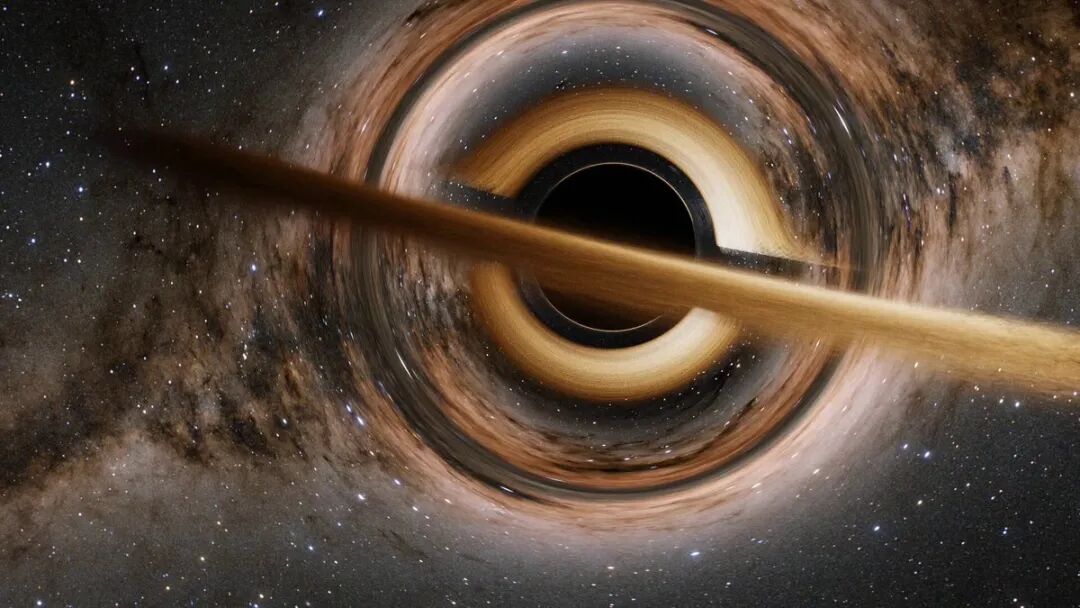
Black Hole Ray-tracing Simulator Built Autonomously in Three.js
Curated 3D Web Creative Coding project by @camperaigg • 2026-11-08
3D Graphics & Rendering Pipeline
Optimized WebGL 2.0 graphics pipeline with realistic physical light calculations, HDR environment mapping, and anti-aliased geometry rendering.
Physics & Dynamic Simulation
Procedural mathematical vertex displacement, interactive particle animations, and procedural geometry generated at runtime.
Real-time Performance & Polish
60+ FPS browser execution with instanced rendering, memory-managed geometry buffers, and seamless responsive viewport scaling across desktop and mobile devices.
Aesthetic & Creation Overview
Black hole ray-tracing simulator built autonomously in Three.js via natural language agent prompts, computing over 30 billion light rays in real time with relativistic distortion.
Technical Tags & Categories
Developer Architecture & AI Prompt Engineering Guide
To study or reproduce this 3D web experience with modern AI coding assistants (Claude Code, Cursor, Codex):
# Recommended AI Prompt Template:
"Create an interactive Three.js 3D web experience based on 'Black Hole Ray-tracing Simulator Built Autonomously in Three.js'. Implement an antialiased WebGLRenderer with tone mapping, an OrbitControls camera with smooth damping, dynamic lighting with soft shadow mapping, and responsive resize handling. Optimize with InstancedMesh and clean render loops."
- DevTools Shader & Draw Call Inspection: Press F12 on the demo page to inspect WebGL draw calls, shader programs, and buffer allocations.
- Creator Devlogs: Follow @camperaigg on X for ongoing 3D graphics updates, procedural workflows, and code snippets.
Related 3D Showcases
Explore more interactive Three.js experiments, WebGL shaders, and creative coding
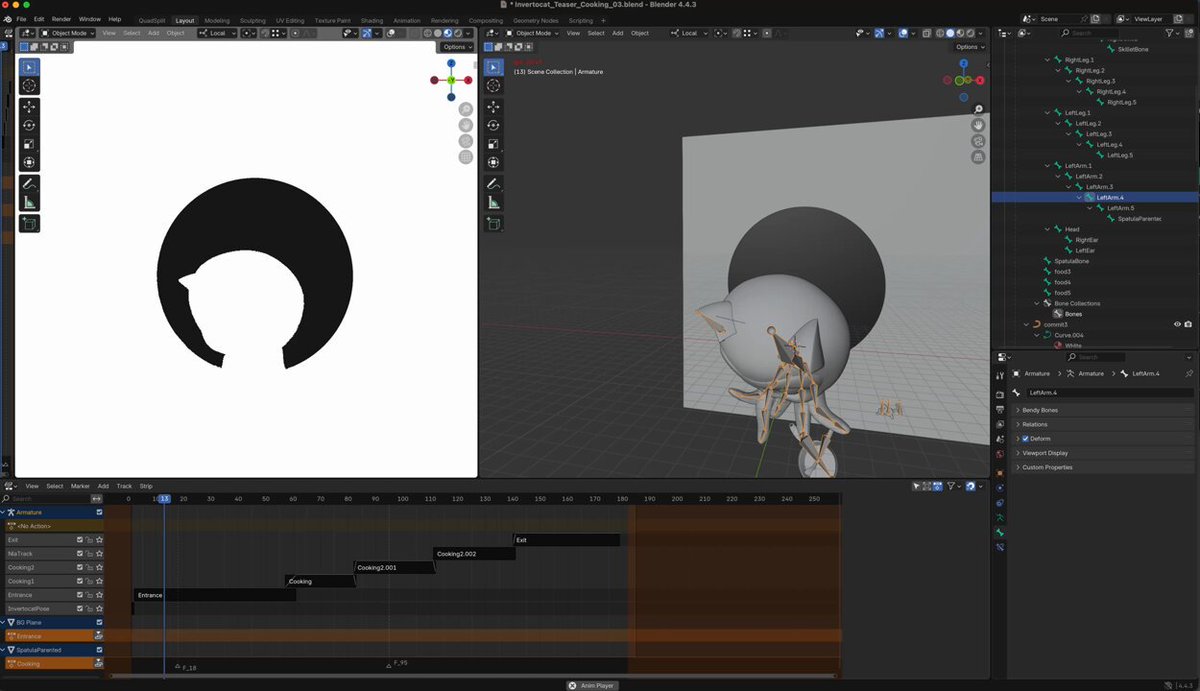
GitHub Copilot Octocat 3D Model & Animation in Blender
In the age of AI slop, some of us are still making things by hand, I promise Octocat for the new GitHub Copilot App was modeled, rigged, and animated in Blender...
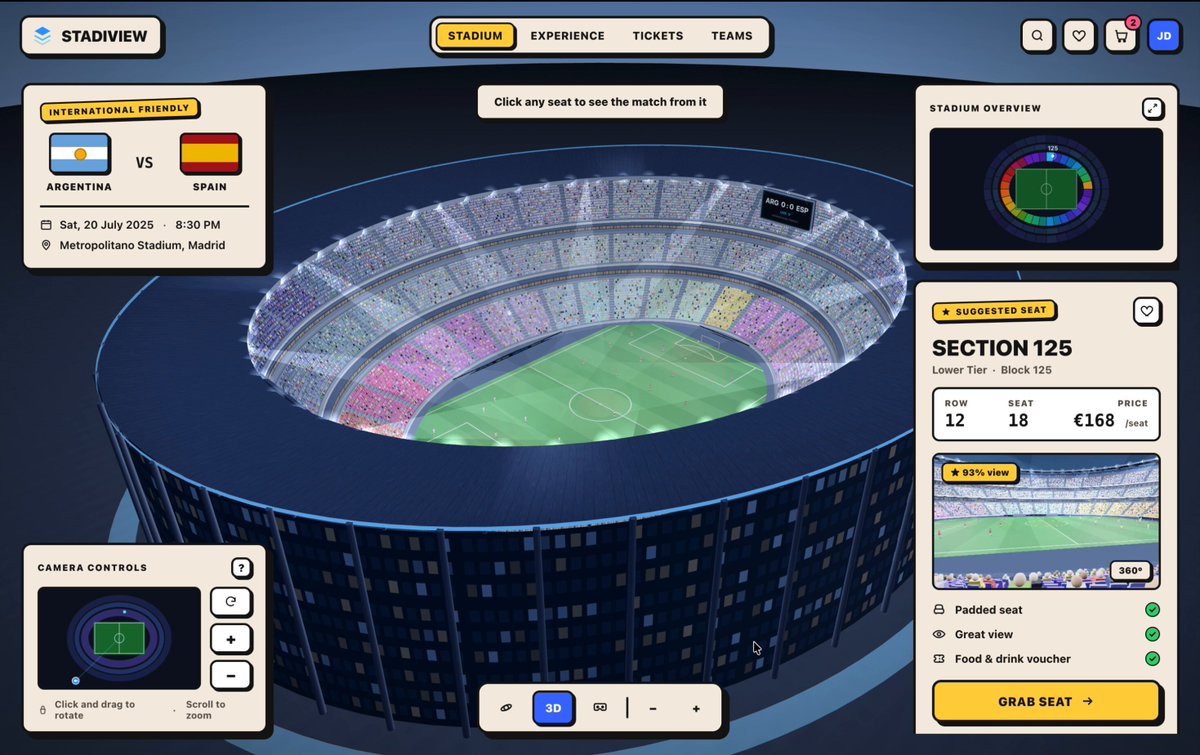
Why Do We Still Buy Stadium Tickets Without 3D Experience
Why do we still buy stadium tickets without ever seeing what the view from the seat actually looks like? So I prototyped an idea. A 3D seat view experience for a football stadium built with Fable 5 + @threejs , where you can preview exactly what you'll see from your seat
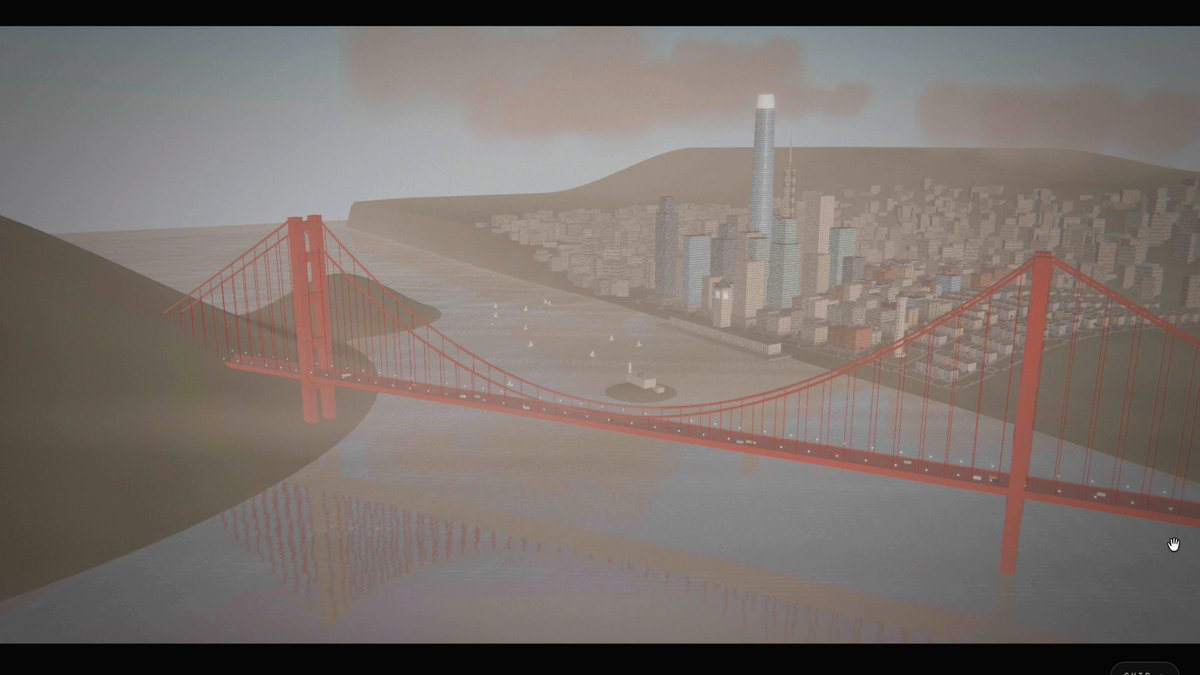
San Francisco Golden Gate Bridge 3D Scene in Three.js
I've joined @AnthropicAI ! I'll be working on Claude Code and making it better for developers who use it. Here's a little Fable & Three.js

Procedural 3D Train Simulation in Three.js
GPT-6 Astra + @threejs is insane. We are way beyond static models. We are engineering living worlds in code now. There are no "3D model files" in this demo. Both trains are generated at runtime from Typescript/Three.js code using dimensions, profiles, and geometry functions.