
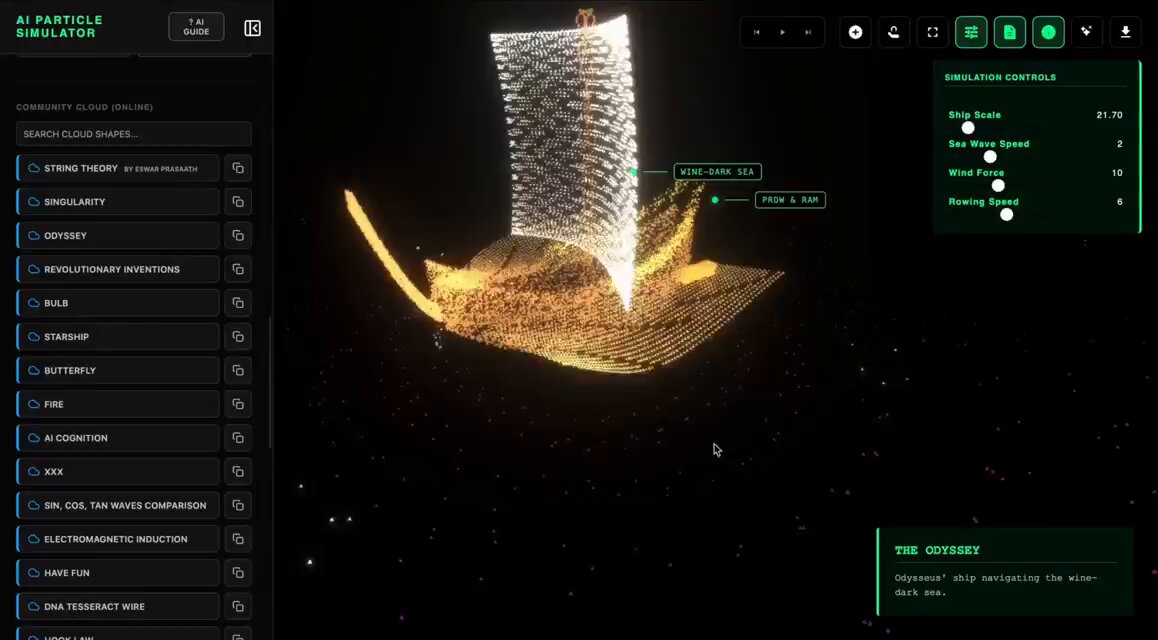
Breaking the Laws of Physics
Curated 3D Web Creative Coding project by @MakeMoneyTrain • 2026-05-03
3D Graphics & Rendering Pipeline
Optimized WebGL 2.0 graphics pipeline with realistic physical light calculations, HDR environment mapping, and anti-aliased geometry rendering.
Physics & Dynamic Simulation
Interactive real-time physics engine integration featuring collision detection, rigid body kinematics, and smooth motion damping.
Real-time Performance & Polish
60+ FPS browser execution with instanced rendering, memory-managed geometry buffers, and seamless responsive viewport scaling across desktop and mobile devices.
Aesthetic & Creation Overview
Breaking the Laws of Physics
Hey, 3D enthusiasts . Ever felt like mastering particle physics was a rite of passage you didn’t sign up for? Well, buckle up, because the game is changing fast! (Video below)
Introducing a groundbreaking tool that turns your plain English
Technical Tags & Categories
Developer Architecture & AI Prompt Engineering Guide
To study or reproduce this 3D web experience with modern AI coding assistants (Claude Code, Cursor, Codex):
# Recommended AI Prompt Template:
"Create an interactive Three.js 3D web experience based on 'Breaking the Laws of Physics'. Implement an antialiased WebGLRenderer with tone mapping, an OrbitControls camera with smooth damping, dynamic lighting with soft shadow mapping, and responsive resize handling. Optimize with InstancedMesh and clean render loops."
- DevTools Shader & Draw Call Inspection: Press F12 on the demo page to inspect WebGL draw calls, shader programs, and buffer allocations.
- Creator Devlogs: Follow @MakeMoneyTrain on X for ongoing 3D graphics updates, procedural workflows, and code snippets.
Related 3D Showcases
Explore more interactive Three.js experiments, WebGL shaders, and creative coding
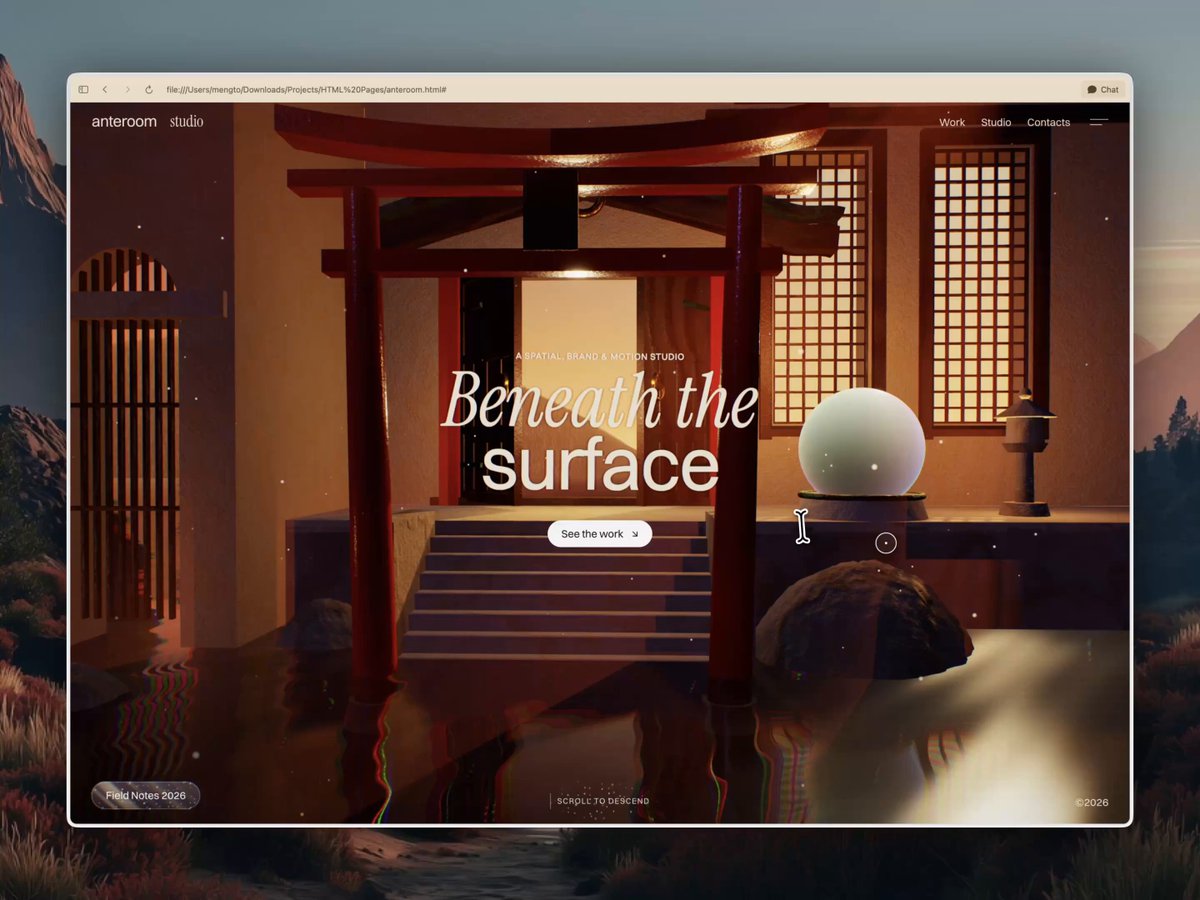
Insane What You Can Create with Three.js Nowadays
Insane what you can create with three.js nowadays. I made a game-quality 3D experience in the browser with water ripples, smoke effects, a 3D paper menu, underwater UI, and a peeling footer. The whole thing is pure code and only 183 KB. Seriously, no loading screen needed. I
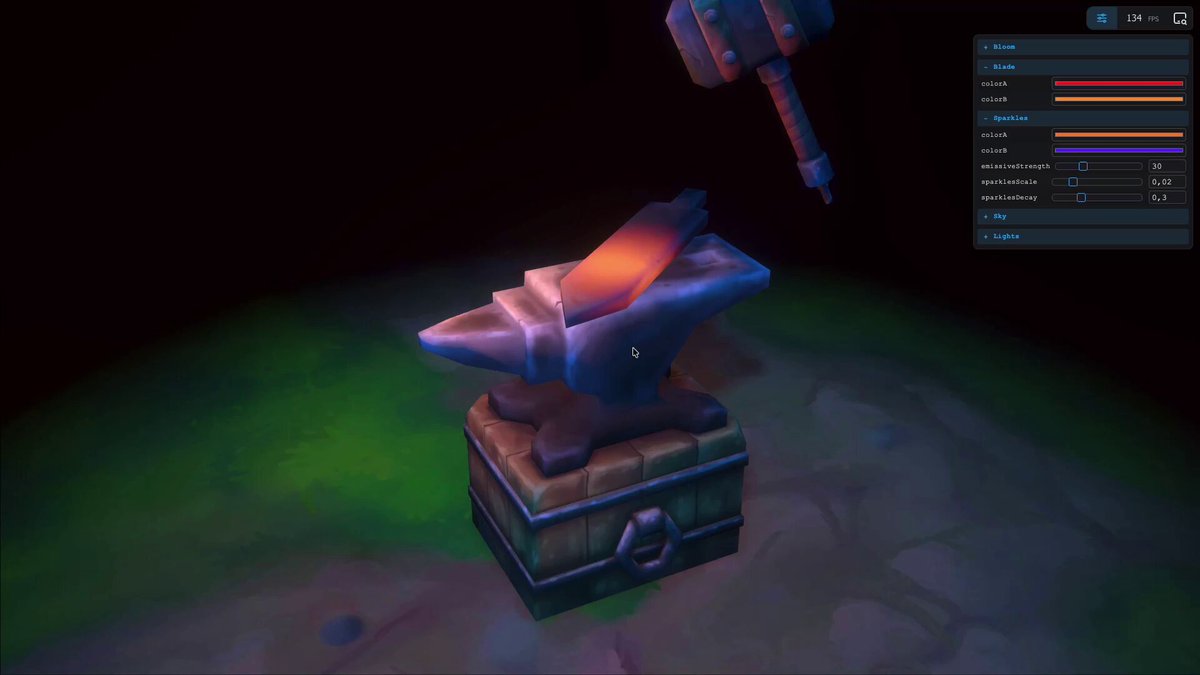
I Like How this One Turned Out. in 3D
I like how this one turned out. - A little bit of particles with compute and simple physics. - A little bit of emissive on the blade. - And some classic #threejs tricks. Now onto the writing.
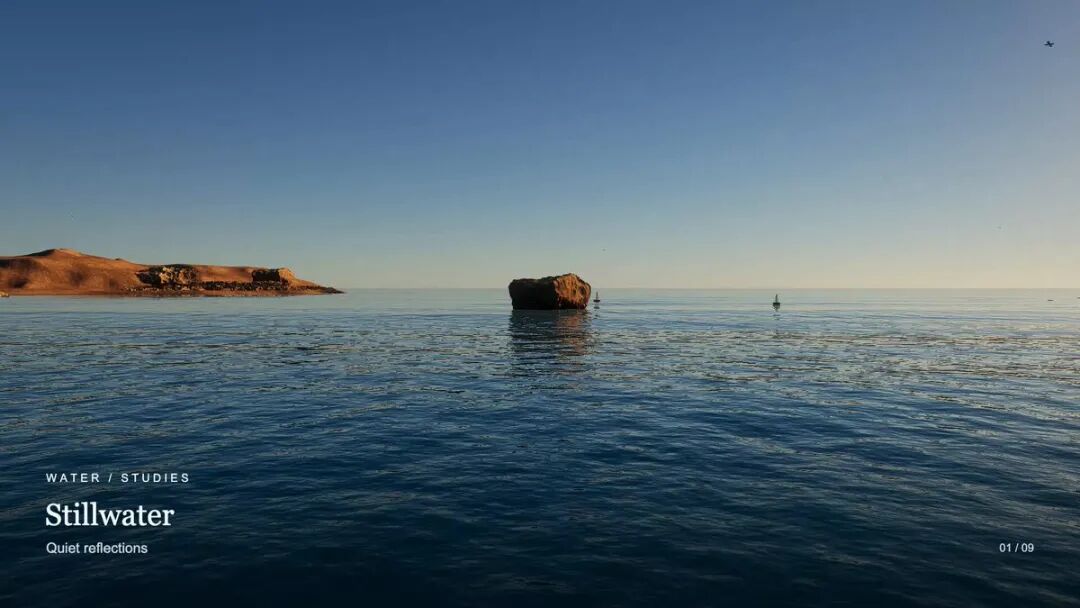
Veteran Graphics Engineer Mark Lundin Presents a Spectral
Veteran graphics engineer Mark Lundin presents a Spectral Water Shader developed in PlayCanvas. Simulating optical refraction, chromatic dispersion splitting, and animated submerged caustic patterns, the shader reproduces hyper-realistic, transparent aquatic ripples. A masterwork in physical water rendering that showcases PlayCanvas's high-end shader capabilities.
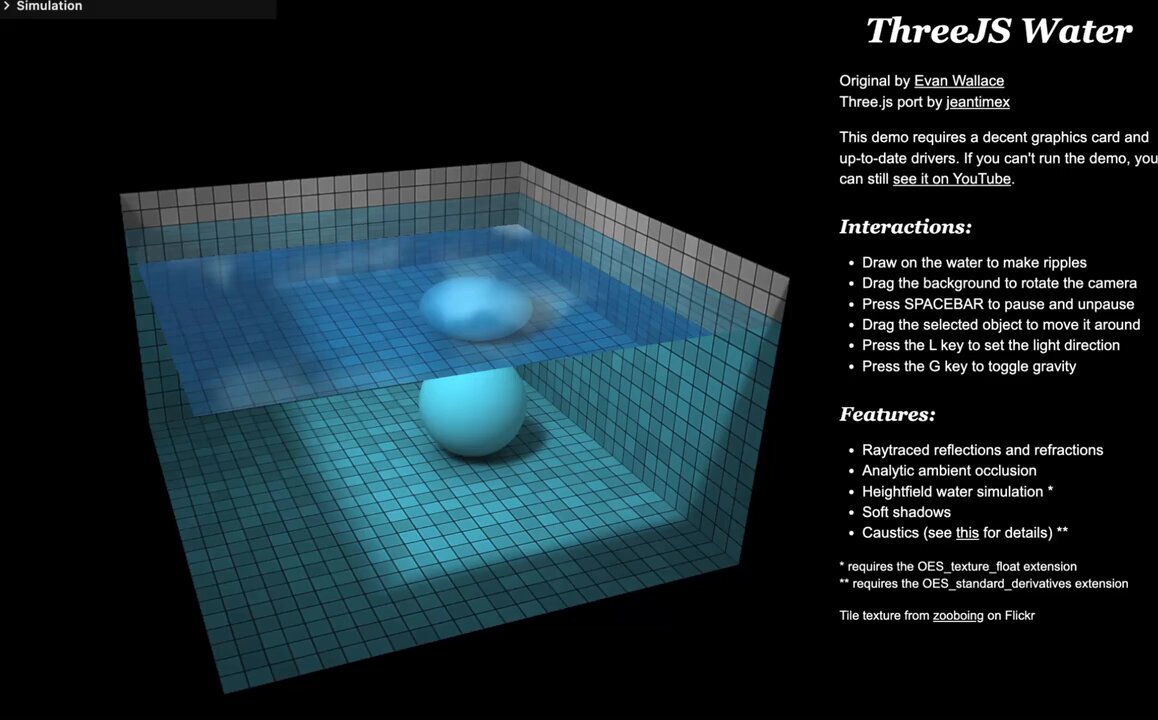
Ported Evan Wallace's WebGL Water
Ported Evan Wallace's WebGL Water to @threejs , and this allows me to easily play the caustics with different 3D objects, e.g., a tofu. Next I'm going to add different shapes and a 3D duck :) Anyhow, Three.js handles the scene management, GPU resources, and standard rendering