
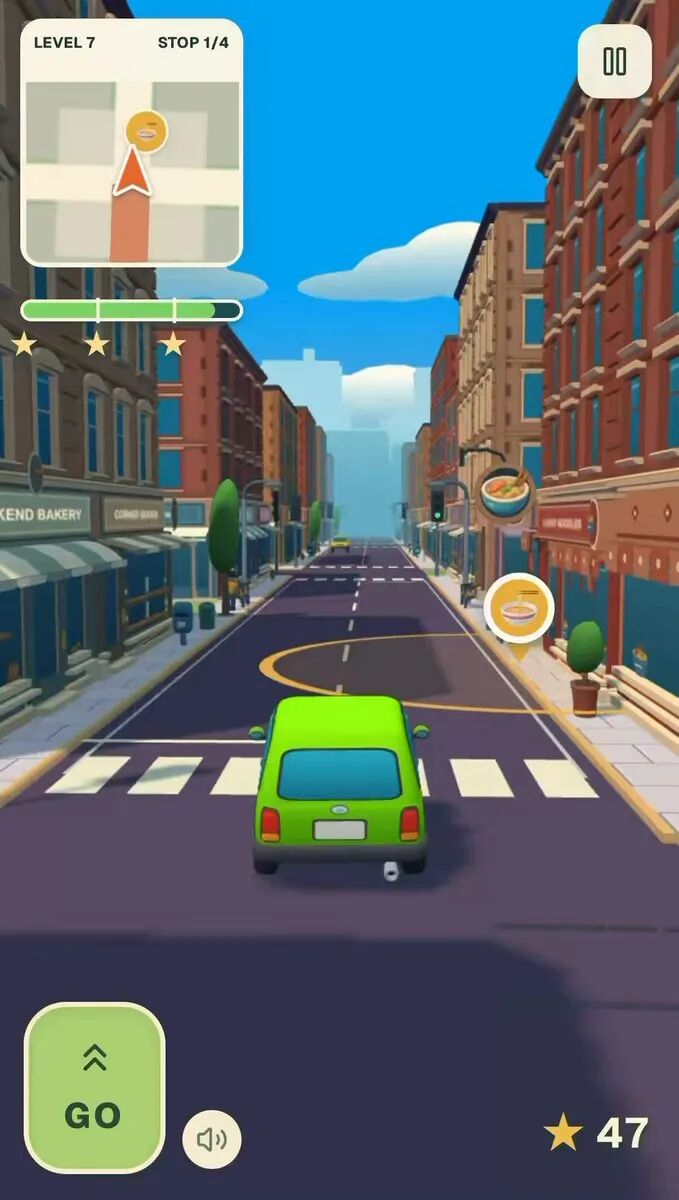
Minimax H3 Physics, and Three.js to Construct
Curated 3D Web Creative Coding project by @adamlyttleapps • 2026-09-09
3D Graphics & Rendering Pipeline
Optimized WebGL 2.0 graphics pipeline with realistic physical light calculations, HDR environment mapping, and anti-aliased geometry rendering.
Physics & Dynamic Simulation
Interactive real-time physics engine integration featuring collision detection, rigid body kinematics, and smooth motion damping.
Real-time Performance & Polish
60+ FPS browser execution with instanced rendering, memory-managed geometry buffers, and seamless responsive viewport scaling across desktop and mobile devices.
Aesthetic & Creation Overview
Adam combined Blender assets, MiniMax H3 physics, and Three.js to construct a lightweight open-world food delivery simulator. Players collect orders across stylized low-poly city blocks, navigate urban traffic, and deploy helper delivery drones, illustrating the viability of in-browser sandbox driving games.
Developer Architecture & AI Prompt Engineering Guide
To study or reproduce this 3D web experience with modern AI coding assistants (Claude Code, Cursor, Codex):
# Recommended AI Prompt Template:
"Create an interactive Three.js 3D web experience based on 'Minimax H3 Physics, and Three.js to Construct'. Implement an antialiased WebGLRenderer with tone mapping, an OrbitControls camera with smooth damping, dynamic lighting with soft shadow mapping, and responsive resize handling. Optimize with InstancedMesh and clean render loops."
- DevTools Shader & Draw Call Inspection: Press F12 on the demo page to inspect WebGL draw calls, shader programs, and buffer allocations.
- Creator Devlogs: Follow @adamlyttleapps on X for ongoing 3D graphics updates, procedural workflows, and code snippets.
Related 3D Showcases
Explore more interactive Three.js experiments, WebGL shaders, and creative coding
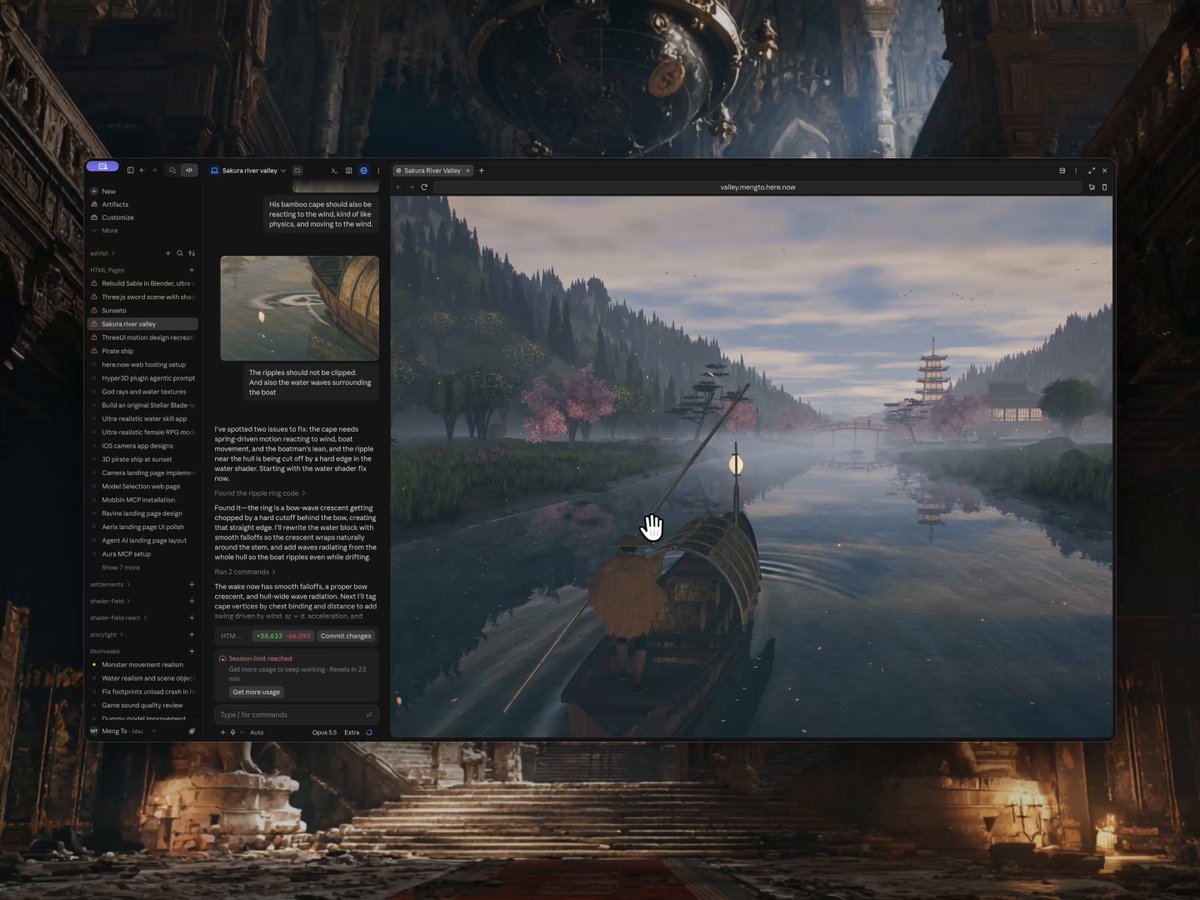
Japanese River Landscape 3D Boat Scene in Three.js
Opus 5.5 is next level. I’m genuinely impressed by the three.js details. I generated a playable boat scene through Japanese landscapes with dynamic weather, day and night lighting, realistic textures and 3D characters. Live site: https://valley.mengto.here.now The water reflections,
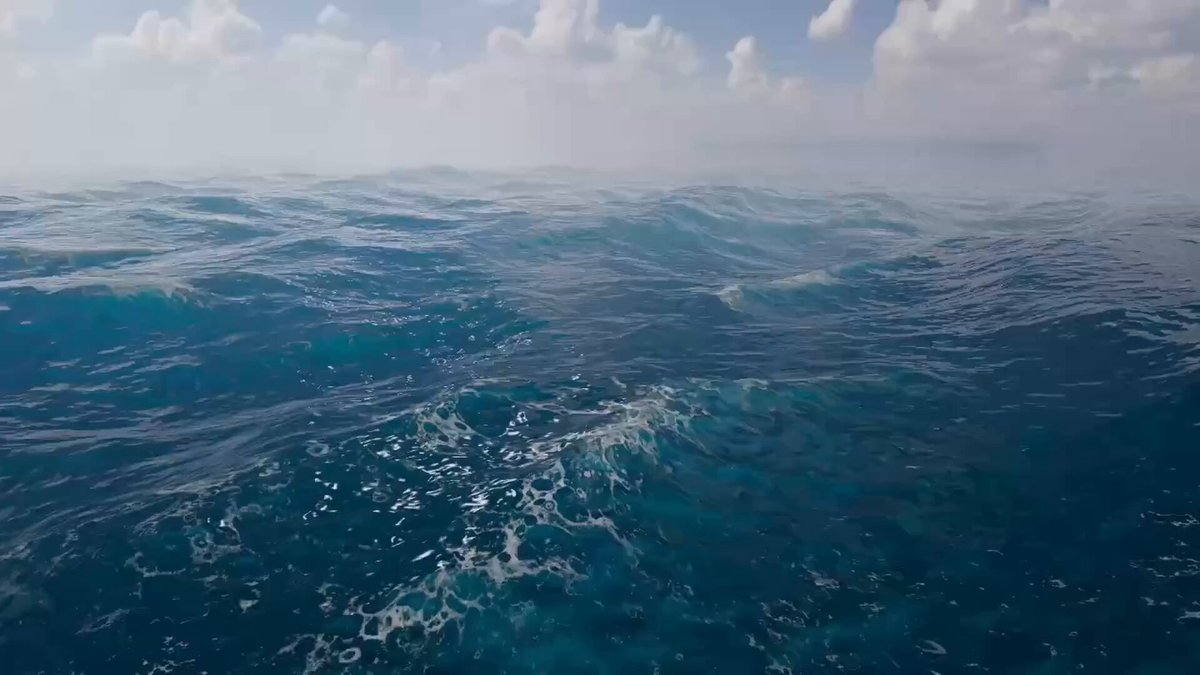
Dangreenheck - Three.js Water Pro V3 Photorealistic Ocean
Following 200+ hours of development, Dan Greenheck launched Three.js Water Pro V3. Featuring overhauled Gerstner wave simulation, physical lighting with subsurface scattering, multiplayer-ready deterministic wave evaluation, and persistent wake ripples, it delivers state-of-the-art aquatic fidelity for the web.
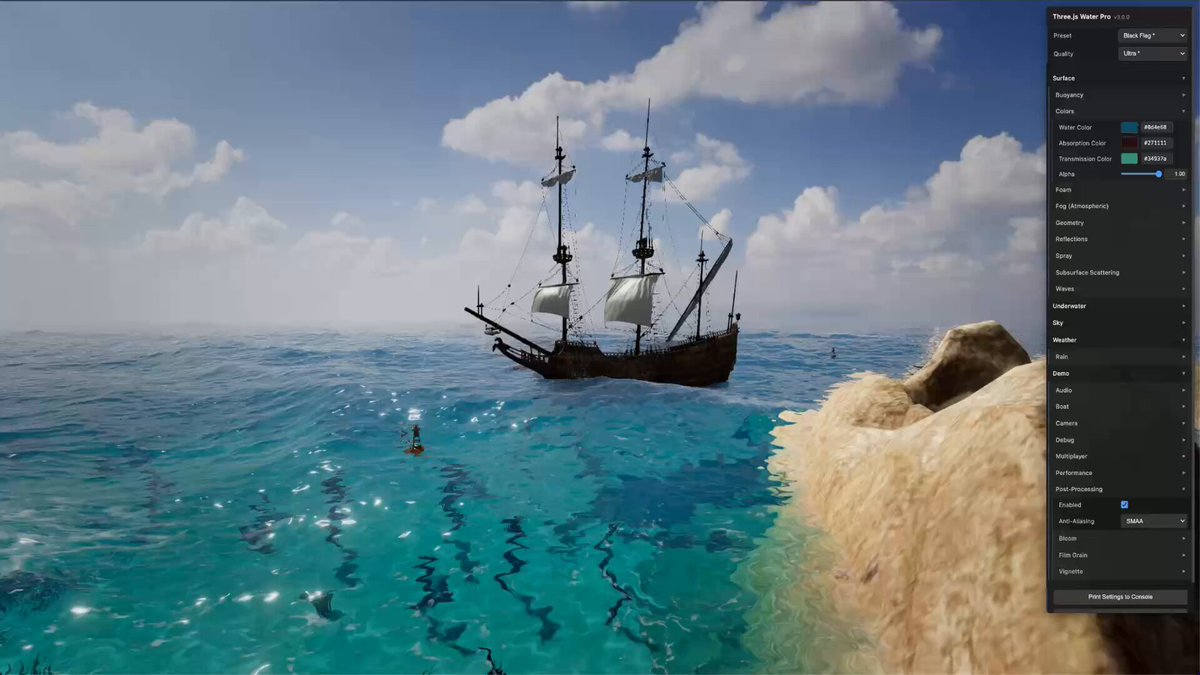
Three.js Water Pro is Making Subnautica
Three.js Water Pro is making Subnautica in the browser a real possibility. Rewrote the lighting model so light reflecting off the ocean floor is now refracted and attenuated based on real-world physics. Still can't believe what a difference it makes
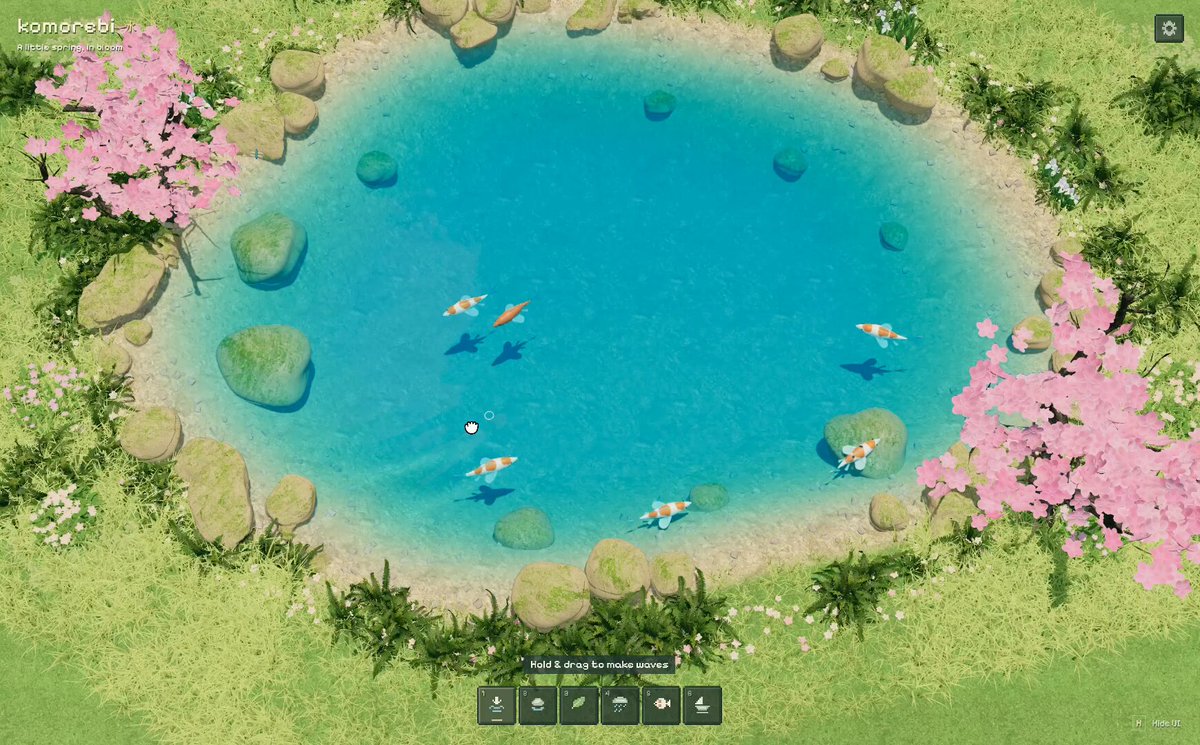
Made with Opus 5.5 + Three.js Https://water-opus.vercel.app
Made with Opus 5.5 + Three.js https://water-opus.vercel.app the water physics, the fish, blossoms... why is this soo pretty