
Playcanvas Officially Announces the Major Release of Playcanvas in 3D
Curated 3D Web Creative Coding project by @playcanvas • 2026-10-01
3D Graphics & Rendering Pipeline
Optimized WebGL 2.0 graphics pipeline with realistic physical light calculations, HDR environment mapping, and anti-aliased geometry rendering.
Physics & Dynamic Simulation
Interactive real-time physics engine integration featuring collision detection, rigid body kinematics, and smooth motion damping.
Real-time Performance & Polish
60+ FPS browser execution with instanced rendering, memory-managed geometry buffers, and seamless responsive viewport scaling across desktop and mobile devices.
Aesthetic & Creation Overview
PlayCanvas officially announces the major release of PlayCanvas Engine 2.23.0, featuring a heavily rearchitected rendering core that boosts web runtime performance by up to 3.8x. Highlights include a cutting-edge nearest-first Gaussian splatting streaming loader, adaptive bloom threshold tuning, and a complete suite of next-gen UI interaction boilerplate components—all installable via npm with a single command. With massive throughput gains and progressive splat streaming, it establishes a rock-solid engineering foundation for instant-load, planetary-scale Web 3D environments.
Developer Architecture & AI Prompt Engineering Guide
To study or reproduce this 3D web experience with modern AI coding assistants (Claude Code, Cursor, Codex):
# Recommended AI Prompt Template:
"Create an interactive Three.js 3D web experience based on 'Playcanvas Officially Announces the Major Release of Playcanvas in 3D'. Implement an antialiased WebGLRenderer with tone mapping, an OrbitControls camera with smooth damping, dynamic lighting with soft shadow mapping, and responsive resize handling. Optimize with InstancedMesh and clean render loops."
- DevTools Shader & Draw Call Inspection: Press F12 on the demo page to inspect WebGL draw calls, shader programs, and buffer allocations.
- Open Source Repository Study: Review the GitHub repository for scene graph orchestration, lighting setup, and custom GLSL vertex/fragment shaders.
- Creator Devlogs: Follow @playcanvas on X for ongoing 3D graphics updates, procedural workflows, and code snippets.
Related 3D Showcases
Explore more interactive Three.js experiments, WebGL shaders, and creative coding
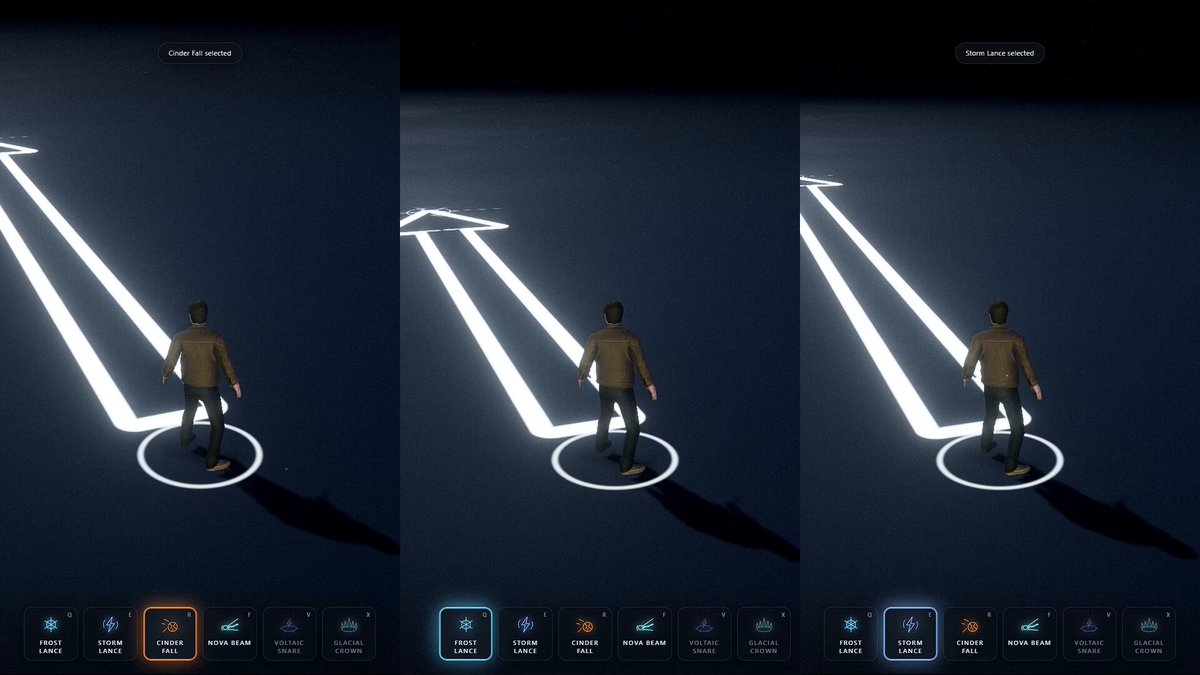
I've Built a New Opensource Elemental Sandbox, VFX in 3D
I've built a new opensource Elemental Sandbox, VFX playground built with @threejs . it contains 6 fully custamizable abilities. Everything you see is generated: no textures, no sprite sheets, no baked meshes. hand-written GLSL, GPU-simulated instanced particles, World position
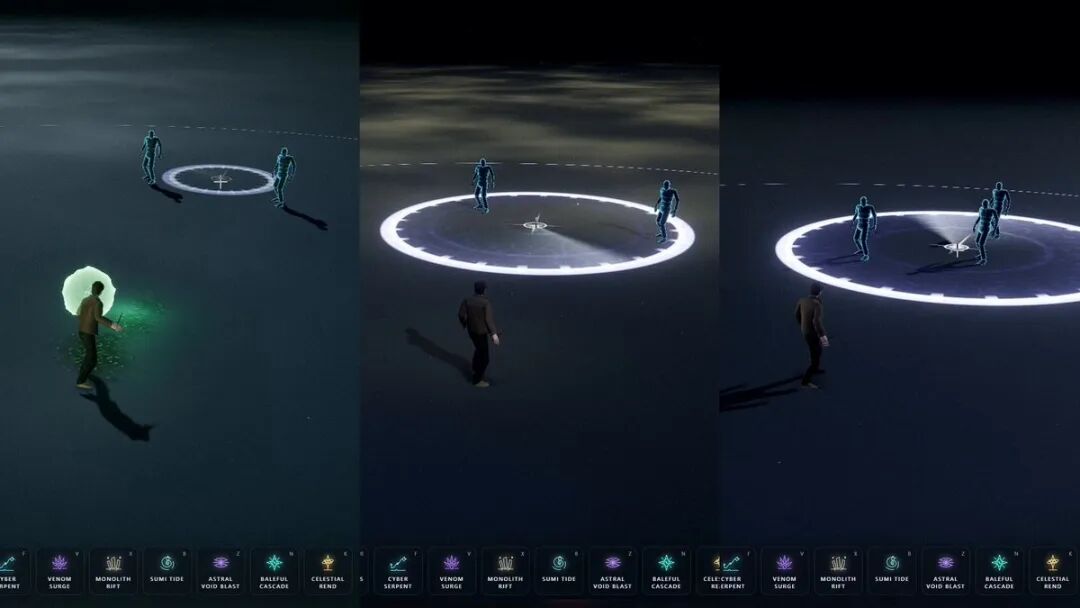
Open-source 3D Particle VFX Sandbox Named Elemental Sandbox
An open-source 3D particle VFX sandbox named Elemental Sandbox, built on Three.js to preview and tune ten complex magical ability shaders in real time. Featuring interactive parameter controls for dissipation, turbulence, and bloom, it serves as a premier playground for game-quality browser visual effects.

Ember Flow. #threejs
Ember flow. #threejs A little bit of evening exploring Curl-noise in WebGPU & TSL. Live: https://dasprinzip.com/tinker/day40/ Get the code here: https://github.com/prinzipiell/tsl #indiedev #gamedev #creativecoding #shaders #wgsl #webgpu #glsl #webgl #3d #tsl
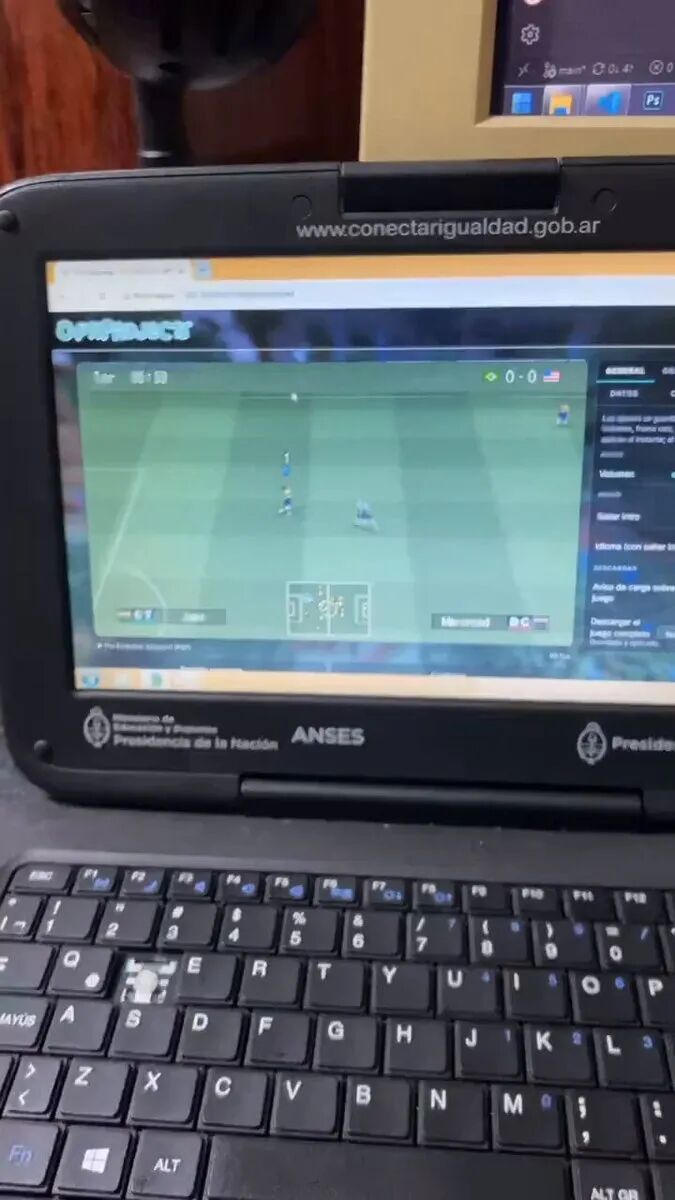
Optijuegos - Interactive 3D GitHub Showcase
Interactive 3D web experience and WebGL creative coding demonstration by @optijuegos.