
Felix Martinez reinterpreted Hanenbow Electroplankton in Three.js
By @Sirokos • Curated • 22 likes on X
 Open Live Demo ↗
Felix Martinez reinterpreted Hanenbow Electroplankton in Three.js, simulating interactive membrane physics and generative audio collisions in real time.
More from @Sirokos
Other projects by Felix Martinez
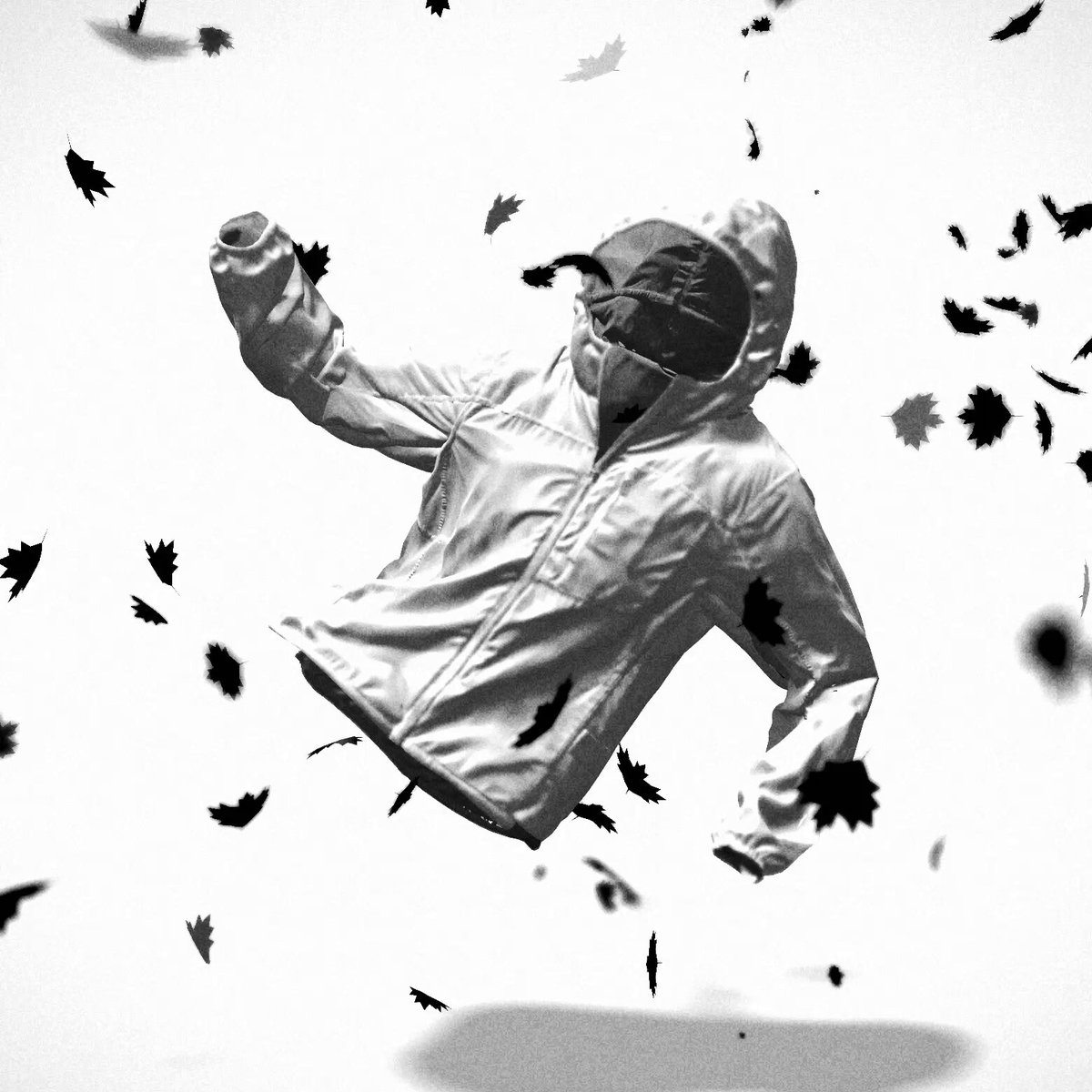
More Three.js Physics Examples
Projects curated around the same time in this topic
 33 Likes
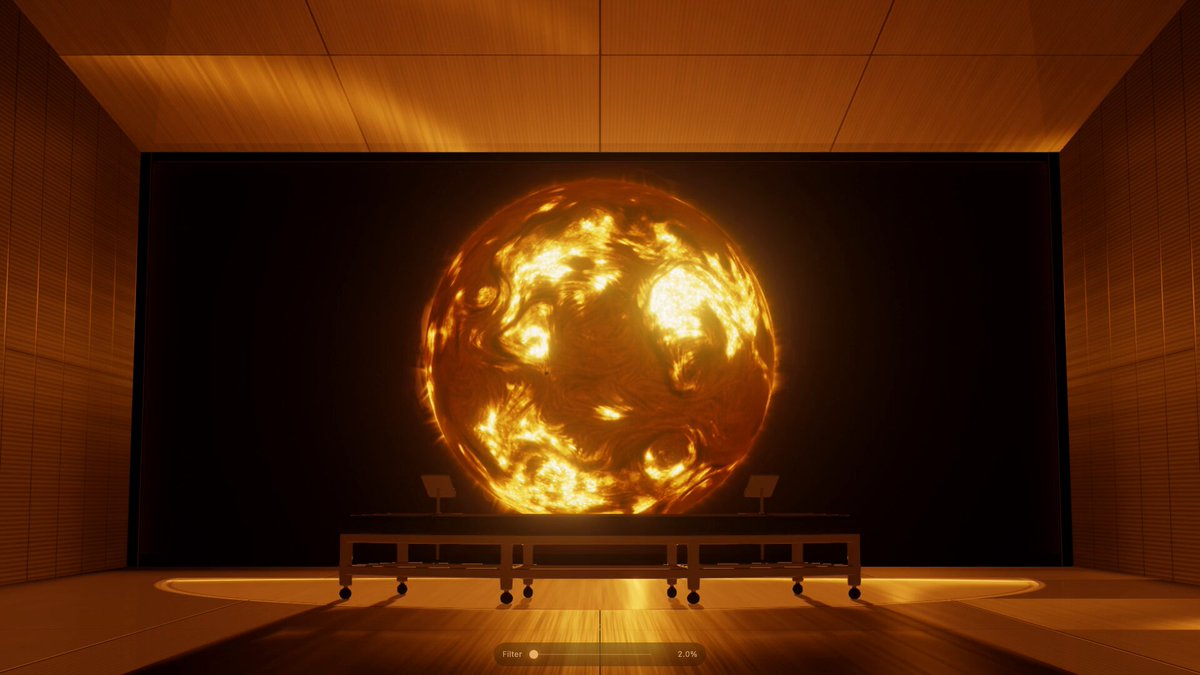
Alex recreated the iconic golden observation room
Alex recreated the iconic golden observation room from Sunshine in Three.js, capturing intense solar flares and atmospheric sci-fi tension.
 502 Likes
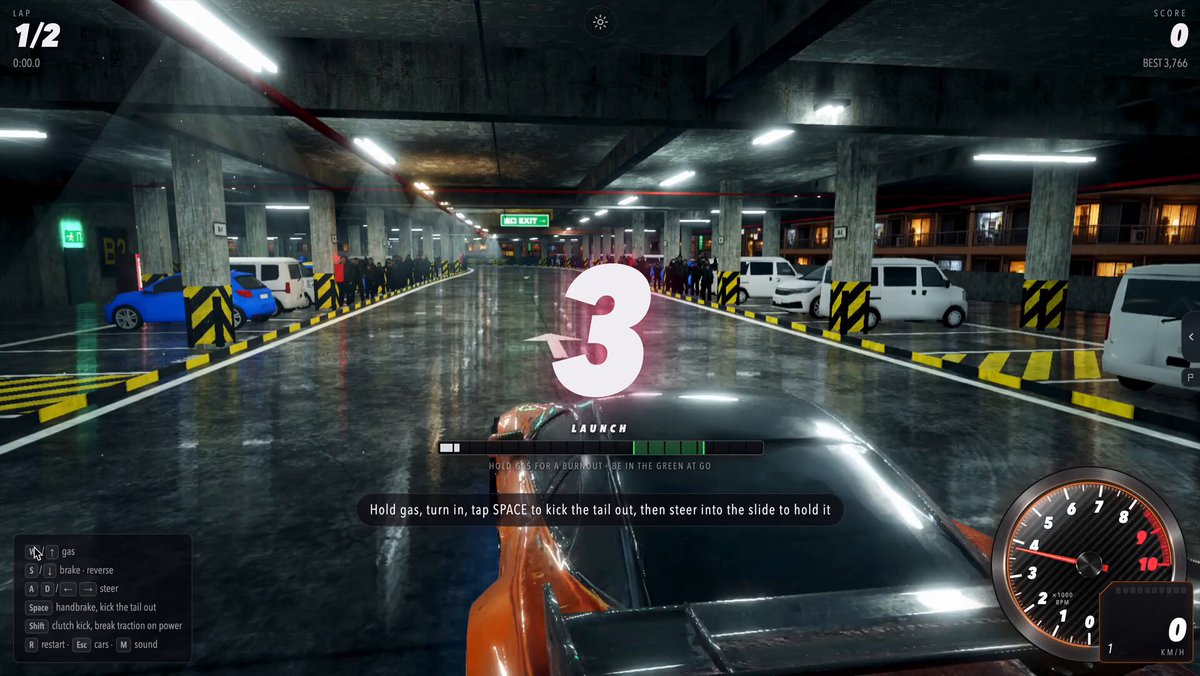
Tokyo Drift, a one-shot drift game made with Fable 5.2
Someone one-shotted the Tokyo Drift parking garage scene with Claude Fable 5.2, Mindblown shared: two laps of a Tokyo garage and its spiral ramp in a Mazda RX-7, scored by sliding. It runs on real drift physics in Three.js.
 93 Likes
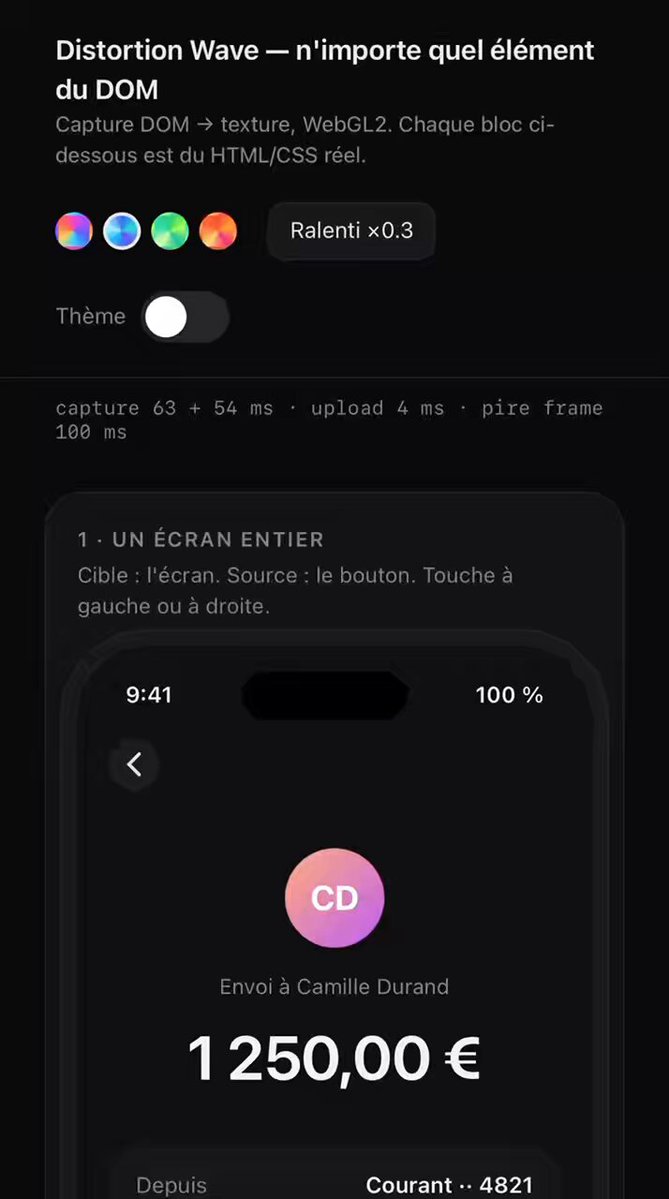
Luky open-sources a GPU-accelerated distortion wave wrapper for React
Luky open-sources a GPU-accelerated distortion wave wrapper for React, bringing fluid interactive liquid effects to any HTML element.
 297 Likes
Lanternfall: Isometric Action Dungeon Crawler in Three.js
Three.js official showcase of Lanternfall, an isometric action dungeon crawler with real-time dynamic lighting and fluid combat.
 1,405 Likes
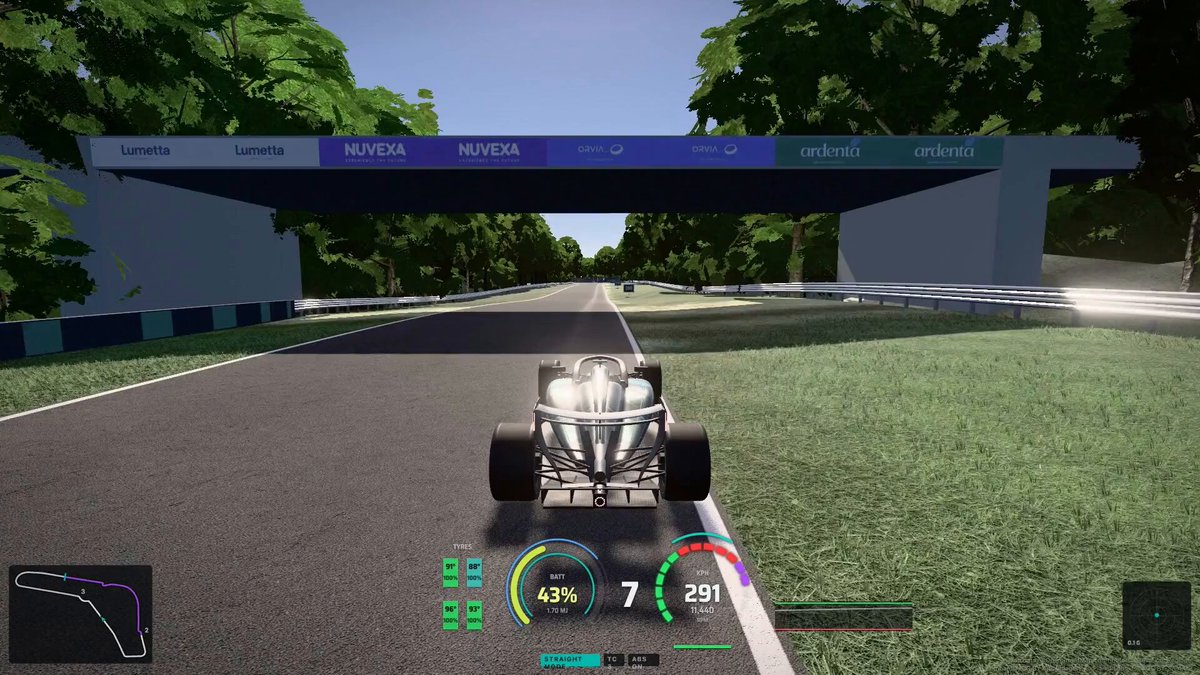
Dimi's FormulaZero, a realistic F1-style racing game on the web
FormulaZero is a hybrid-era race car game by Dimi, a former Formula 1 engineer, with real physics, energy strategy and a global time-trial leaderboard. It is free in the browser with no download; his best lap is 1:30.743.
 7 Likes
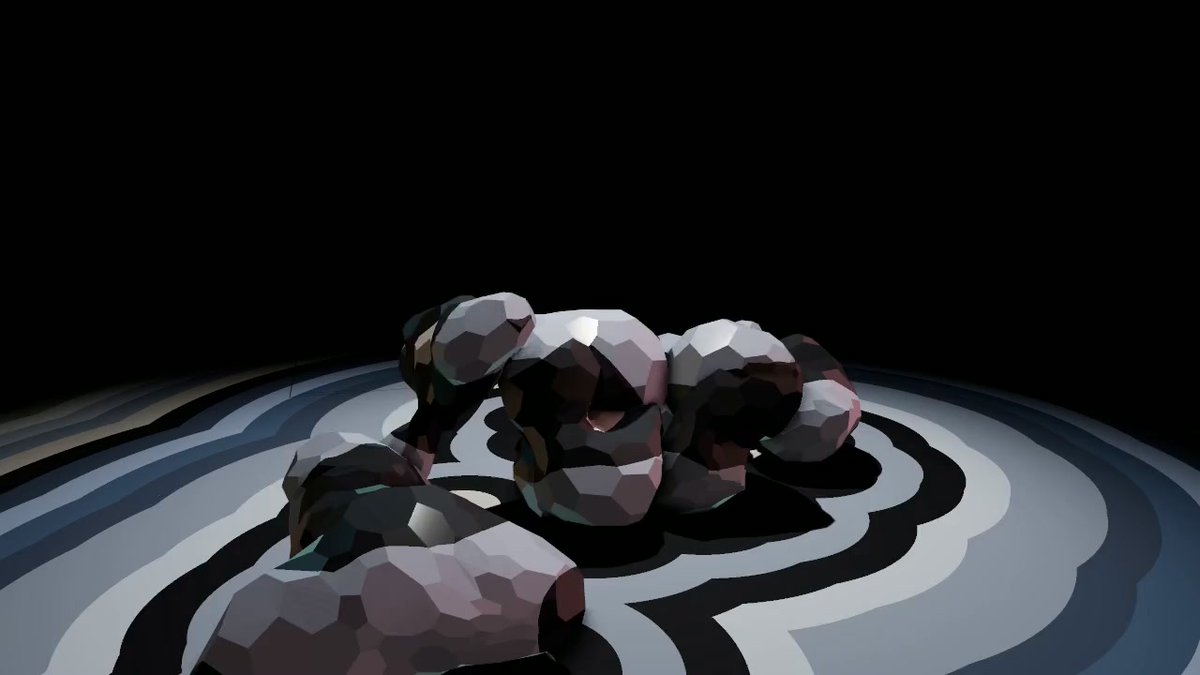
An audiovisual CSG study synced to Strudel live-coded music
Avant-garde audiovisual study linking constructive solid geometry (CSG) booleans and 3D convex hull physics with Strudel algorithmic live-coding music, synchronizing mechanical expansions and collisions directly to polyrhythmic beats. 💡 **Quick Take:** CSG boolean sculpting, convex hull physics, and live algorithmic music converge in a pioneering fusion of generative 3D geometry and interactive sound.
 3 Likes
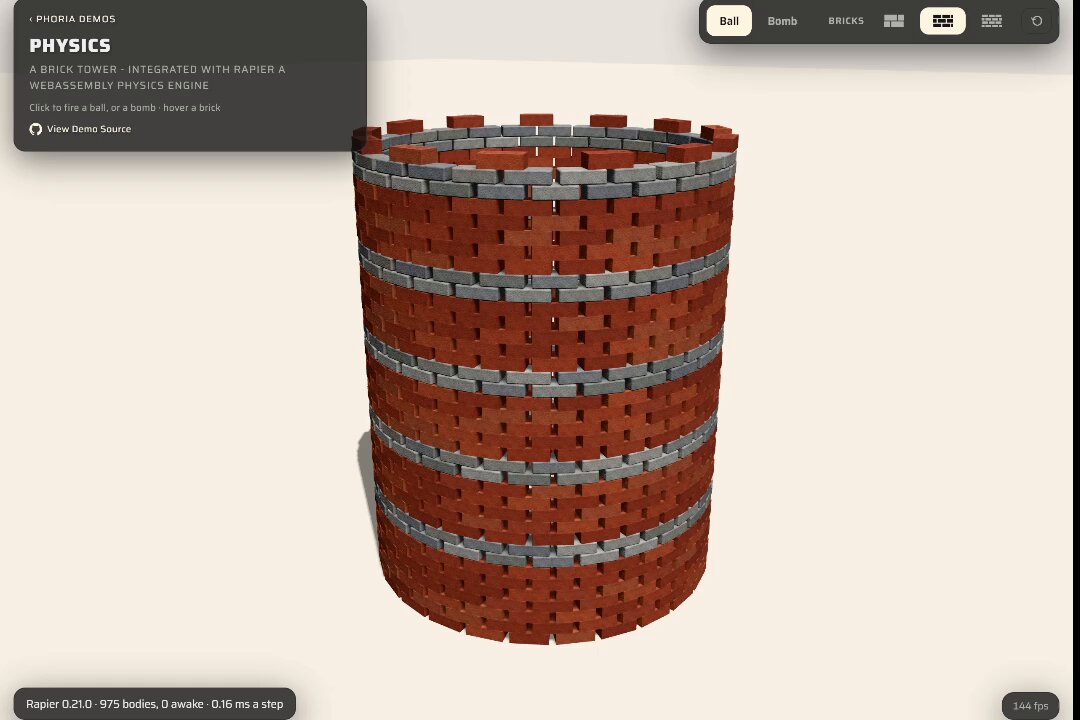
Kevin Roast pairs the Phoria 2 renderer with Rapier physics
Veteran JavaScript 3D renderer Phoria 2 integrated with the high-performance WebAssembly rigid-body physics engine Rapier by Kevin Roast. The demo retains zero-dependency software canvas rendering while delivering precise polyhedral collisions and gravitational stacking. 💡 **Quick Take:** Lightweight retro 3D engine meets modern WASM Rapier physics: an elegant marriage of minimalist architecture and blisteringly fast rigid-body collision solvers.
 11 Likes
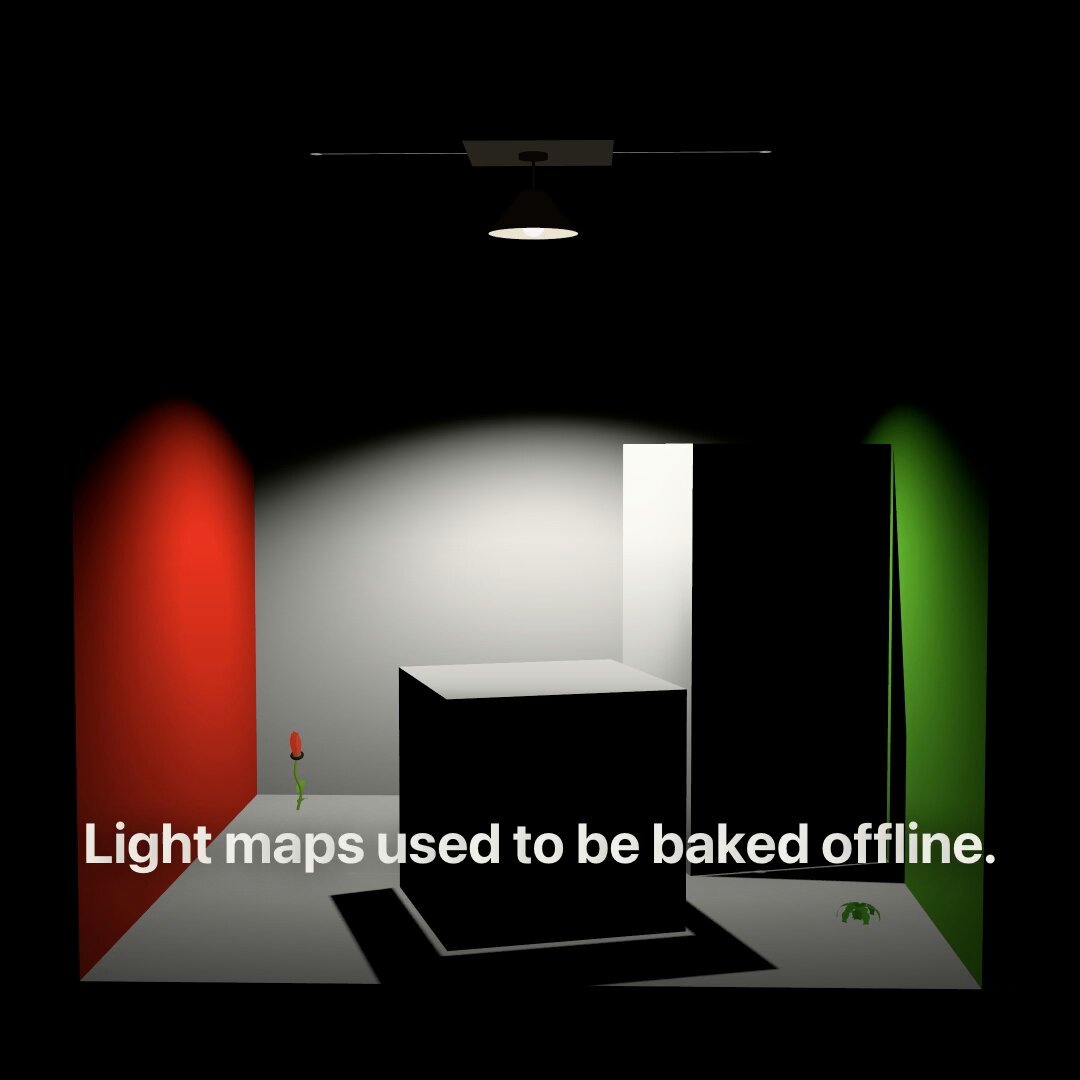
Lightmaps on the web usually meant an offline Blender bake
A real-time physics game demo powered by the latest LightMapper and UV unwrapping capabilities in Three.js r187. When players reposition walls or obstacles in the 3D scene, global illumination rebakes on mobile devices in just 0.8 seconds, eliminating traditional offline baking workflows. 💡 **Highlight:** A masterclass in Three.js r187 lightmapping features, democratizing heavy global illumination computations and unlocking dynamic interactive lighting for the mobile web.
Related Three.js Examples
More projects that share this one's topics
 21 Likes
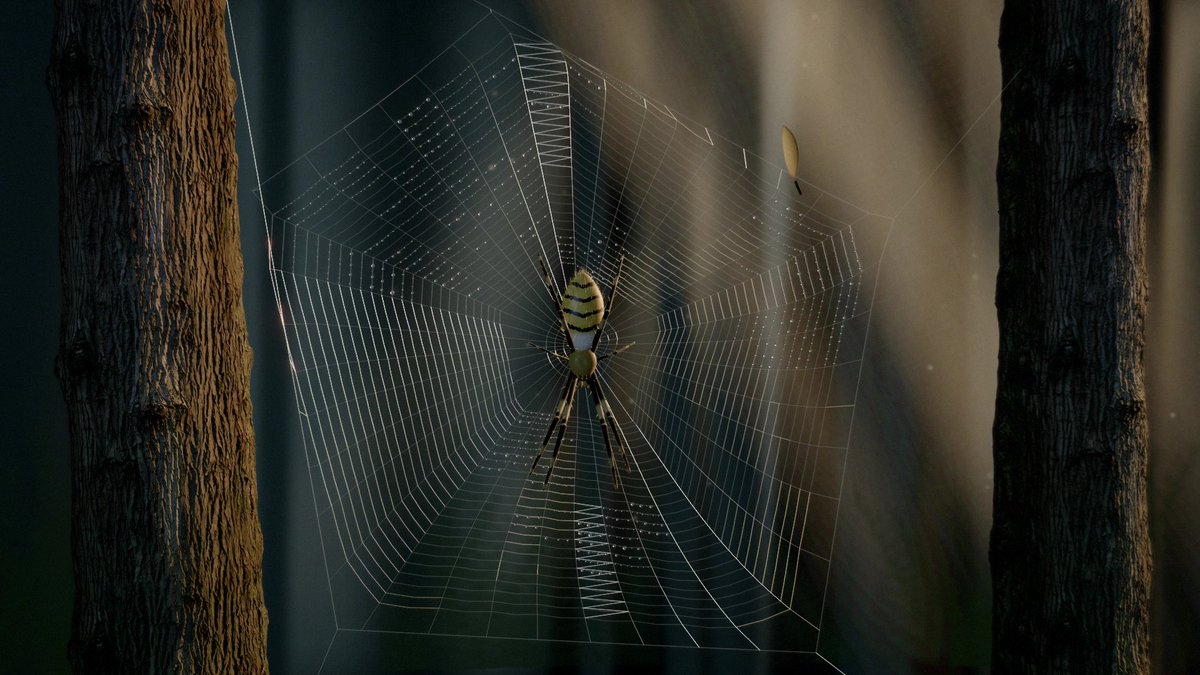
Vipin Pathak showcases Codevember Day 14 Tension
Vipin Pathak showcases Codevember Day 14 Tension, rendering elastic physics, particle dynamics, and responsive tactile mesh tension in Three.js.
 15 Likes
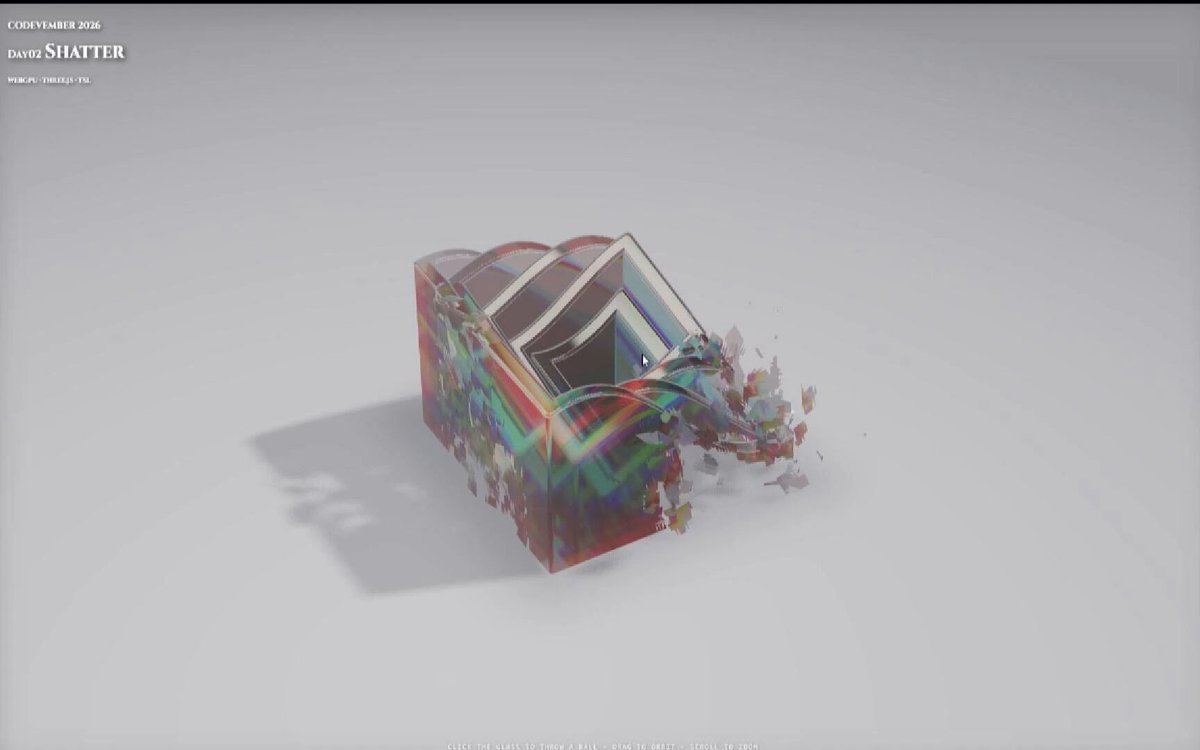
Frank Reitberger's WebGPU fracture and shockwave demo with audio
Audiovisual polygonal fracture and energy shockwave demo powered by WebGPU and WGSL, pushing raw GPU compute performance with dynamic shatter physics and synchronized audio-reactive particles.
 12 Likes
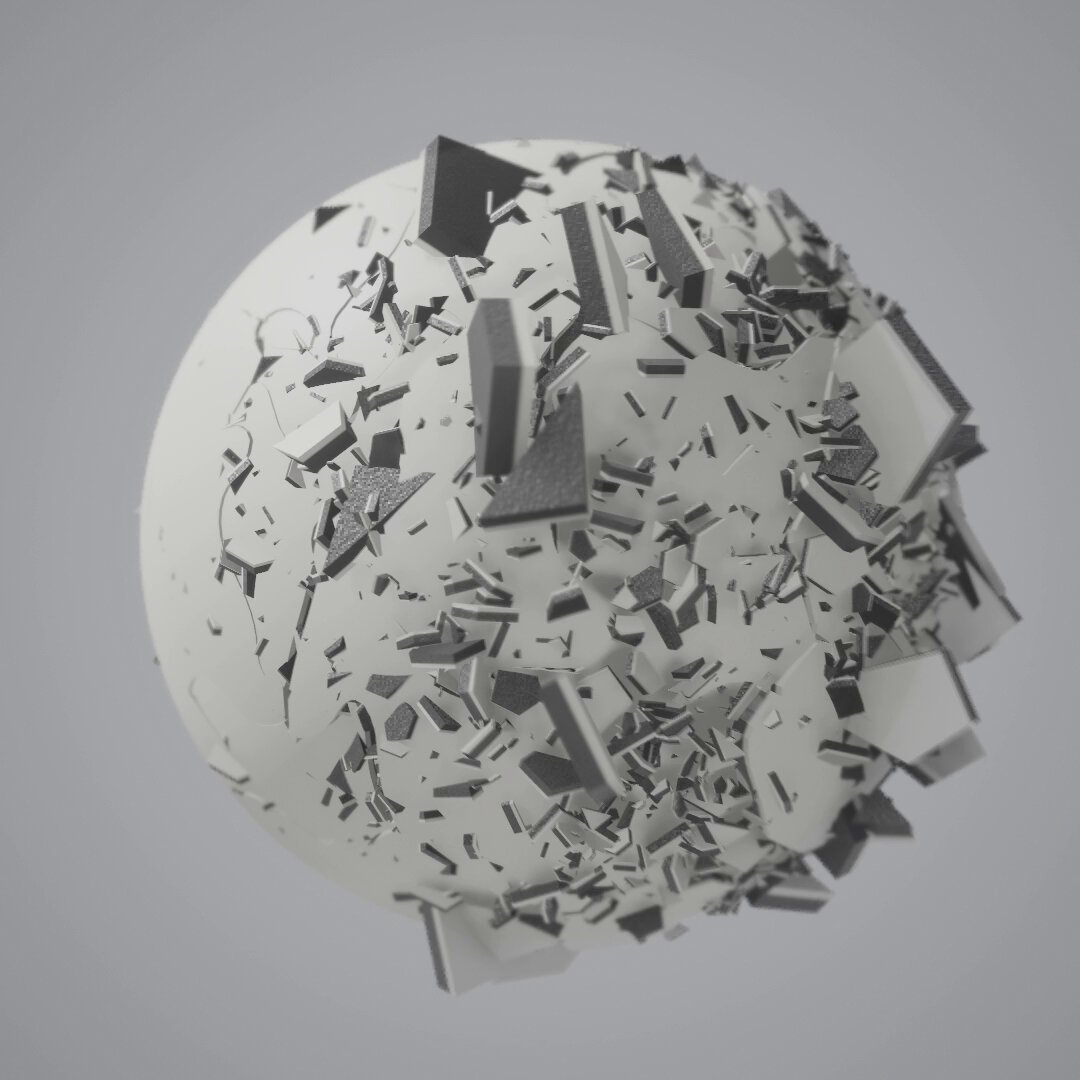
Graphics developer thespite shares a Codevember shatter experiment
Codevember shattered glass physics experiment by graphics veteran thespite, utilizing Three.js and custom GLSL refraction passes to depict explosive, photorealistic glass fracture dynamics.
 117 Likes
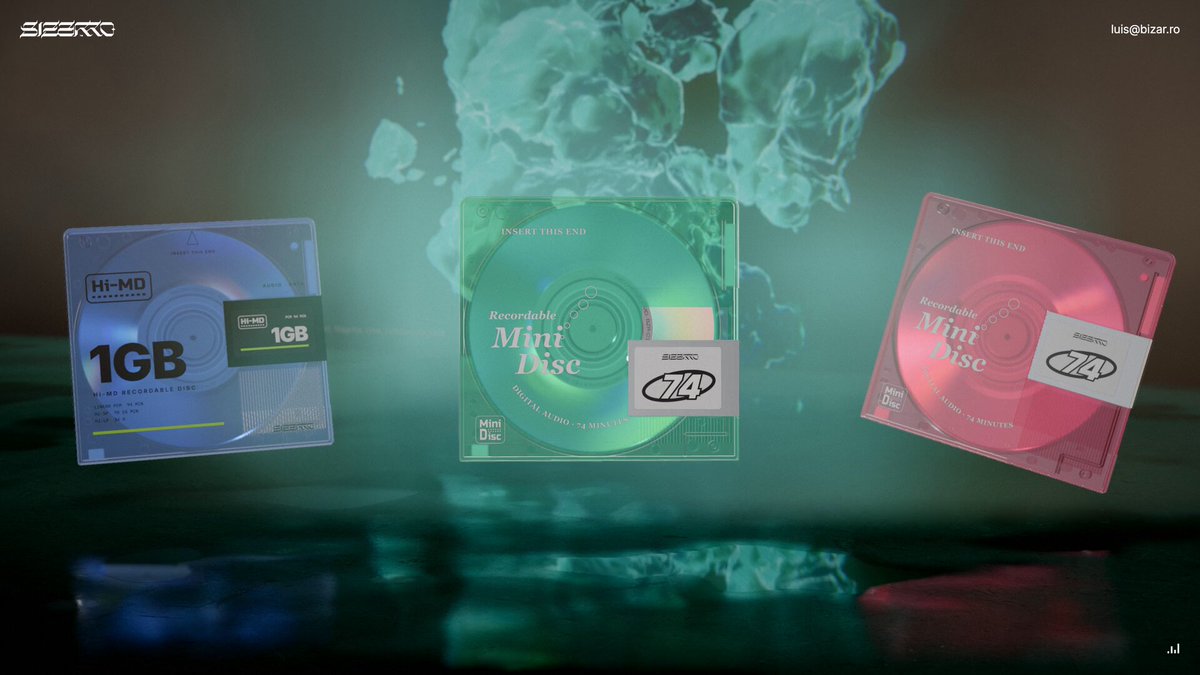
Luis Bizarro's MiniDiscs WebGL experiment with holographic shine
Nostalgic interactive CD-ROM simulation powered by native WebGL and GLSL shaders, faithfully reproducing holographic thin-film optical interference and iridescent rainbow diffraction under ambient lighting.