
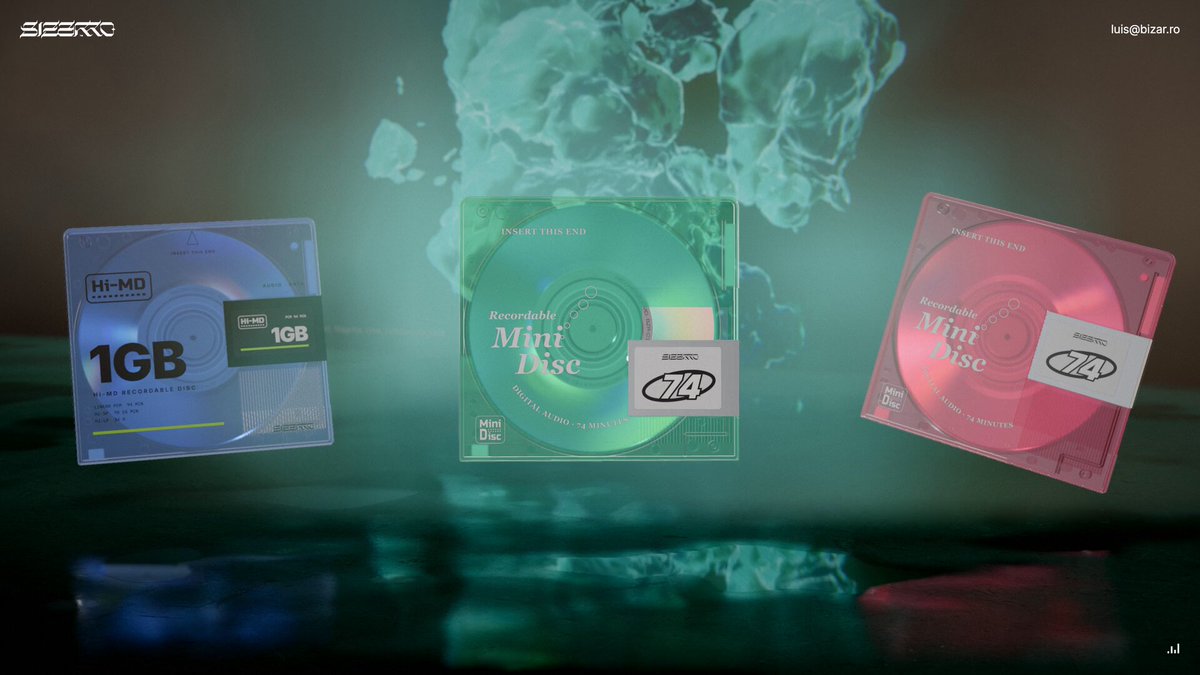
Luis Bizarro's MiniDiscs WebGL experiment with holographic shine
By @LuisBizarro • Curated • 117 likes on X
 Open Live Demo ↗
Nostalgic interactive CD-ROM simulation powered by native WebGL and GLSL shaders, faithfully reproducing holographic thin-film optical interference and iridescent rainbow diffraction under ambient lighting.
More from @LuisBizarro
Other projects by Luis Bizarro
 48 Likes
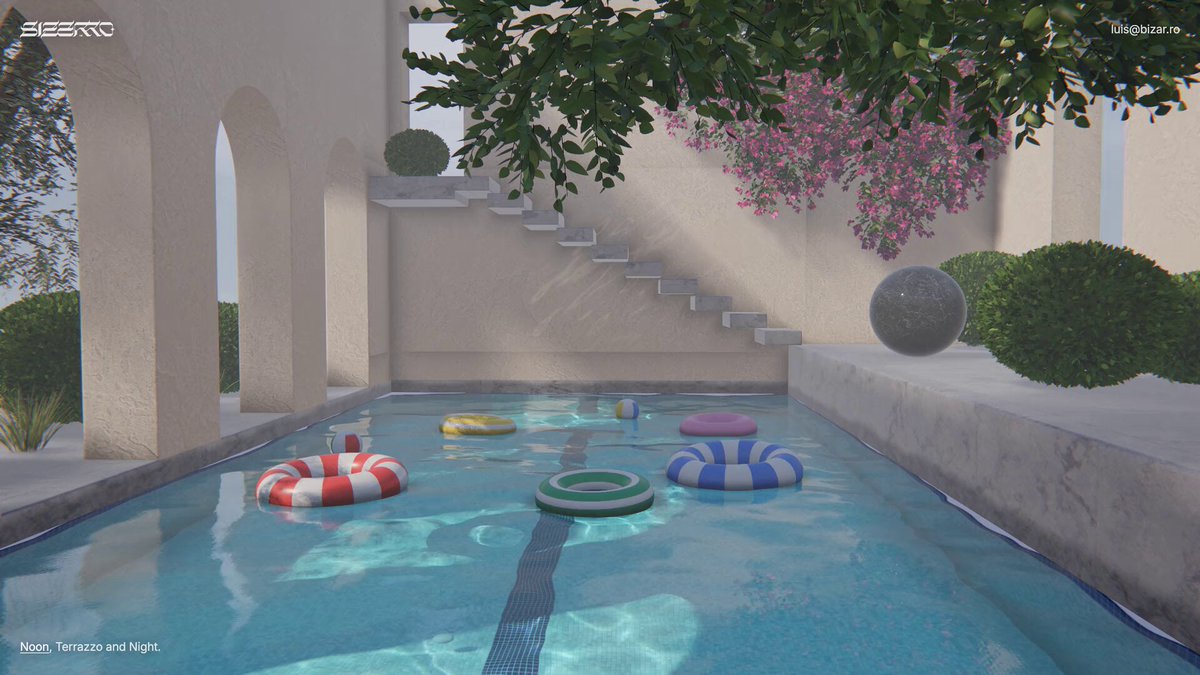
Luis Bizarro builds a digital pool party experiment in WebGPU
An immersive digital pool party powered by WebGPU and native WGSL shaders, featuring hyper-realistic underwater caustics, dynamic wave ripple displacement, and physical reflection-refraction optics.
 80 Likes
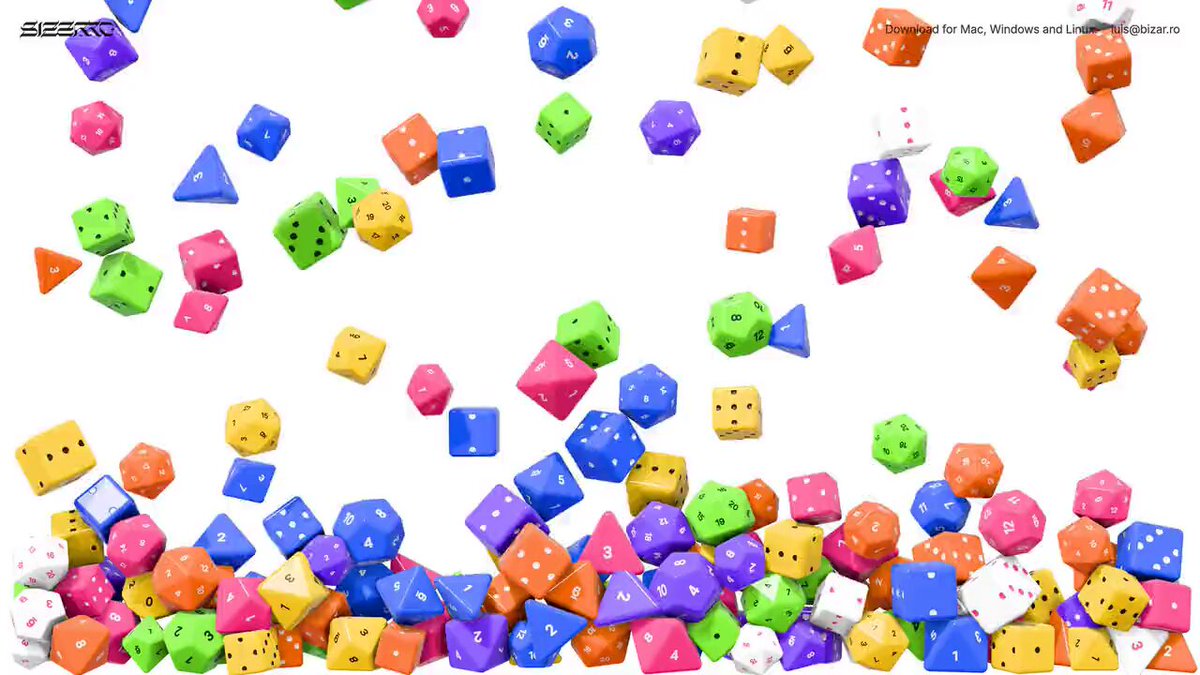
Luis Bizarro builds a GPU rigid-body cube simulation in WebGPU
Creative frontend and graphics engineer Luis Bizarro presents a GPU-driven rigid-body simulation built with WebGPU and WGSL. Focusing on dynamic 3D cube collisions and spatial bin packing, the entire pipeline—broadphase grid acceleration, narrowphase collision detection, and position Verlet integration—runs inside compute shaders, handling hundreds of falling dice with negligible CPU overhead. 💡 **Highlight:** End-to-end compute shader physics demonstrates WebGPU's immense performance advantage for compute-heavy collision dynamics.
 122 Likes
Luis Bizarro's photorealistic nature study in WebGPU and WGSL
Creative coder Luis Bizarro unveils a photorealistic nature rendering study driven by WebGPU and WGSL. Simulating blooming petals, wind-blown grass blades, contact shadows, and suspended airborne dust particles, the native WGSL pipeline captures the golden warmth of an afternoon garden. 💡 **Highlight:** Seamless coordination between WebGPU compute shaders and graphics pipelines simulates thousands of oscillating foliage blades with atmospheric lighting.
More Three.js Shaders
Projects curated around the same time in this topic
 52 Likes
A curated web design style dashboard aggregates cutting-edge
Structured web design trend dashboard built using automated scraping and AI synthesis, curating hundreds of cutting-edge WebGL, shader, and spatial interaction references for frontend developers.
 15 Likes
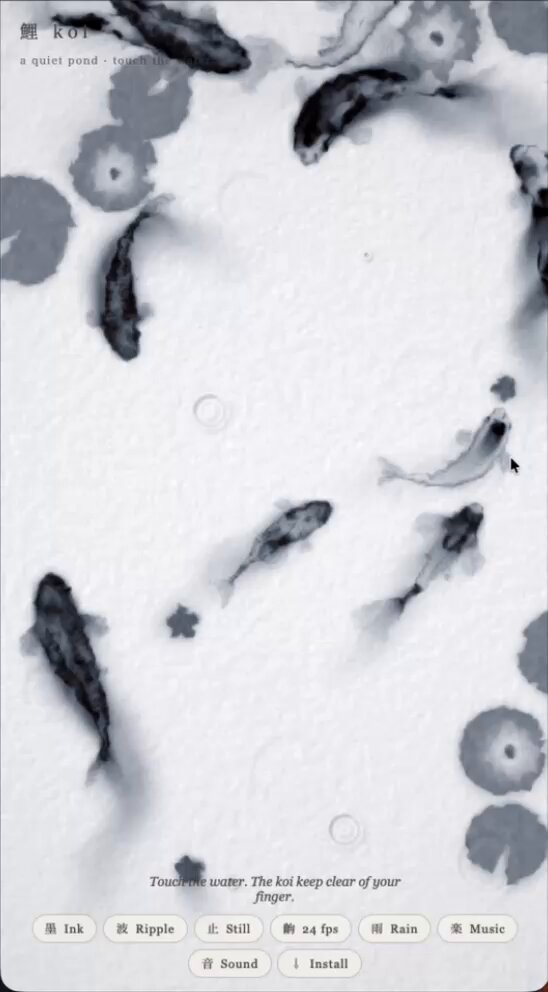
Codevember Zen Koi Pond
Artistic 3D koi pond simulation driven by Boids flocking algorithms with real-time post-processing filters for ink-wash, watercolor, and photorealism.
 11 Likes
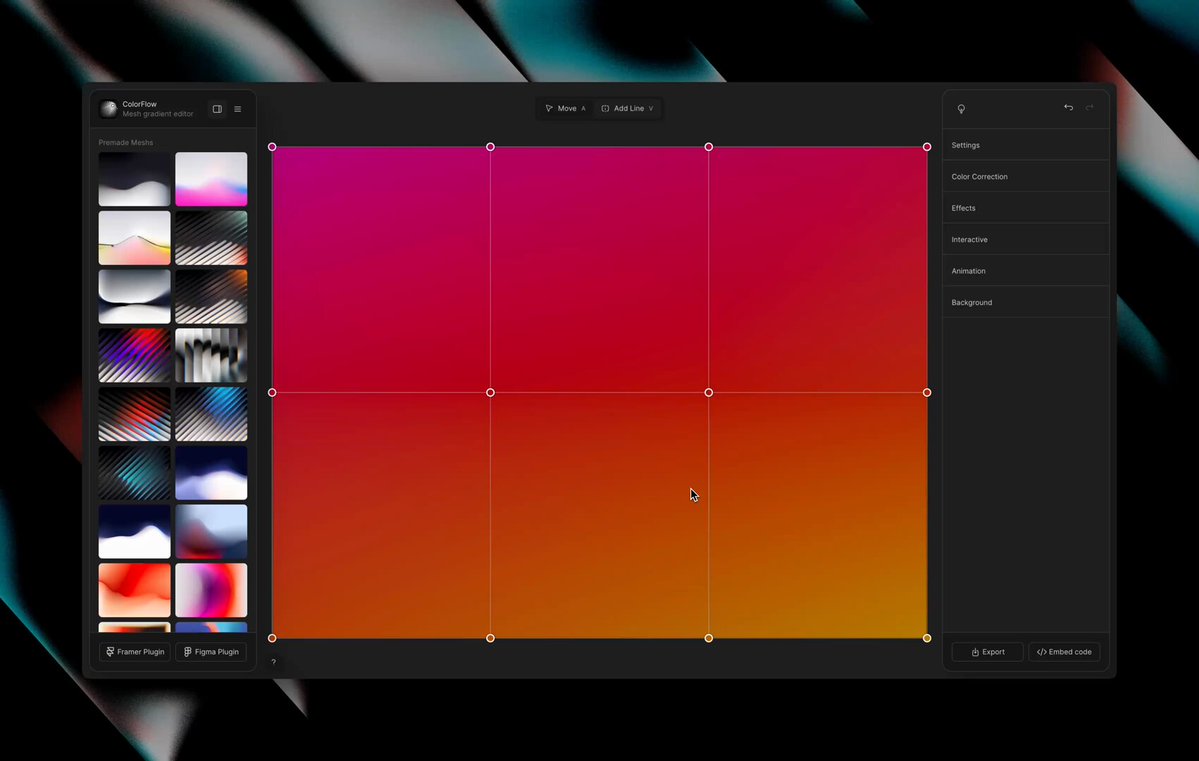
Hey Detya curates a gallery of 3D hero sections and GLSL shaders
Curated gallery of cutting-edge 3D web experiences and GLSL shaders, capturing inventive navigation mechanics, hero animations, and shader techniques for contemporary creative web developers.
 12 Likes
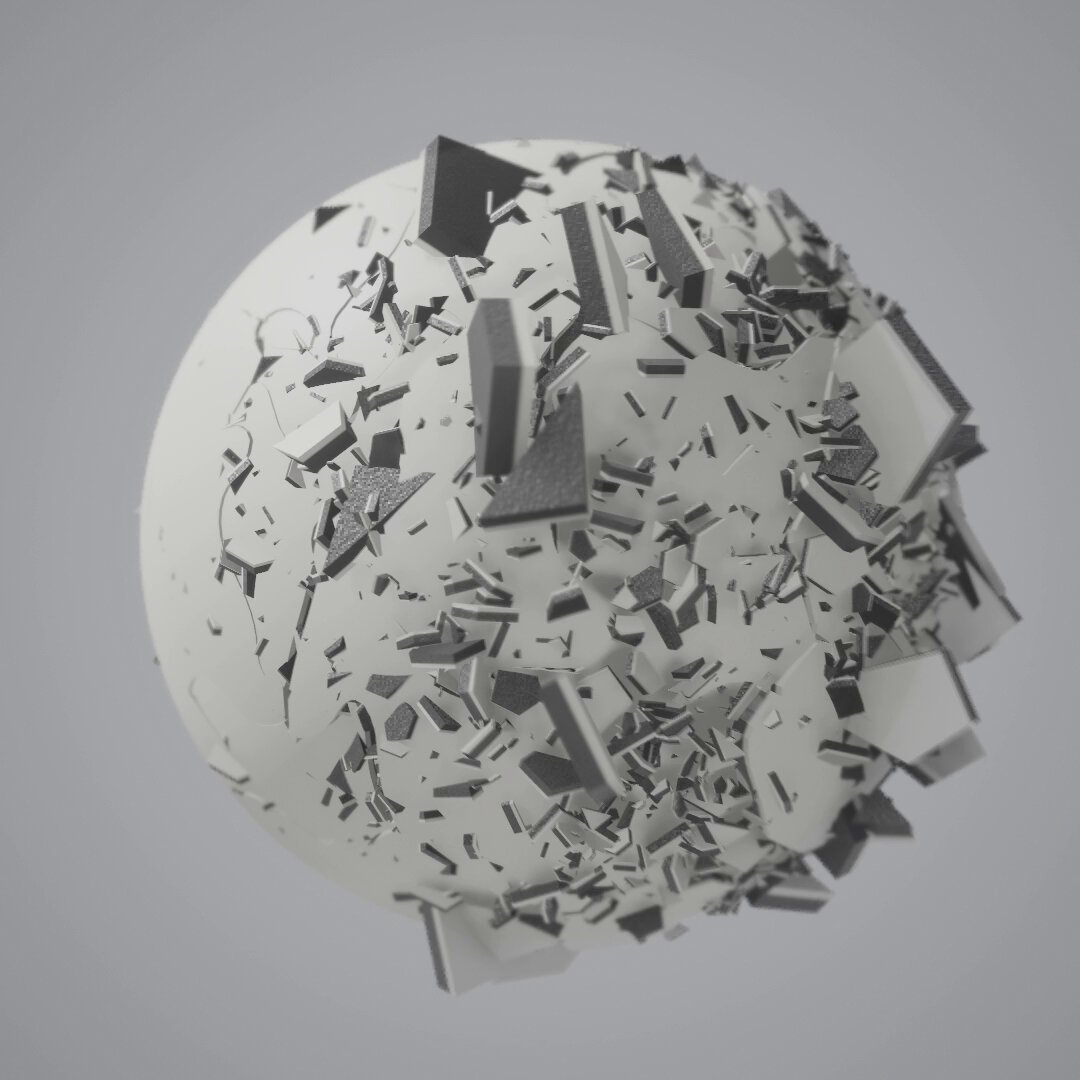
Graphics developer thespite shares a Codevember shatter experiment
Codevember shattered glass physics experiment by graphics veteran thespite, utilizing Three.js and custom GLSL refraction passes to depict explosive, photorealistic glass fracture dynamics.
 33 Likes
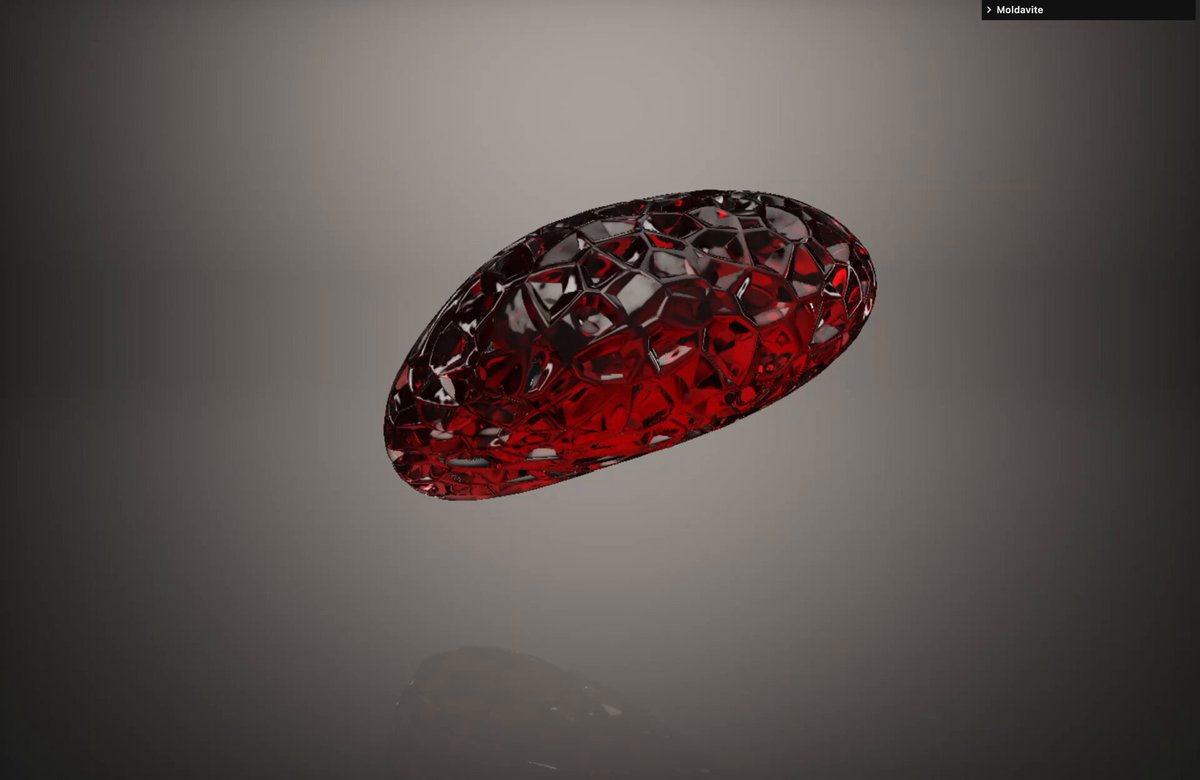
Open-source Moldavite Meteorite Shader Study on CodePen
Open-source Moldavite meteorite shader study on CodePen using Three.js, rendering deep translucent subsurface scattering (SSS), chromatic dispersion, and gem-like multifaceted light refractions.
 21 Likes
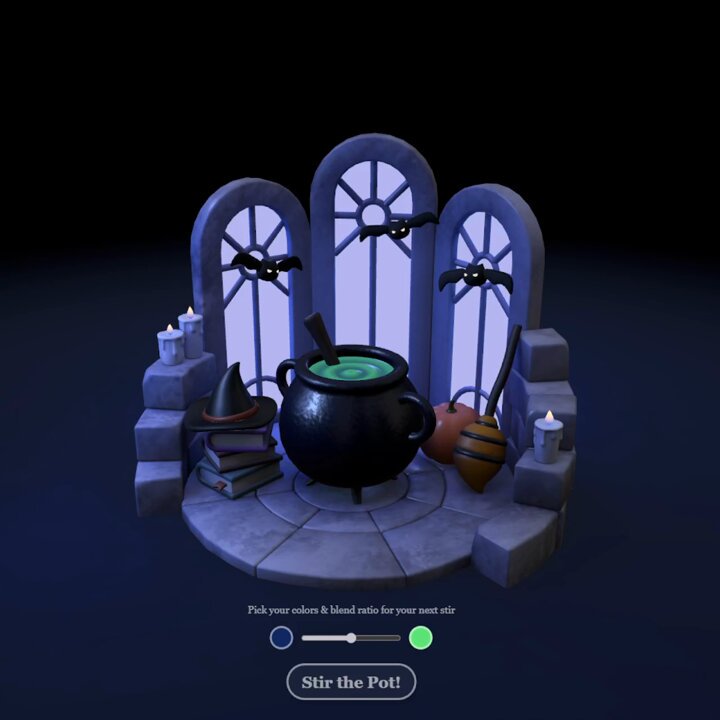
Chimakes3d's Halloween witch cauldron built with Three.js TSL
Interactive Halloween witch's cauldron built with Three.js Shading Language (TSL), faithfully simulating boiling fluid bubbles, radiant glowing embers, and expanding surface ripples.
 2 Likes
Jason Jerez launches an MCU-inspired WebGL portfolio
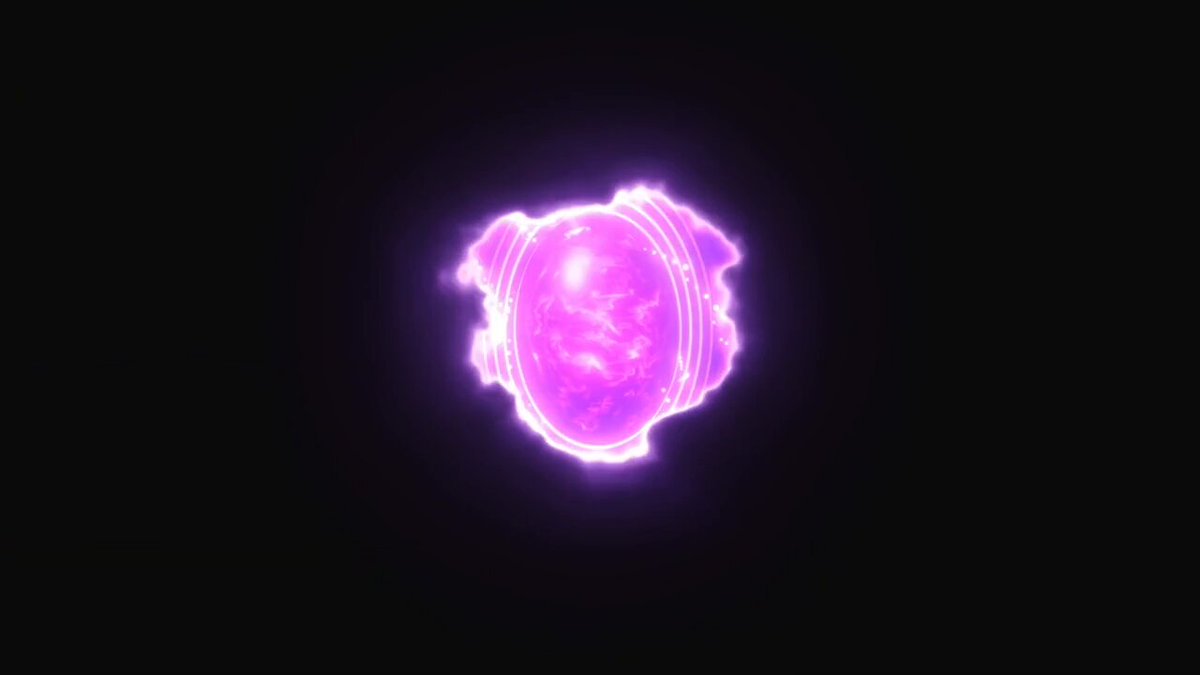
My new portfolio is live. An MCU-inspired experience featuring Infinity Stones, a portal, a branching timeline, and a few details worth exploring. --> https://jasonjerez.com/ #webdesign #webgl #shaders #glsl #creativedev #javascript #design #Marvel #MCU
 47 Likes
Luis Bizarro builds Gooey, a WebGPU gel with subsurface scattering
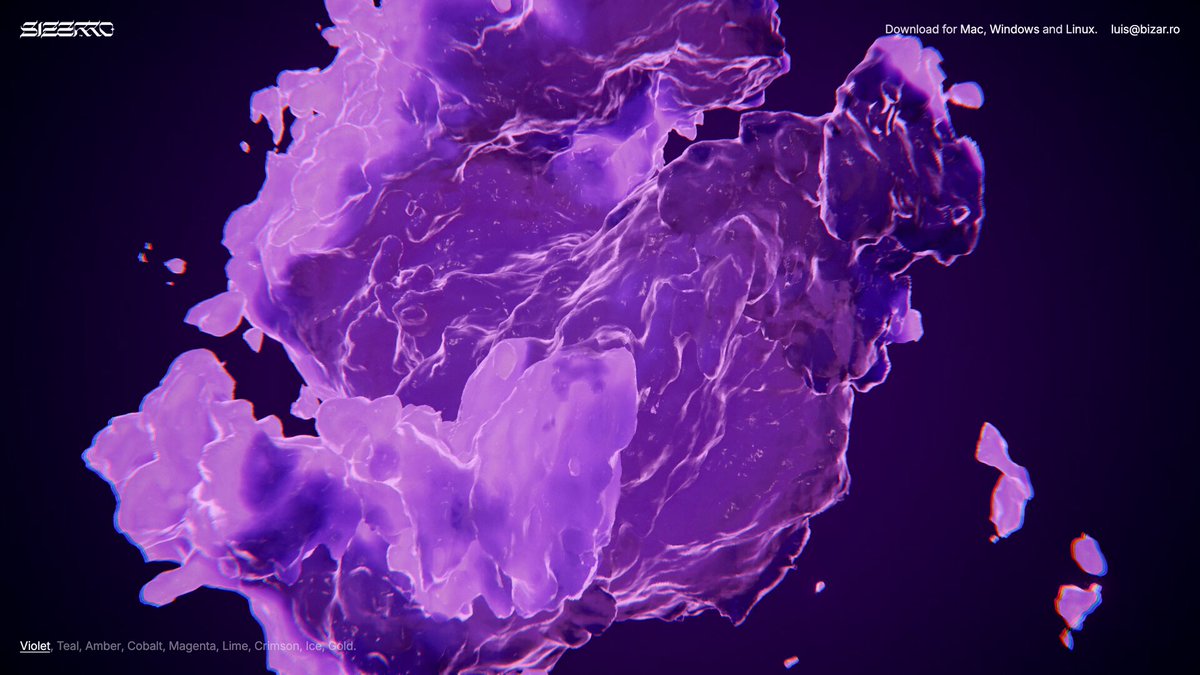
"Gooey", an interactive WebGPU and native WGSL shader experiment by Luis Bizarro, implementing realistic subsurface scattering (SSS) for a translucent, gelatinous fluid feel. Dragging the gel surface triggers spring-damped elastic deformations and tactile ripple waves. 💡 **Quick Take:** WGSL subsurface scattering meets soft-body physics, producing an irresistible, tactile jello-like interactive sensation!
Related Three.js Examples
More projects that share this one's topics
 503 Likes
Artem Korenevych's three-fluid-fx, drop-in fluid effects for Three.js
three-fluid-fx is a drop-in 2D fluid solver for Three.js by Artem Korenevych, for GLSL/WebGL and TSL/WebGPU. It adds cursor-driven overlays, distortion, reveal masks and GPGPU particle displacement, with more than 20 post-processing effects.
 37 Likes
Codrops Lookbook Hover Effects: 8 WebGL Hover Interactions
"Lookbook Hover Effects" open-sourced by Codrops, featuring 8 distinct WebGL hover interactions tailored for fashion catalogs. Moving over cards triggers fluid liquid-glass distortion, realistic paper tearing with curling peels, or cathode-ray TV static transitions, fusing GSAP easing with custom fragment shaders. 💡 **Quick Take:** Liquid glass, curling paper peels, and retro cathode-ray static: Codrops elevates e-commerce lookbook hover micro-interactions to gallery-level digital art.
 8 Likes
DesignPass, a library of 3D and WebGL UI components for React
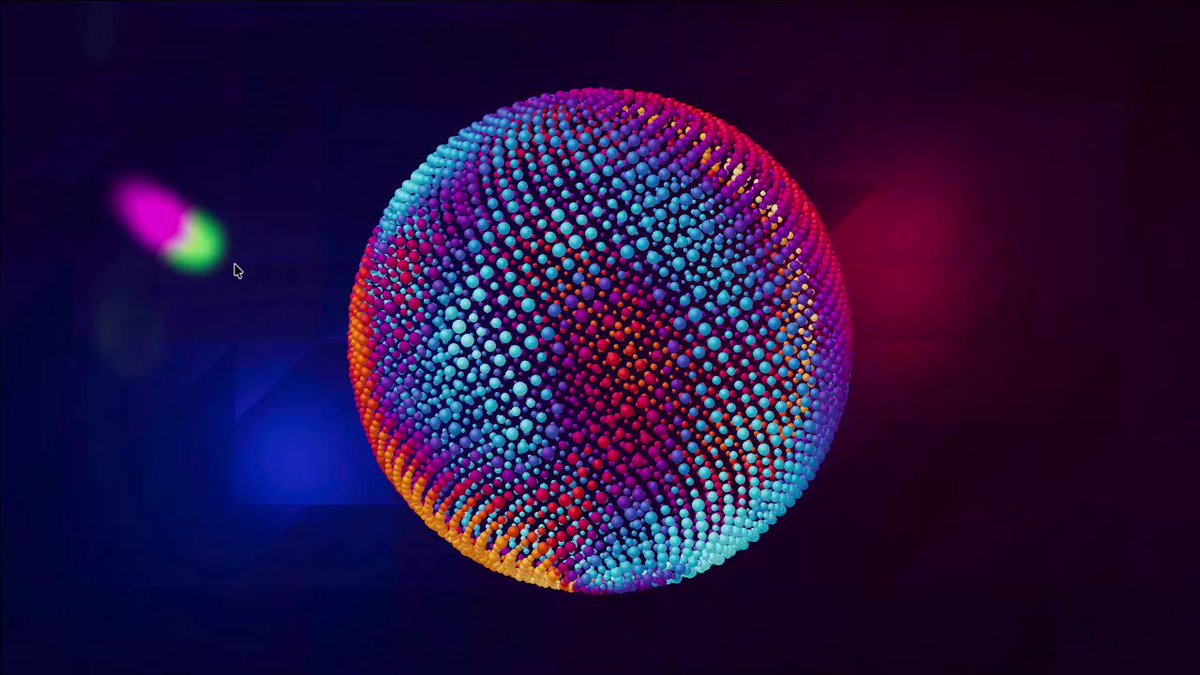
A curated spotlight on DesignPass, an online UI component repository tailored for Next.js and React ecosystems. It features a rich collection of 3D and WebGL motion components—from interactive 3D micro-interaction buttons to immersive fluid simulation backgrounds. Developers can tweak shader parameters and lighting angles in real time in the browser, then copy production-ready shader and component code with a single click. 💡 **Highlight:** A WYSIWYG WebGL creative component toolkit that seamlessly brings complex 3D fluids and custom shaders into modern React workflows.
 16 Likes
ThreeJS Assets builds a cyberpunk kit with neon but no bloom pass
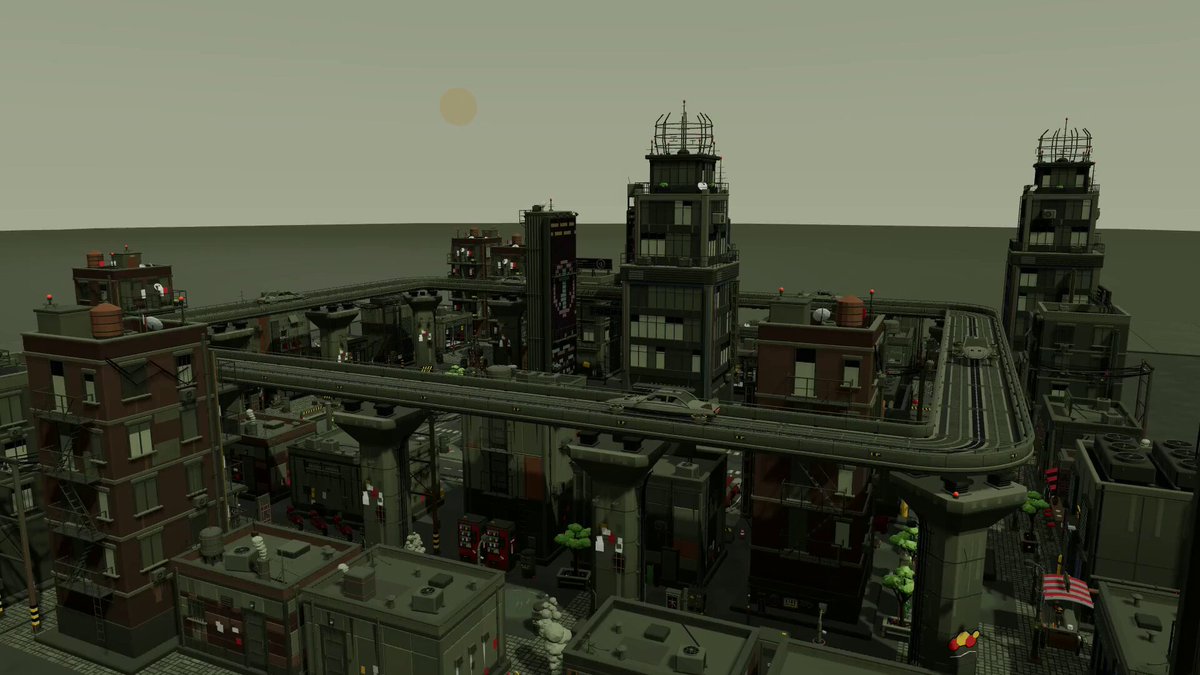
The Three.js Assets team unveils an optimized cyberpunk 3D kit designed specifically for WebGL. Instead of relying on expensive full-screen post-processing bloom passes, each neon tube, window emission, and billboard display is modeled with carefully tuned emissive geometry and falloff gradients. 💡 **Highlight:** Replacing costly bloom passes with geometry-based emission techniques provides a battery-friendly, high-performance cyberpunk nightscape for low-end and mobile devices.