
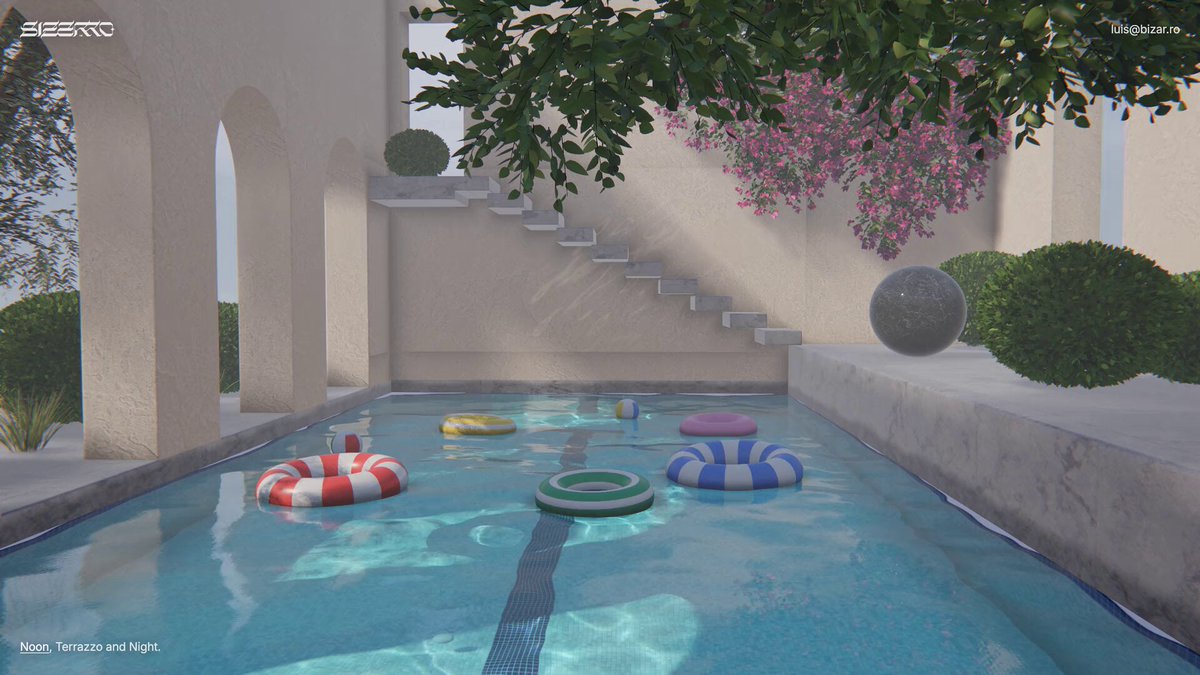
Luis Bizarro builds a digital pool party experiment in WebGPU
By @LuisBizarro • Curated • 48 likes on X
 Open Live Demo ↗
An immersive digital pool party powered by WebGPU and native WGSL shaders, featuring hyper-realistic underwater caustics, dynamic wave ripple displacement, and physical reflection-refraction optics.
More from @LuisBizarro
Other projects by Luis Bizarro
 117 Likes
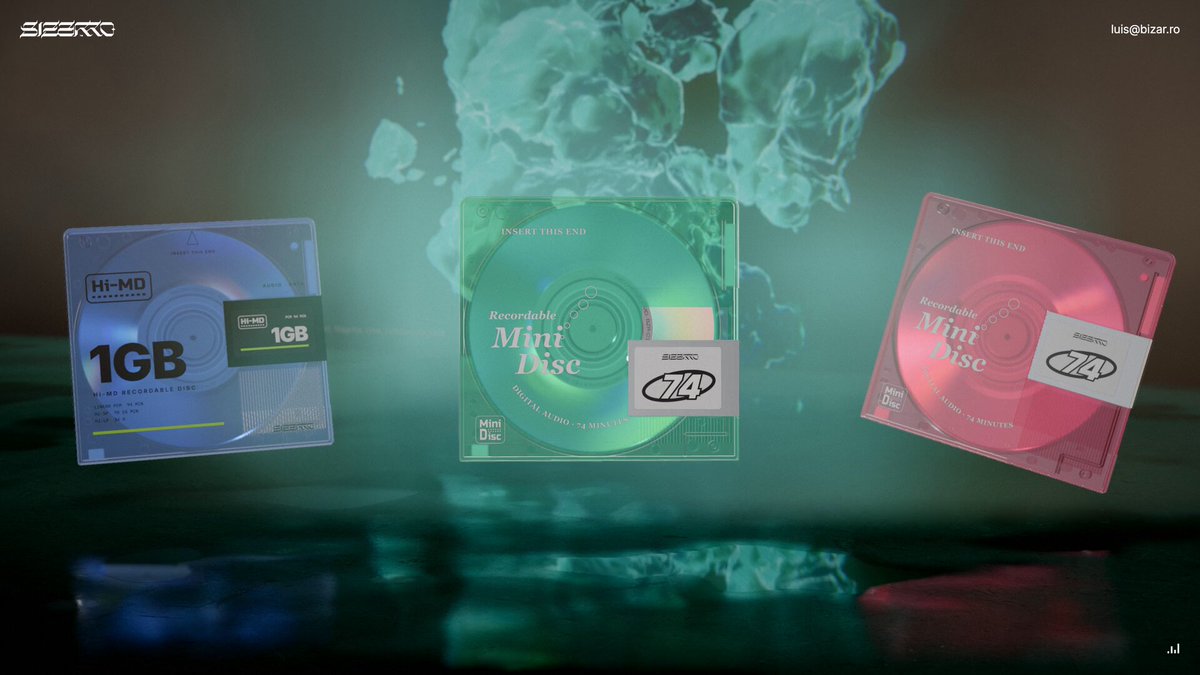
Luis Bizarro's MiniDiscs WebGL experiment with holographic shine
Nostalgic interactive CD-ROM simulation powered by native WebGL and GLSL shaders, faithfully reproducing holographic thin-film optical interference and iridescent rainbow diffraction under ambient lighting.
 47 Likes
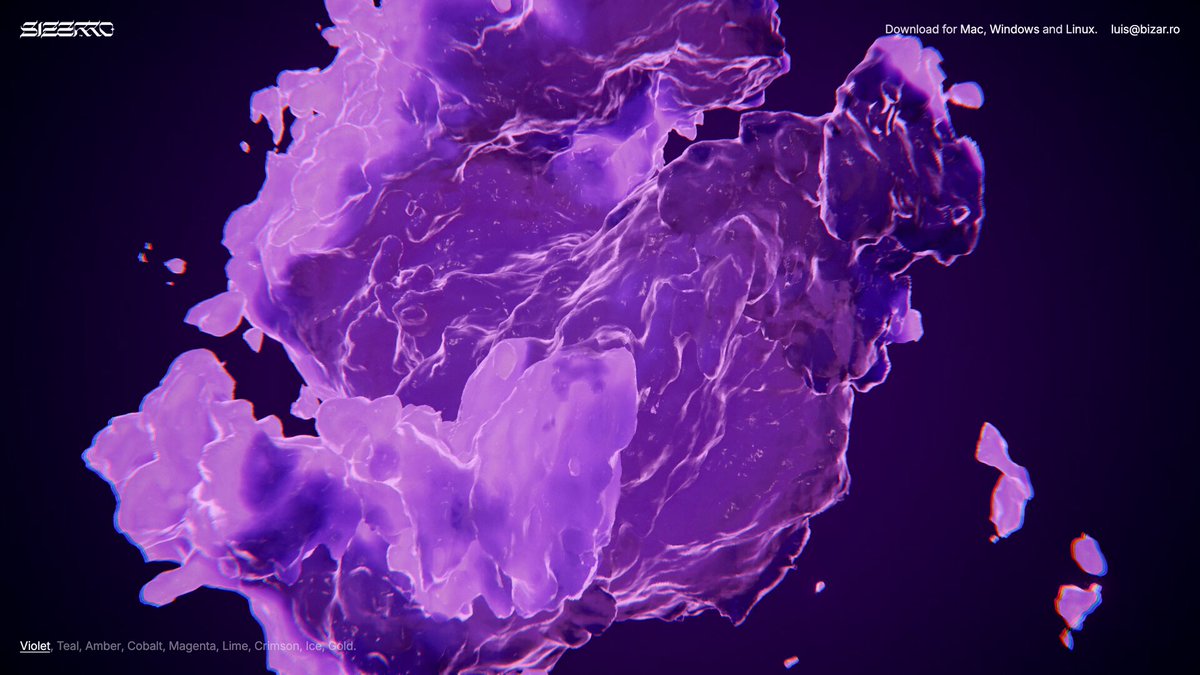
Luis Bizarro builds Gooey, a WebGPU gel with subsurface scattering
"Gooey", an interactive WebGPU and native WGSL shader experiment by Luis Bizarro, implementing realistic subsurface scattering (SSS) for a translucent, gelatinous fluid feel. Dragging the gel surface triggers spring-damped elastic deformations and tactile ripple waves. 💡 **Quick Take:** WGSL subsurface scattering meets soft-body physics, producing an irresistible, tactile jello-like interactive sensation!
 80 Likes
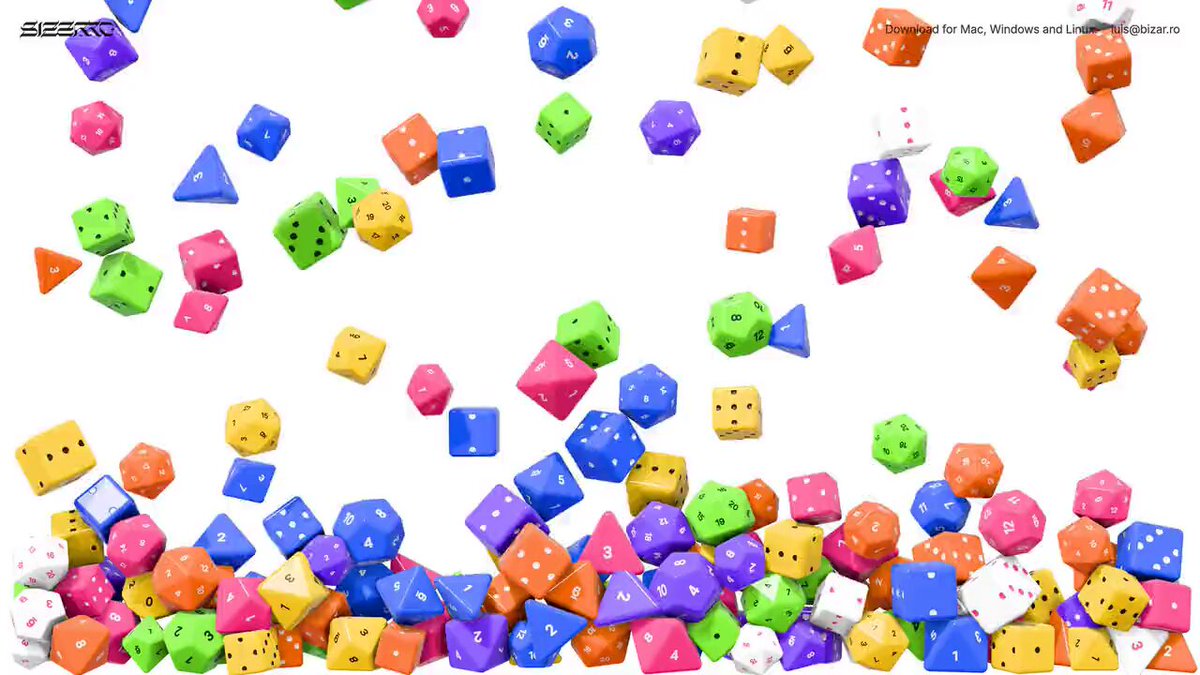
Luis Bizarro builds a GPU rigid-body cube simulation in WebGPU
Creative frontend and graphics engineer Luis Bizarro presents a GPU-driven rigid-body simulation built with WebGPU and WGSL. Focusing on dynamic 3D cube collisions and spatial bin packing, the entire pipeline—broadphase grid acceleration, narrowphase collision detection, and position Verlet integration—runs inside compute shaders, handling hundreds of falling dice with negligible CPU overhead. 💡 **Highlight:** End-to-end compute shader physics demonstrates WebGPU's immense performance advantage for compute-heavy collision dynamics.
 122 Likes
Luis Bizarro's photorealistic nature study in WebGPU and WGSL
Creative coder Luis Bizarro unveils a photorealistic nature rendering study driven by WebGPU and WGSL. Simulating blooming petals, wind-blown grass blades, contact shadows, and suspended airborne dust particles, the native WGSL pipeline captures the golden warmth of an afternoon garden. 💡 **Highlight:** Seamless coordination between WebGPU compute shaders and graphics pipelines simulates thousands of oscillating foliage blades with atmospheric lighting.
More Three.js Shaders
Projects curated around the same time in this topic
 459 Likes
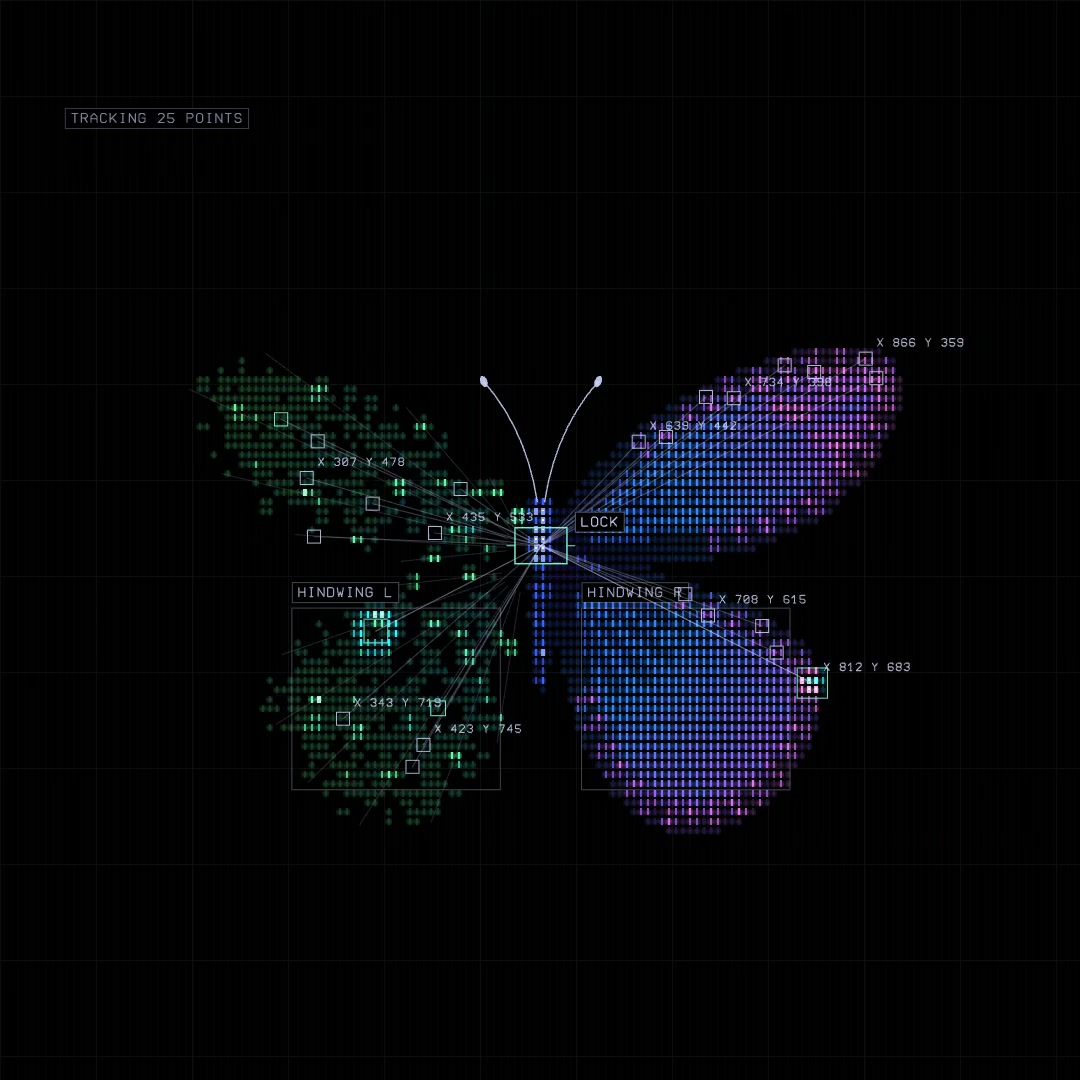
Navedux shared an expressive creative coding experiment in WebGL
Navedux shared an expressive creative coding experiment in WebGL, combining custom procedural shaders with fluid motion graphics.
 383 Likes
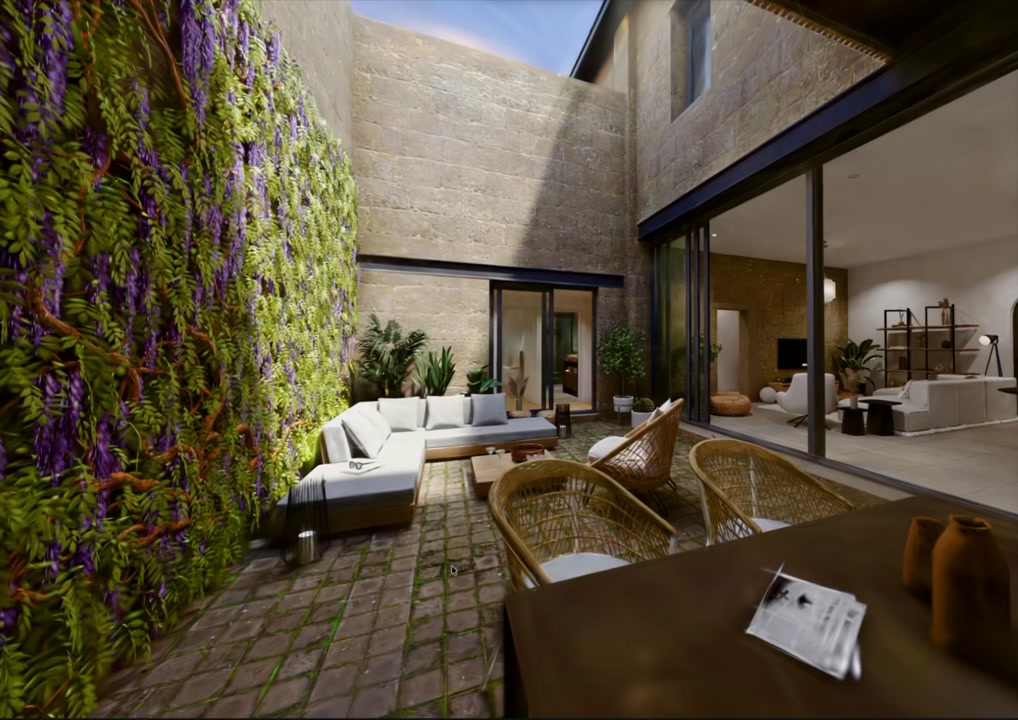
Martin Valigursky releases a Matrix digital rain shader for splats
Martin Valigursky released an open-source Matrix digital rain shader for 3D Gaussian Splatting in PlayCanvas on WebGL2 and WebGPU.
 183 Likes
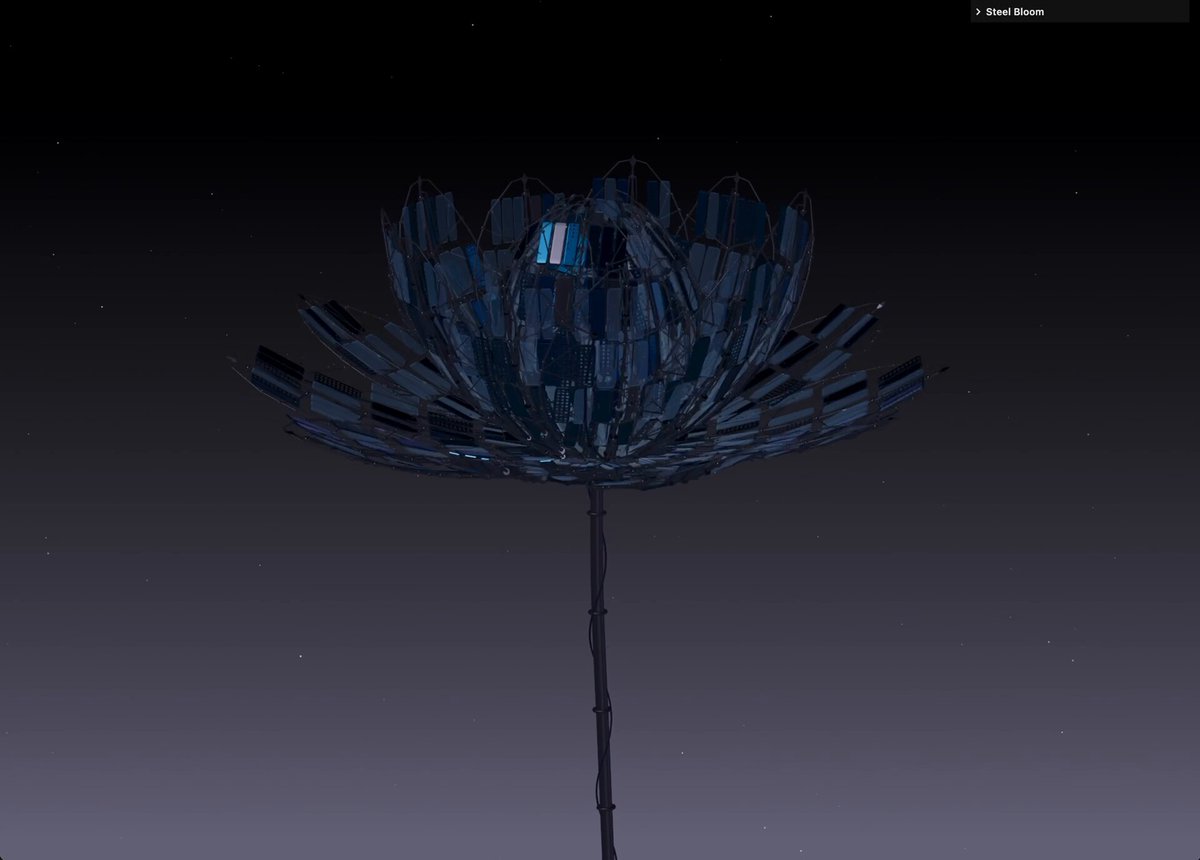
Sabosugi releases Steel Bloom, a procedural metallic flower shader
Creative developer sabosugi released Steel Bloom, using custom Three.js GLSL shaders to render a procedural blooming metallic flower.
 360 Likes
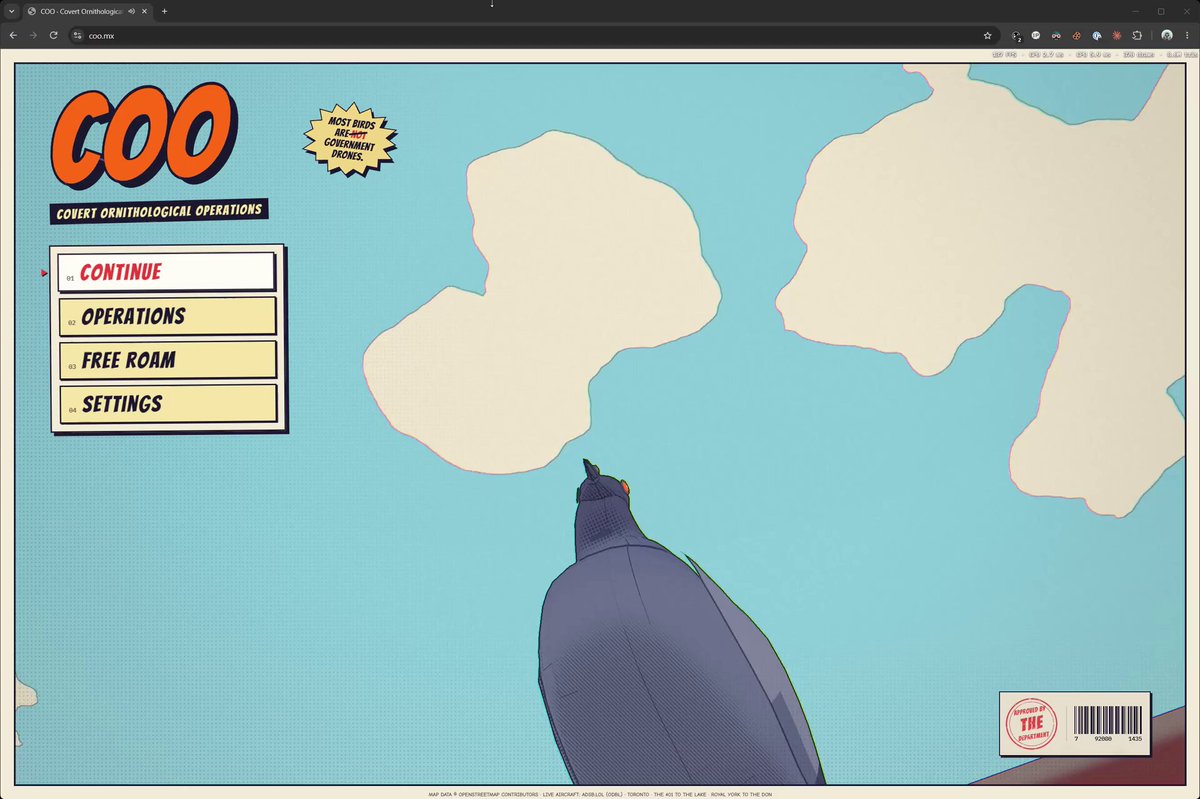
Yegor Sak's COO, a robotic pigeon adventure over Toronto
COO, Covert Ornithological Operations, is Yegor Sak's bird GTA-style game: a full 3D Toronto drawn as a living comic book with ink lines, pastel cel shading and halftone dots, where you play a robotic pigeon on missions.
 44 Likes
Creative Coding Experiment in Three.js Utilizing Algorithmic Shaders
Veteran 3D artist presents "Void", a creative coding experiment in Three.js utilizing algorithmic shaders to render an enigmatic hollow geometric dance of light, shadow, and volumetric pulse.
 11 Likes
Vertical Japanese Typography Signage Embedded in WebGL 3D Space
Vertical Japanese typography signage seamlessly embedded into WebGL 3D space, layered with retro VHS glitch, scanline distortion, and pixelation fragment shaders.
 16 Likes
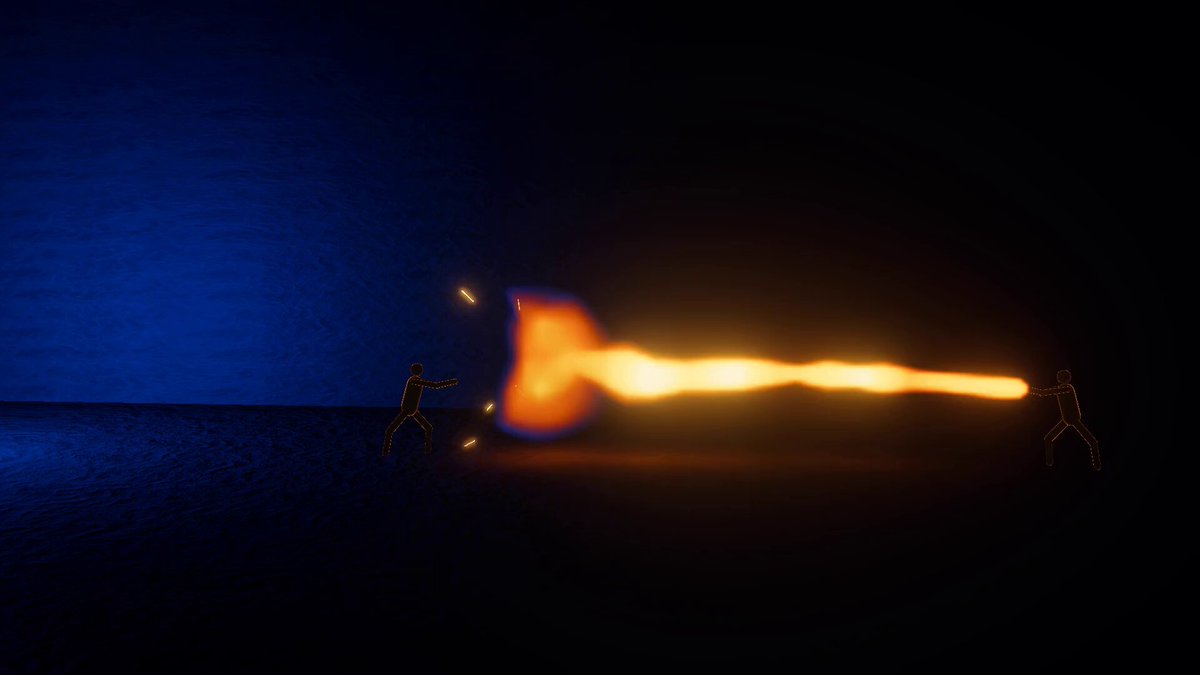
Fastmax remakes a Niagara force field effect in Three.js WebGPU
Fastmax recreated RedefineFX's Unreal Niagara force field effect in Three.js, running live in the browser on WebGPU. A 3D gas solver runs in compute shaders, with raymarched smoke and fire that cools into soot, and the source code is open.
 9 Likes
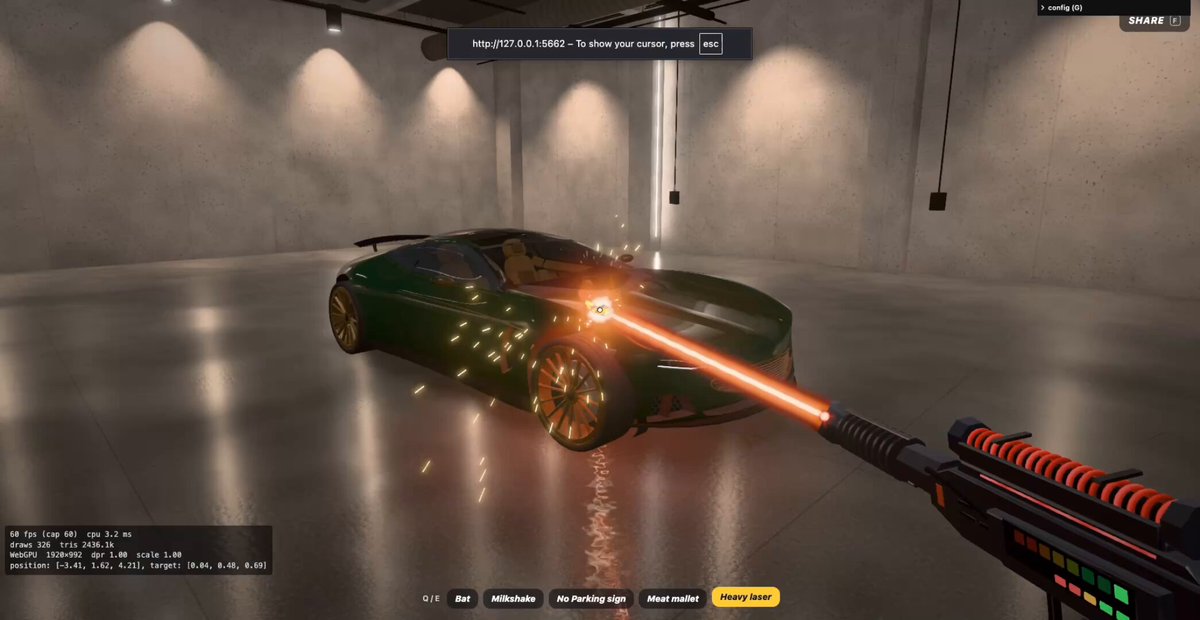
Andrei Provkin's Rage Garage: six ways to wreck a supercar
Rage Garage gives you one supercar and six ways to wreck it: dent it, shatter it, freeze it solid or cut it in half with a laser. Andrei Provkin built it with Claude Opus 5.5 in 51 agent-hours; everything is procedural Three.js TSL code with zero assets.
Related Three.js Examples
More projects that share this one's topics
 87 Likes
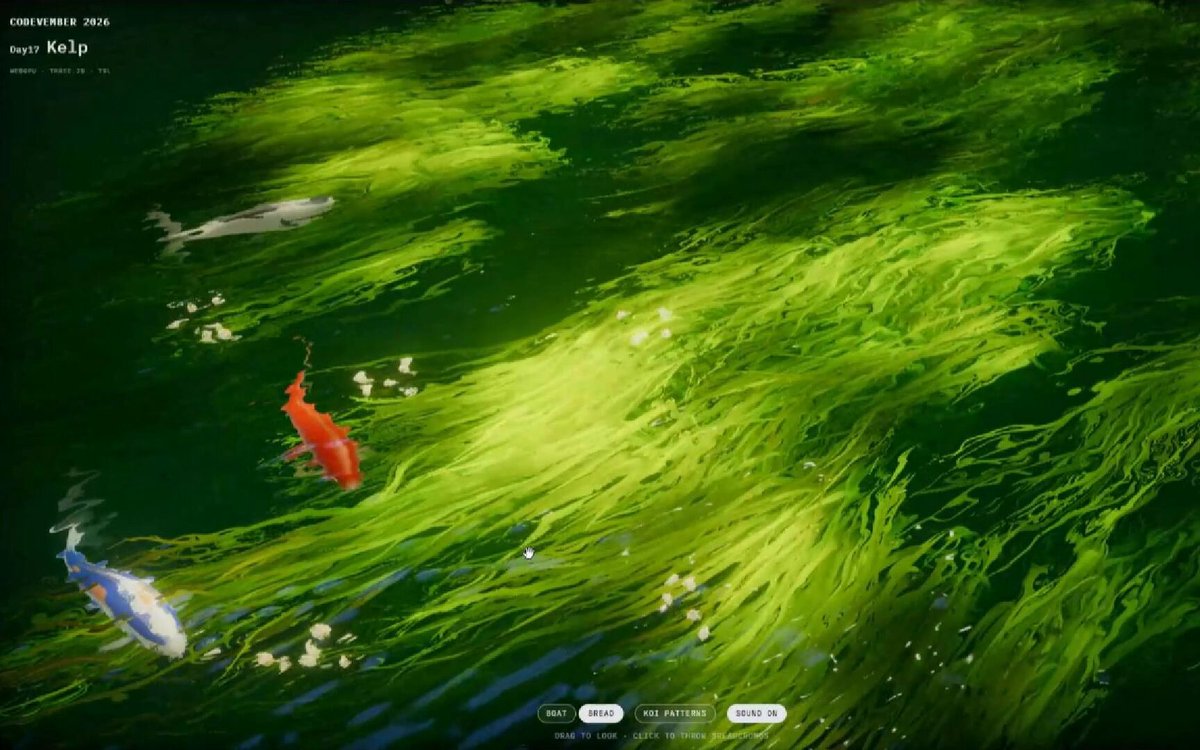
Frank Reitberger simulates an underwater kelp forest in WebGPU
Kelp is Frank Reitberger's Codevember 2026 day 17 piece: koi swim through a swaying underwater kelp forest, with on-screen controls to drag, add patterns and turn the sound on. It is built with Three.js, WebGPU and TSL shaders and runs live in the browser.
 20 Likes
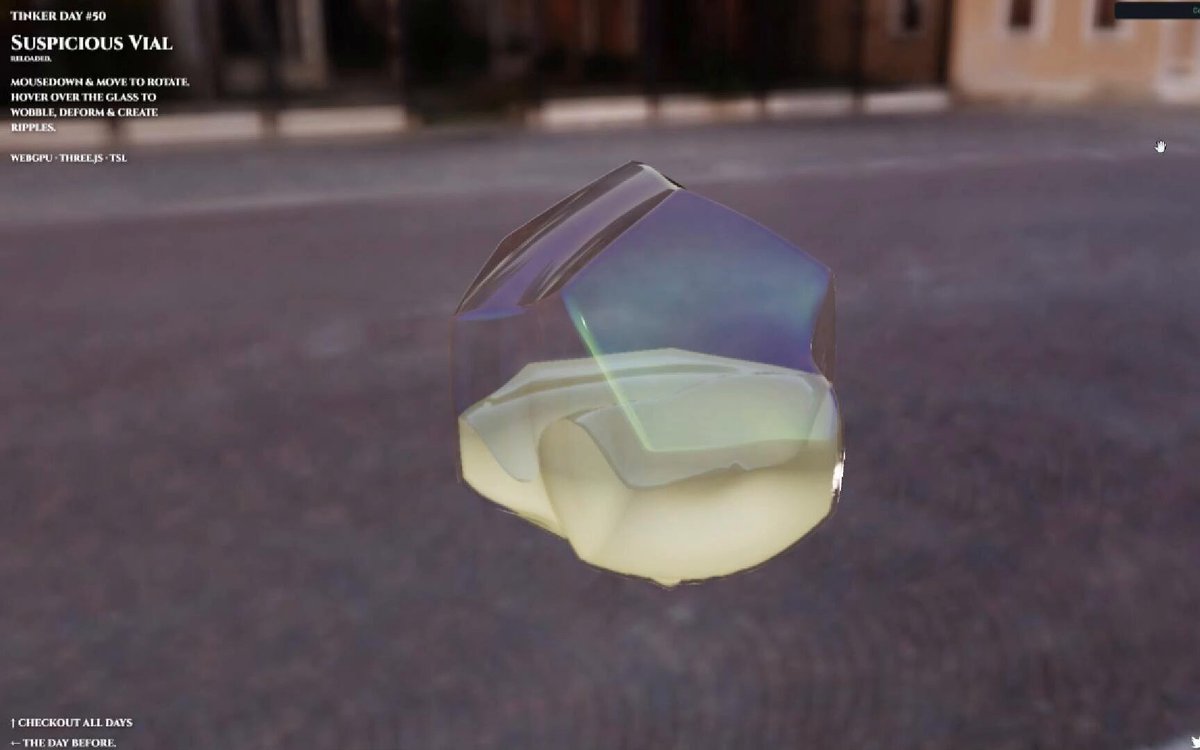
Classic Pure-glsl Potion Bottle Shader Modernized into WebGPU
A classic pure-GLSL potion bottle shader modernized into WebGPU using Three Shading Language (TSL). The port improves upon the original with thick glass surface refraction, spring-damped wobble elasticity, and buoyant liquid sloshing dynamics. 💡 **Highlight:** A textbook demonstration of migrating legacy GLSL into modular node-based TSL shaders, delivering rich dielectric refraction and fluid momentum.
 6 Likes
Creative WGSL Piece Built on Webgpu
Generative artist sib shares 'Flowing Cells', a creative WGSL piece built on WebGPU. Utilizing differential wave equations, the compact shader simulates organic cellular membrane deformation, diffusion, mitosis, and luminous surface oscillation within an ambient fluid medium. 💡 **Highlight:** Elegant differential calculus running in WGSL compute transforms abstract math into a pulsating, living microscopic realm.
 14 Likes
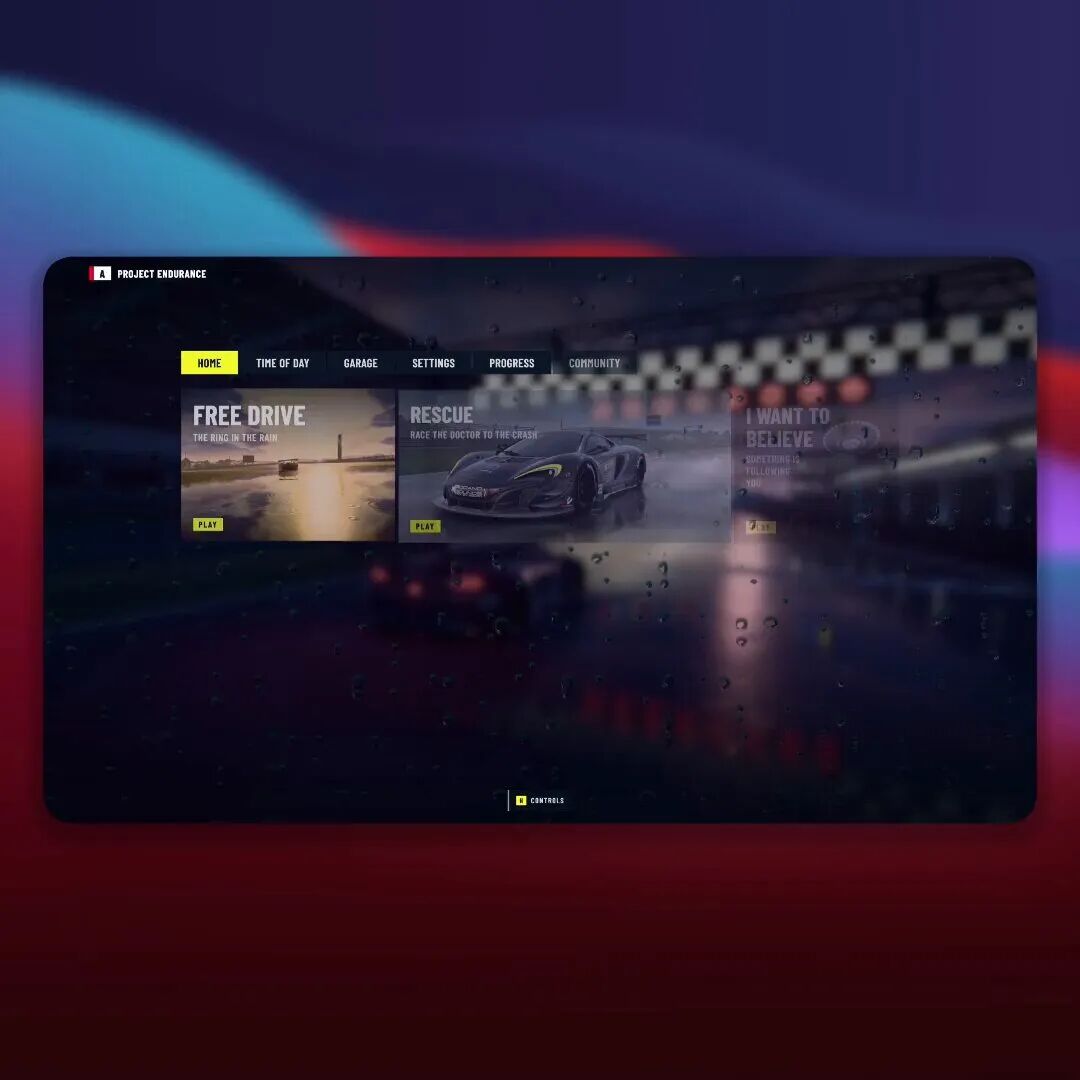
Anderson Mancini's Project Endurance, a GT3 racetrack in WebGPU
Celebrated Web3D creator Anderson Mancini unveiled Project Endurance, recreating a rain-drenched GT3 racetrack directly inside a single browser tab. Built upon Three.js, WebGPU, TSL (Three.js Shading Language), and the Rapier physics engine, it renders hyper-realistic dynamic rain spray, wet asphalt reflections, and tire grip physics. 💡 **Highlight:** The graphical high-water mark for web-based racing, where WebGPU and TSL compute shaders fully unleash wet-surface physically based reflections.