
Luis Bizarro's photorealistic nature study in WebGPU and WGSL
By @LuisBizarro • Curated • 122 likes on X
 Open Live Demo ↗
Creative coder Luis Bizarro unveils a photorealistic nature rendering study driven by WebGPU and WGSL. Simulating blooming petals, wind-blown grass blades, contact shadows, and suspended airborne dust particles, the native WGSL pipeline captures the golden warmth of an afternoon garden.
💡 **Highlight:** Seamless coordination between WebGPU compute shaders and graphics pipelines simulates thousands of oscillating foliage blades with atmospheric lighting.
More from @LuisBizarro
Other projects by Luis Bizarro
 48 Likes
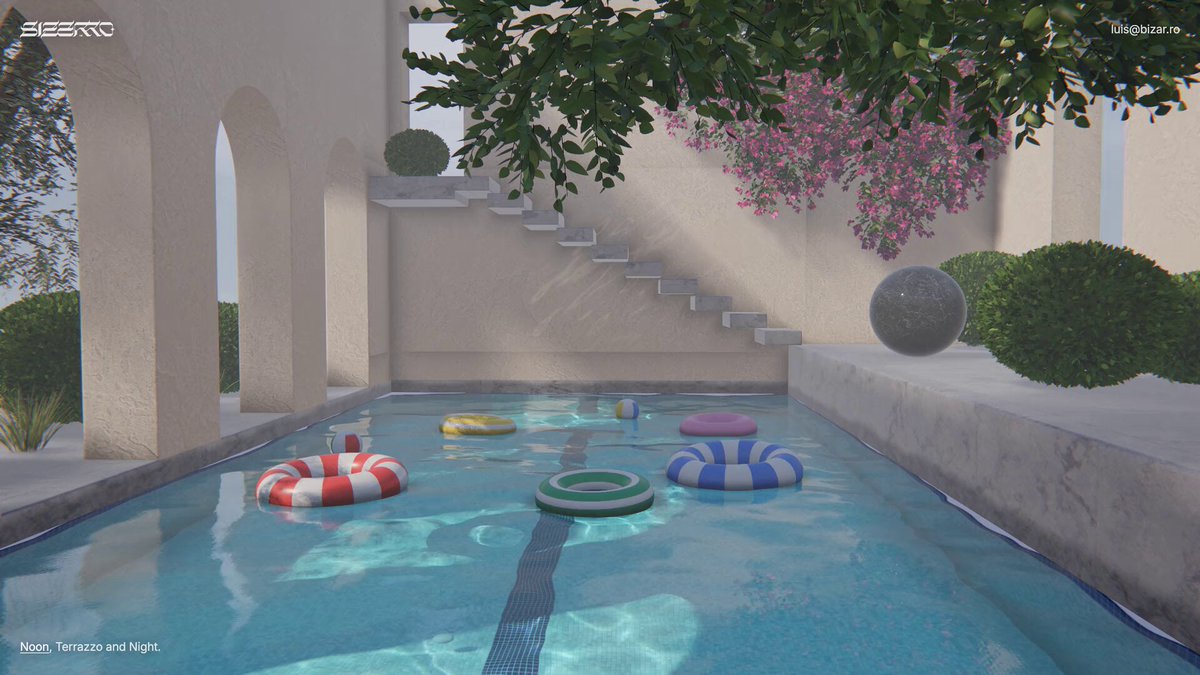
Luis Bizarro builds a digital pool party experiment in WebGPU
An immersive digital pool party powered by WebGPU and native WGSL shaders, featuring hyper-realistic underwater caustics, dynamic wave ripple displacement, and physical reflection-refraction optics.
 117 Likes
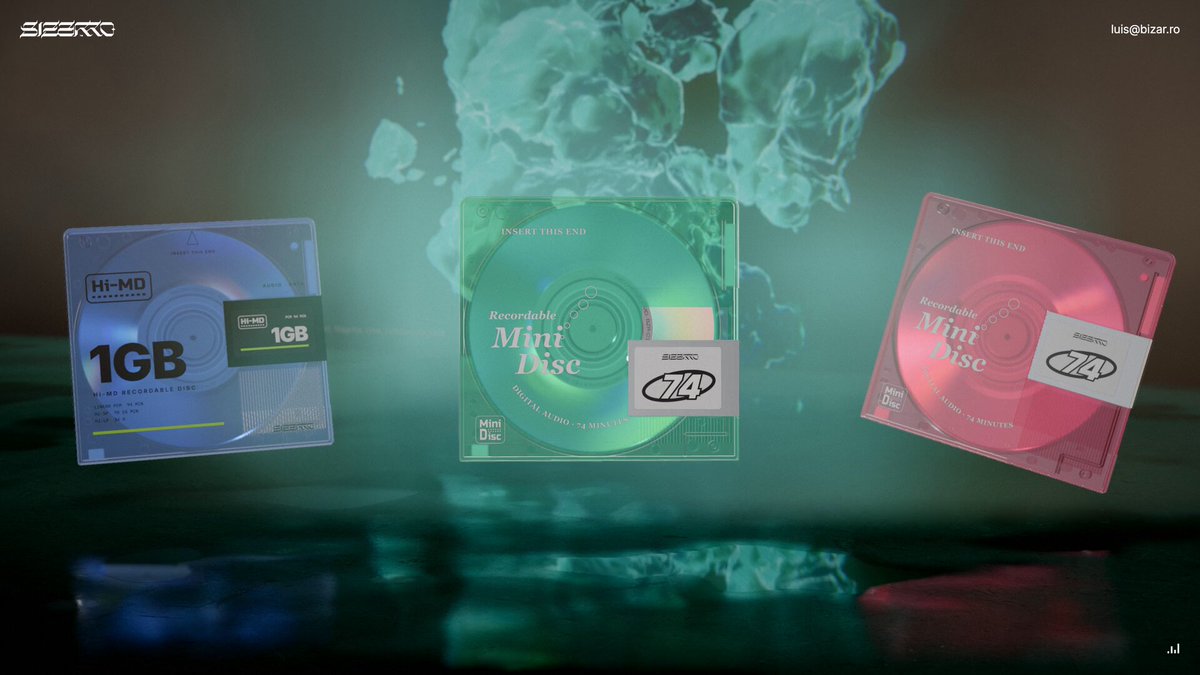
Luis Bizarro's MiniDiscs WebGL experiment with holographic shine
Nostalgic interactive CD-ROM simulation powered by native WebGL and GLSL shaders, faithfully reproducing holographic thin-film optical interference and iridescent rainbow diffraction under ambient lighting.
 47 Likes
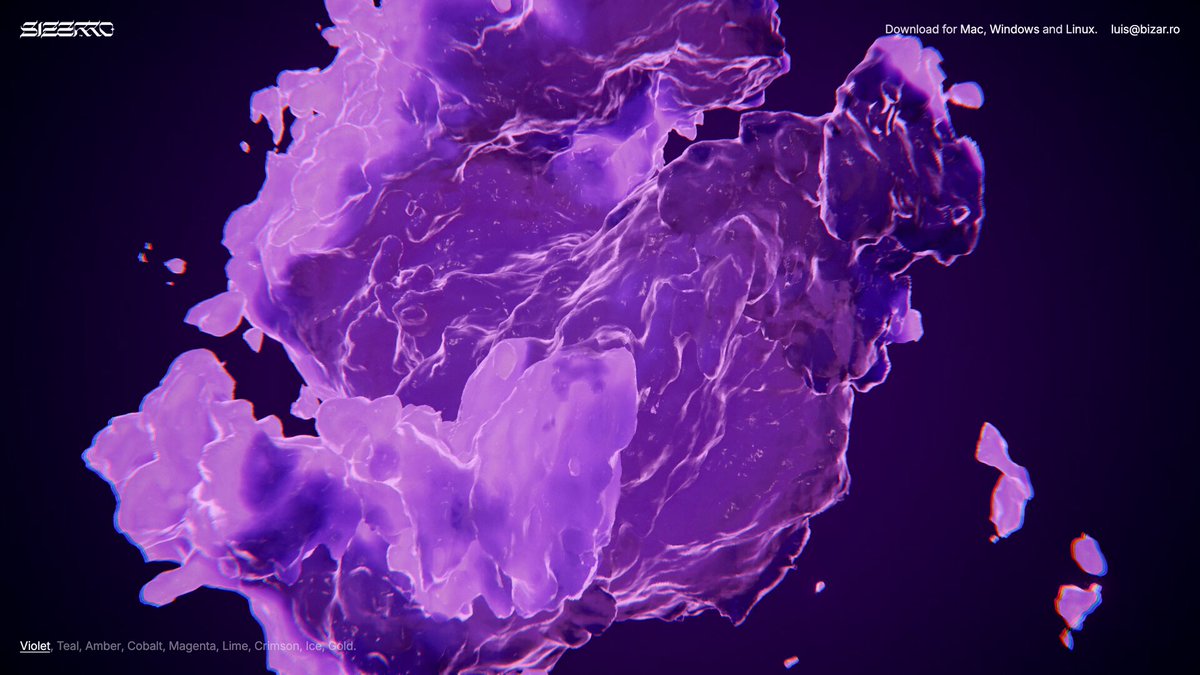
Luis Bizarro builds Gooey, a WebGPU gel with subsurface scattering
"Gooey", an interactive WebGPU and native WGSL shader experiment by Luis Bizarro, implementing realistic subsurface scattering (SSS) for a translucent, gelatinous fluid feel. Dragging the gel surface triggers spring-damped elastic deformations and tactile ripple waves. 💡 **Quick Take:** WGSL subsurface scattering meets soft-body physics, producing an irresistible, tactile jello-like interactive sensation!
 80 Likes
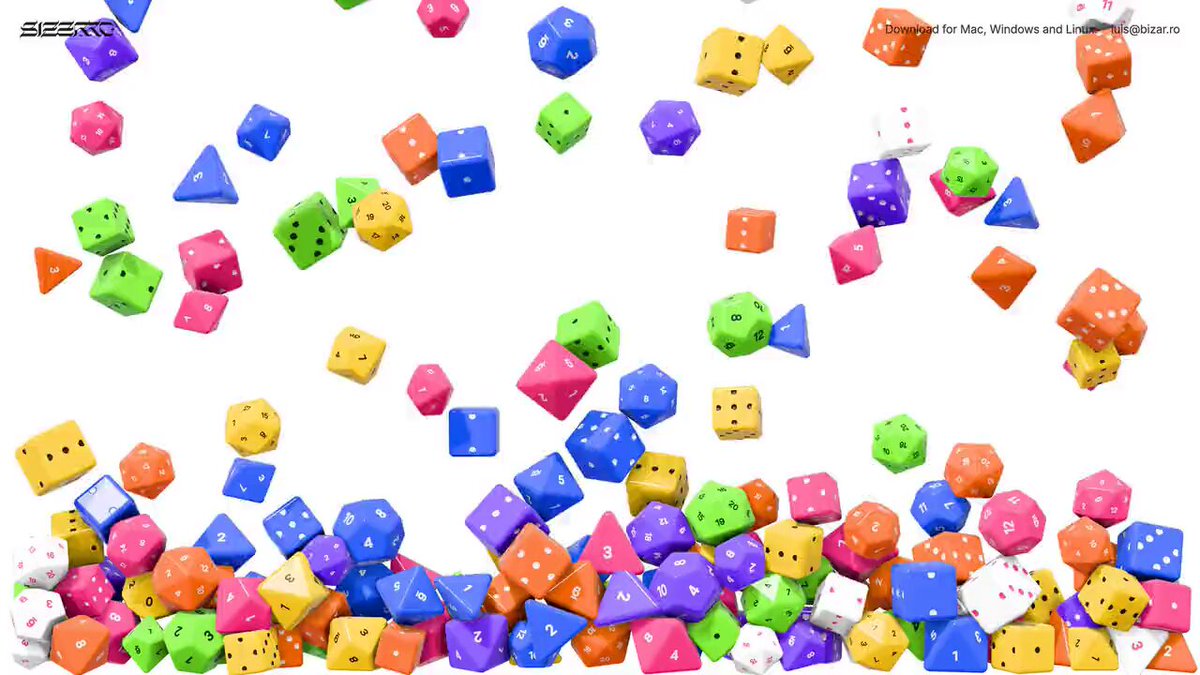
Luis Bizarro builds a GPU rigid-body cube simulation in WebGPU
Creative frontend and graphics engineer Luis Bizarro presents a GPU-driven rigid-body simulation built with WebGPU and WGSL. Focusing on dynamic 3D cube collisions and spatial bin packing, the entire pipeline—broadphase grid acceleration, narrowphase collision detection, and position Verlet integration—runs inside compute shaders, handling hundreds of falling dice with negligible CPU overhead. 💡 **Highlight:** End-to-end compute shader physics demonstrates WebGPU's immense performance advantage for compute-heavy collision dynamics.
More Three.js Shaders
Projects curated around the same time in this topic
 15 Likes
Crnacura's Seam Transitions for Codrops, a WebGL scroll study
Codrops contributor crnacura showcases 'Seam Transitions', a cutting-edge web motion study focused on the boundaries where page sections meet during scrolling. Using WebGL vertex displacement shaders, the seam dynamically stretches, ripples, and folds like organic fabric, replacing rigid horizontal dividers with continuous fluid transitions. 💡 **Highlight:** Transforming microscopic layout seams into organic, elastic canvases with lightweight shaders that lend websites a tactile, breathing feel.
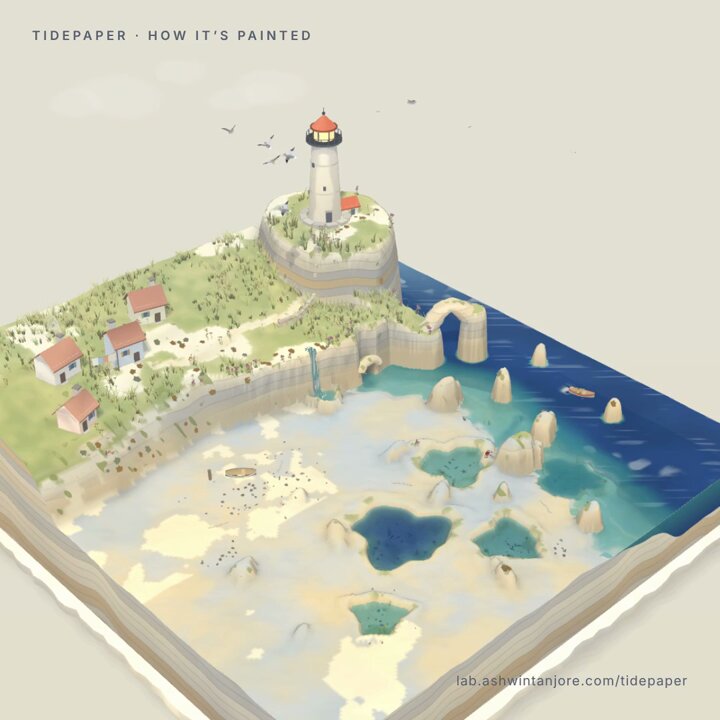
Tidepaper, an interactive watercolour coastline in the browser
Tidepaper by Ashwin Tanjore is an interactive watercolour coastline that runs in the browser: you can move the tide, change the weather and tap the tide pools. It is a single HTML file with no images; the paper, the bleed and the ink are all WebGPU shaders. He made it with Claude Opus 5.5.
 15 Likes
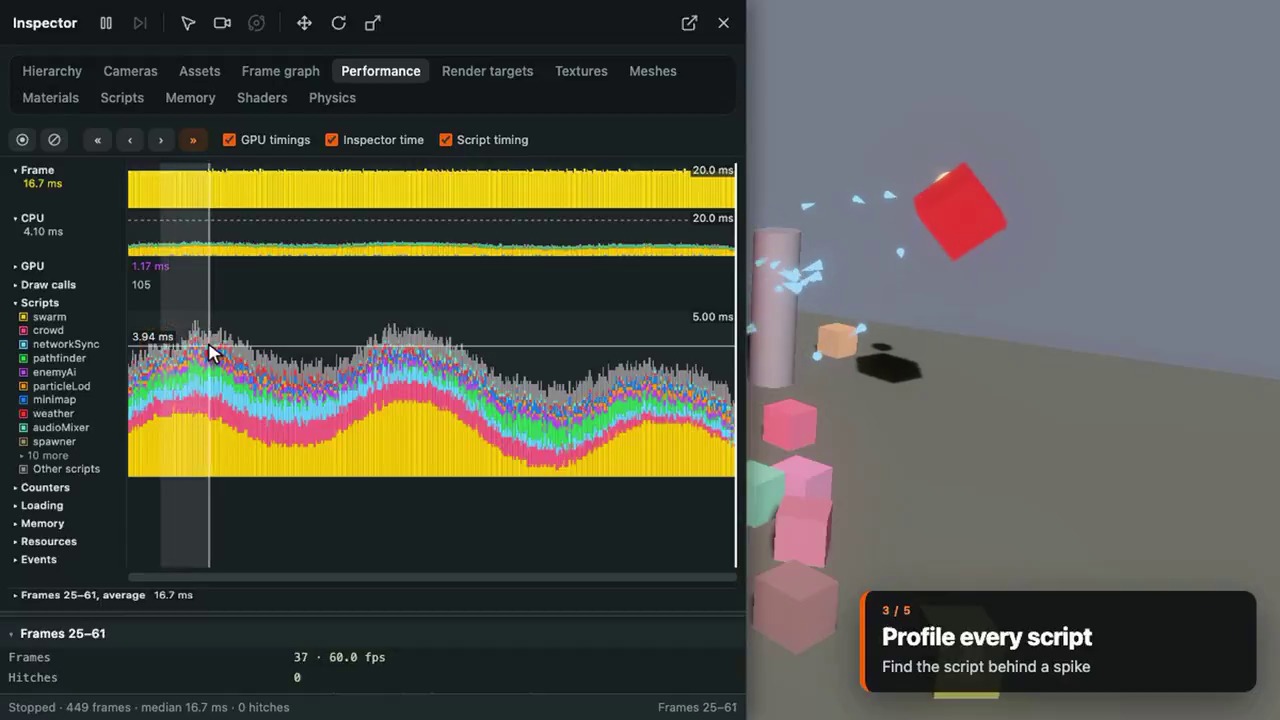
PlayCanvas adds a built-in performance profiler to its inspector
PlayCanvas VP Martin Valigursky introduces a built-in Performance Profiler inside the PlayCanvas inspector. It captures per-frame CPU and GPU timelines, tallies draw calls, tracks asset loading latencies, and renders interactive flame graphs to pinpoint script and shader bottlenecks in seconds. 💡 **Highlight:** Per-frame flame graphs and GPU workload visualization provide the missing diagnostic piece for optimizing high-end web games and 3D applications.
 1,216 Likes
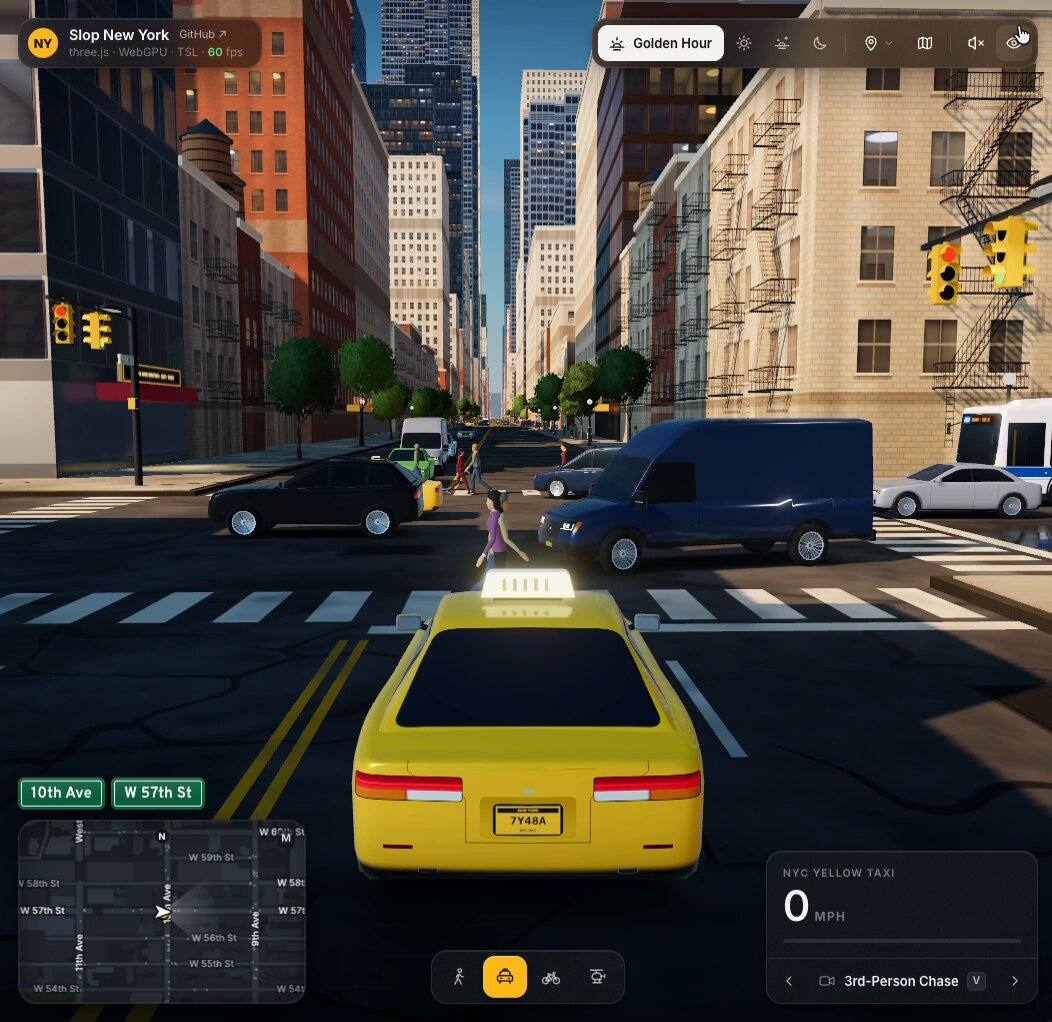
mrdoob's Slop New York, a drivable procedural Manhattan
Slop New York is mrdoob's GTA-style procedural Manhattan, from 125th Street to Battery Park, built with the Three.js WebGPURenderer and TSL. The latest version is more fun to drive around; the city and cars are generated at load time from a 2.2 MB download.
 36 Likes
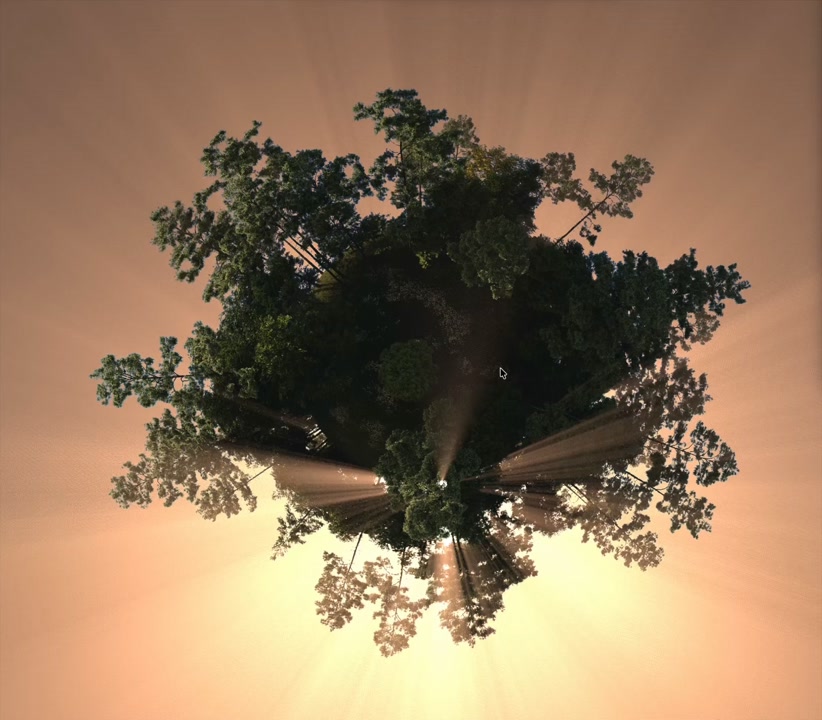
Martin Valigursky lights planets with Gaussian splats in PlayCanvas
PlayCanvas VP Martin Valigursky demonstrates volumetric planetary lighting using Gaussian Splats. Without proxy geometry, 3DGS point sets cast directly into directional shadow depth maps while interacting with atmospheric scattering shaders to generate dramatic volumetric crepuscular rays over micro-planet terrain. 💡 **Highlight:** Integrating Gaussian Splats directly into engine shadow maps and volumetric fog marks a pivotal milestone toward production-ready 3DGS gaming.
 6 Likes
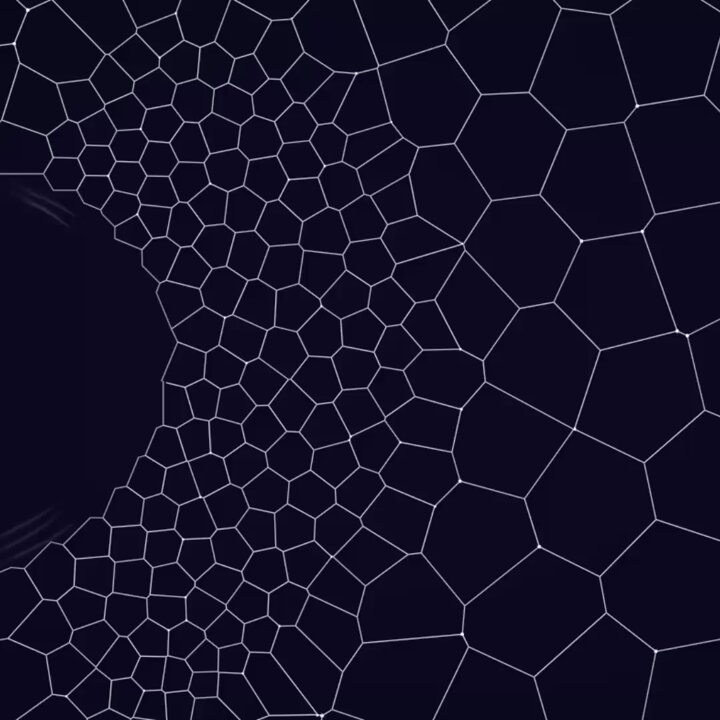
Creative WGSL Piece Built on Webgpu
Generative artist sib shares 'Flowing Cells', a creative WGSL piece built on WebGPU. Utilizing differential wave equations, the compact shader simulates organic cellular membrane deformation, diffusion, mitosis, and luminous surface oscillation within an ambient fluid medium. 💡 **Highlight:** Elegant differential calculus running in WGSL compute transforms abstract math into a pulsating, living microscopic realm.
 26 Likes
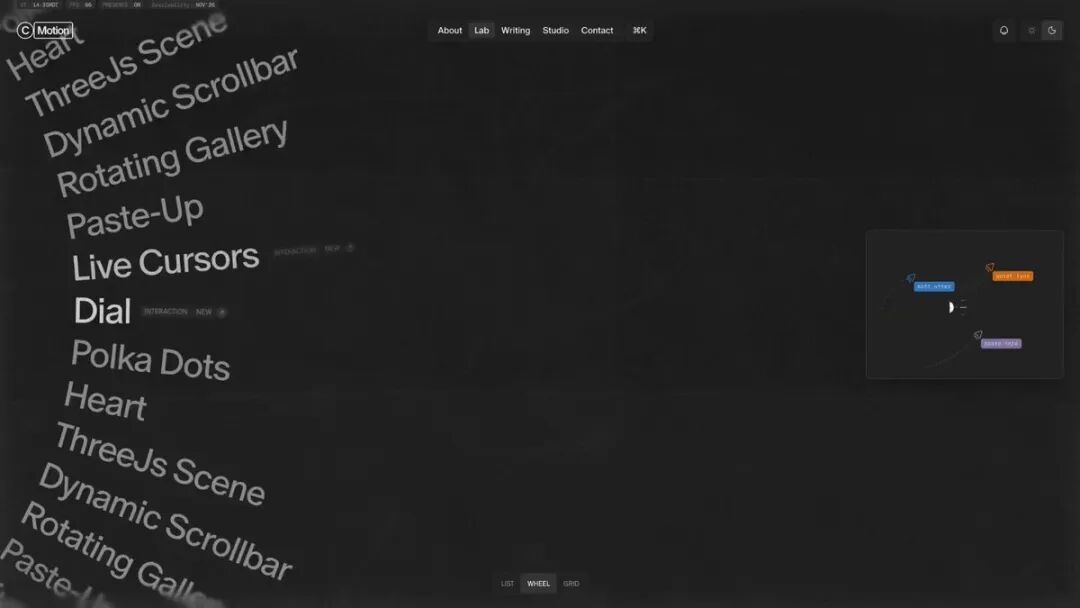
GSAP highlights Carter Ogunsola's portfolio with WebGL fluid shaders
GSAP highlights Carter Ogunsola's avant-garde portfolio site, orchestrating GSAP ScrollTrigger, Flip layout transitions, and Three.js WebGL fluid displacement shaders. Blending editorial magazine typography with 3D fluid distortions, the layout creates a tactile, responsive browsing experience. 💡 **Highlight:** A masterclass in merging GSAP scroll timelines with Three.js fluid shaders, setting a premier benchmark for creative brand typography.
 22 Likes
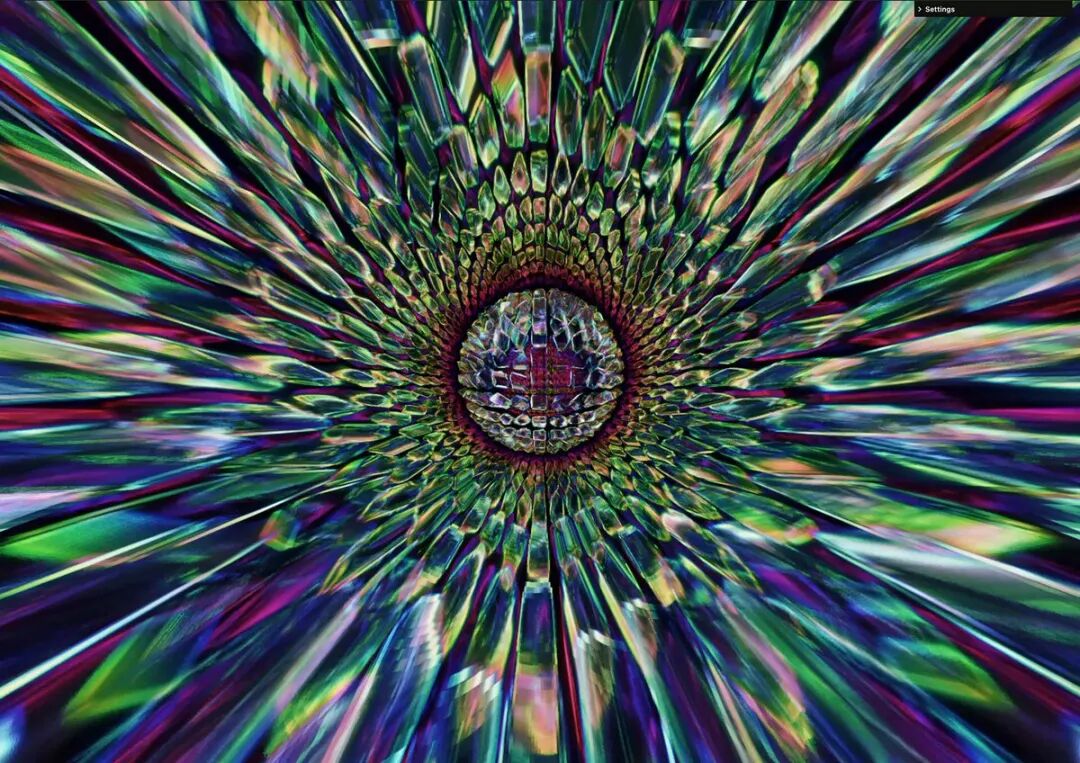
Japanese Shader Artist Sabosugi Publishes 'Inside Neon Crystals'
Japanese shader artist sabosugi publishes 'Inside Neon Crystals' on CodePen, an optical raymarching study written in GLSL. Computing internal total reflections and chromatic absorption across high-refractive crystal facets, luminous neon tubes cast ethereal glow against dark geometric prisms. 💡 **Highlight:** Open-source raymarching total internal reflections inside faceted crystals on CodePen offer an invaluable resource for learning optical shaders.
Related Three.js Examples
More projects that share this one's topics
 23 Likes
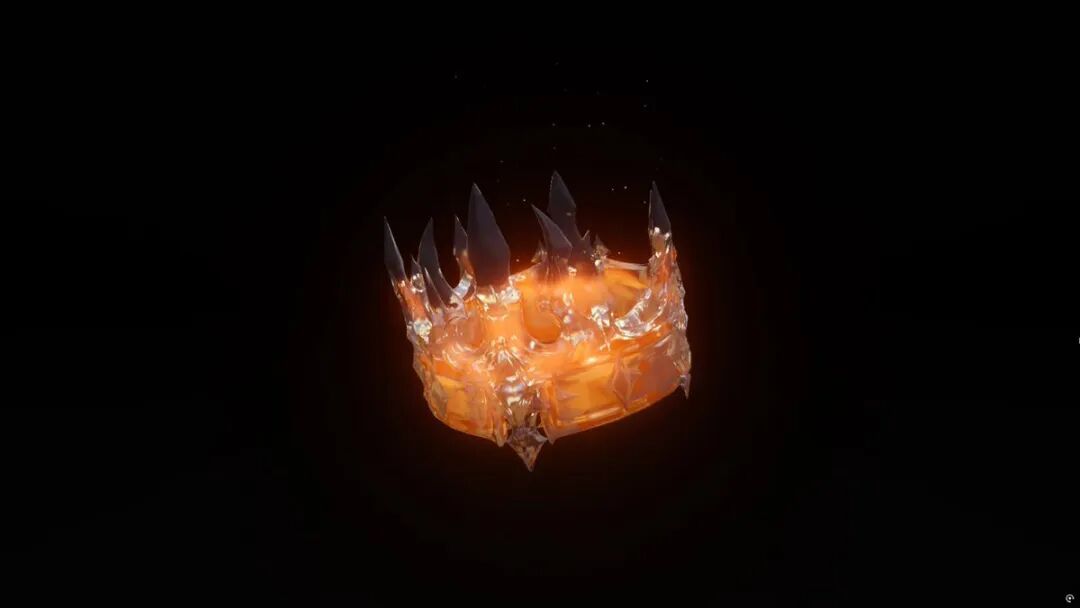
Mike Fernandez's A Crown of Ice and Fire, an SDF shader in WebGPU
- **Overview**: Developer Mike Fernandez unveiled A Crown of Ice and Fire, a shader artwork utilizing three-mesh-bvh to dynamically construct GPU-side signed distance fields (SDF). Coupled with a WebGPU pipeline, it computes physical collision attenuation, chromatic dispersion, and particle scattering between interacting flame and frost halos. - **Highlight**: A visual tour de force of signed distance fields: three-mesh-bvh and WebGPU deliver breathtaking kinetic radiance. - **Project Link**: https://mikefernandez-pro.github.io/a-crown-of-ice-and-fire
 101 Likes
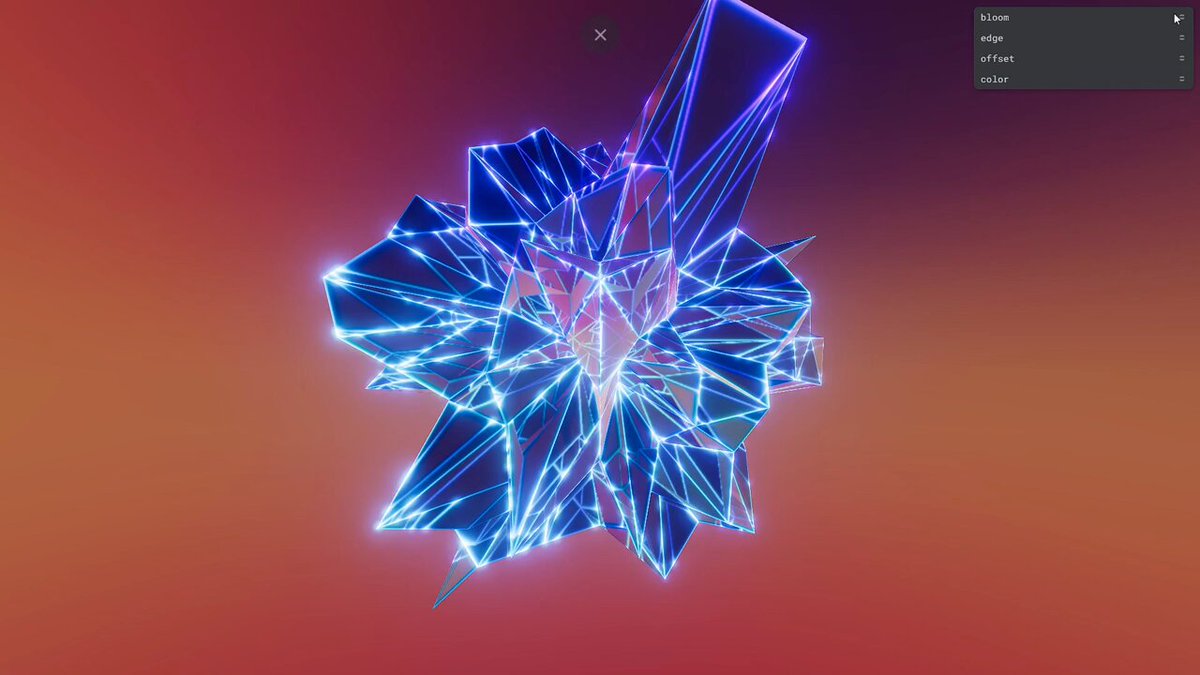
Glow Crystal: Bloom and Grass Materials in Three.js WebGPU TSL
glow Crystal I have glow, I have grass Material, boom, glow crystal, ppap. online: https://yufengjie97.github.io/three-demo/webgpu/glow-crystal/ #threejs #tsl #glow #crystal #bloom #webgpu
 358 Likes
Spark Engineering Team Introduces Spark Radix, an Experimental
WebVR pioneer Diego Marcos introduces Spark Radix, an experimental WebGPU 3D Gaussian Splatting engine architected to integrate seamlessly with Three.js. Radix bridges neural radiance representations with standard scene-graph pipelines, letting web developers render high-fidelity real-world scans directly in browsers. 💡 **Highlight:** Native Three.js compatibility drastically lowers the barrier for web developers adopting 3D Gaussian Splatting.
 1,913 Likes
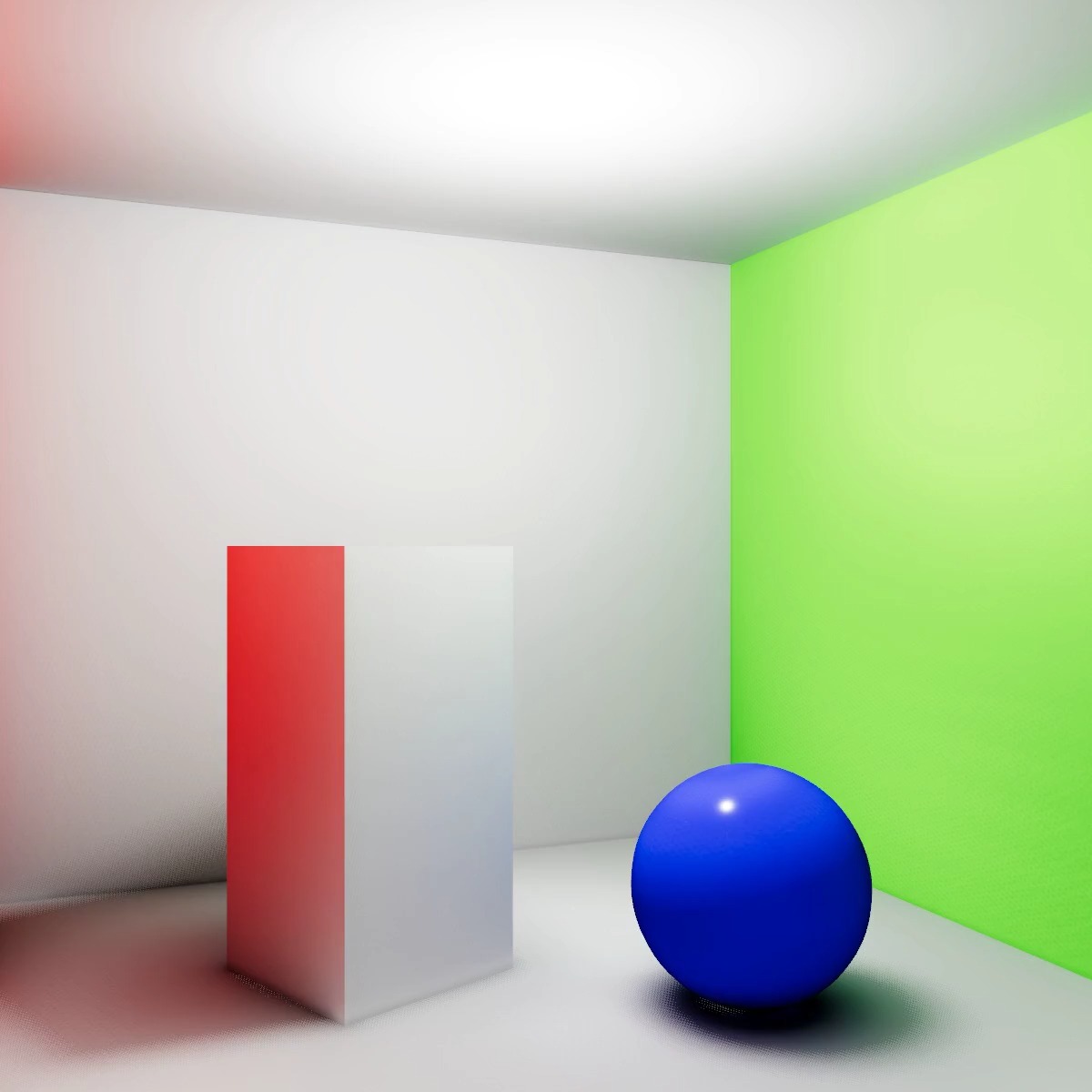
Three.js Official Release R187
Milestone Three.js r187 release introducing native Meshlet geometry pipeline, overhauled WebGPU node materials, and TSL syntax upgrades for high-poly scenes.