
Luis Bizarro builds a GPU rigid-body cube simulation in WebGPU
By @LuisBizarro • Curated • 80 likes on X
 Open Live Demo ↗
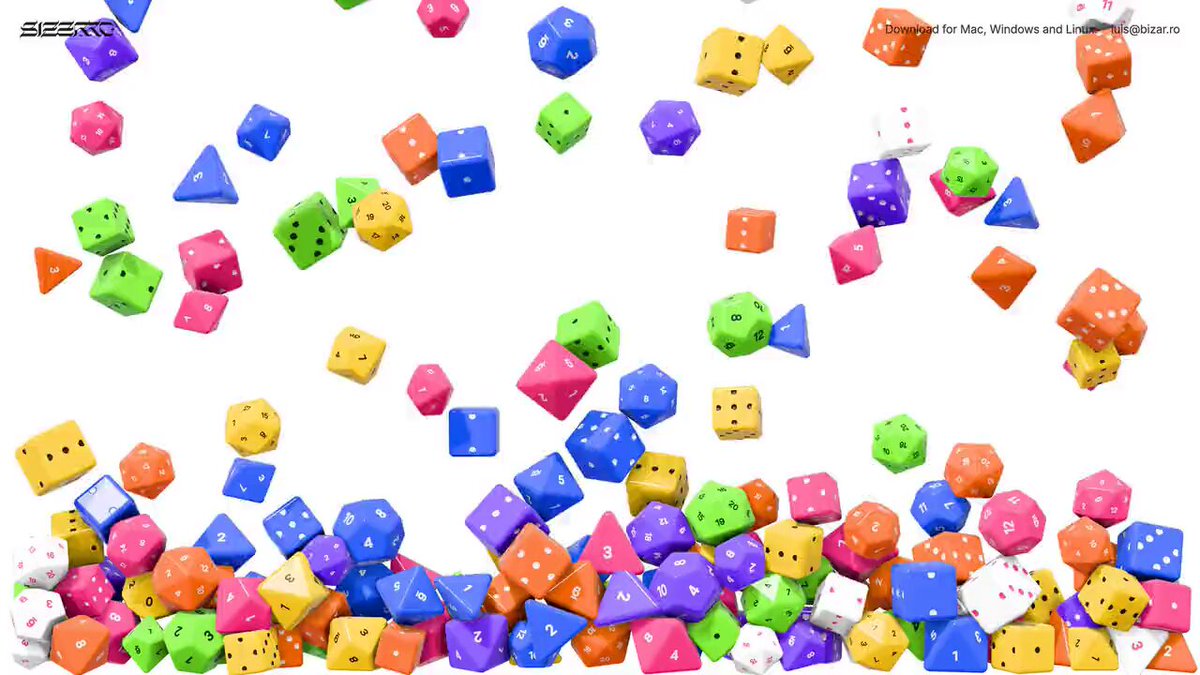
Creative frontend and graphics engineer Luis Bizarro presents a GPU-driven rigid-body simulation built with WebGPU and WGSL. Focusing on dynamic 3D cube collisions and spatial bin packing, the entire pipeline—broadphase grid acceleration, narrowphase collision detection, and position Verlet integration—runs inside compute shaders, handling hundreds of falling dice with negligible CPU overhead.
💡 **Highlight:** End-to-end compute shader physics demonstrates WebGPU's immense performance advantage for compute-heavy collision dynamics.
More from @LuisBizarro
Other projects by Luis Bizarro
 48 Likes
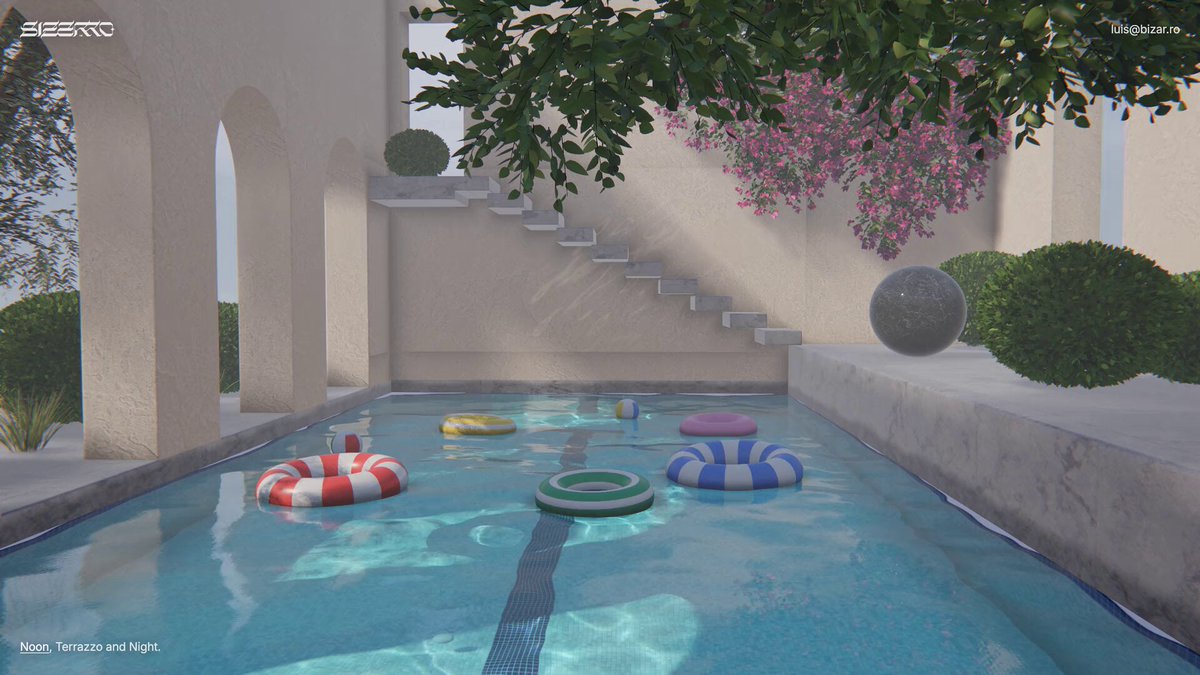
Luis Bizarro builds a digital pool party experiment in WebGPU
An immersive digital pool party powered by WebGPU and native WGSL shaders, featuring hyper-realistic underwater caustics, dynamic wave ripple displacement, and physical reflection-refraction optics.
 117 Likes
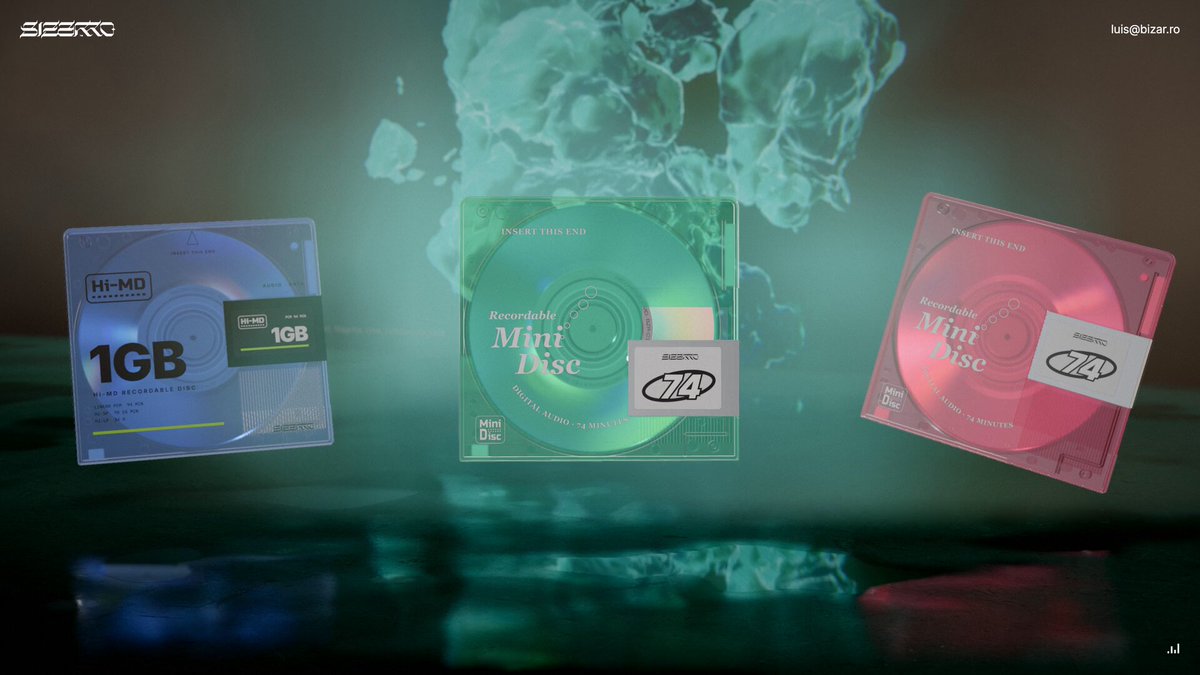
Luis Bizarro's MiniDiscs WebGL experiment with holographic shine
Nostalgic interactive CD-ROM simulation powered by native WebGL and GLSL shaders, faithfully reproducing holographic thin-film optical interference and iridescent rainbow diffraction under ambient lighting.
 47 Likes
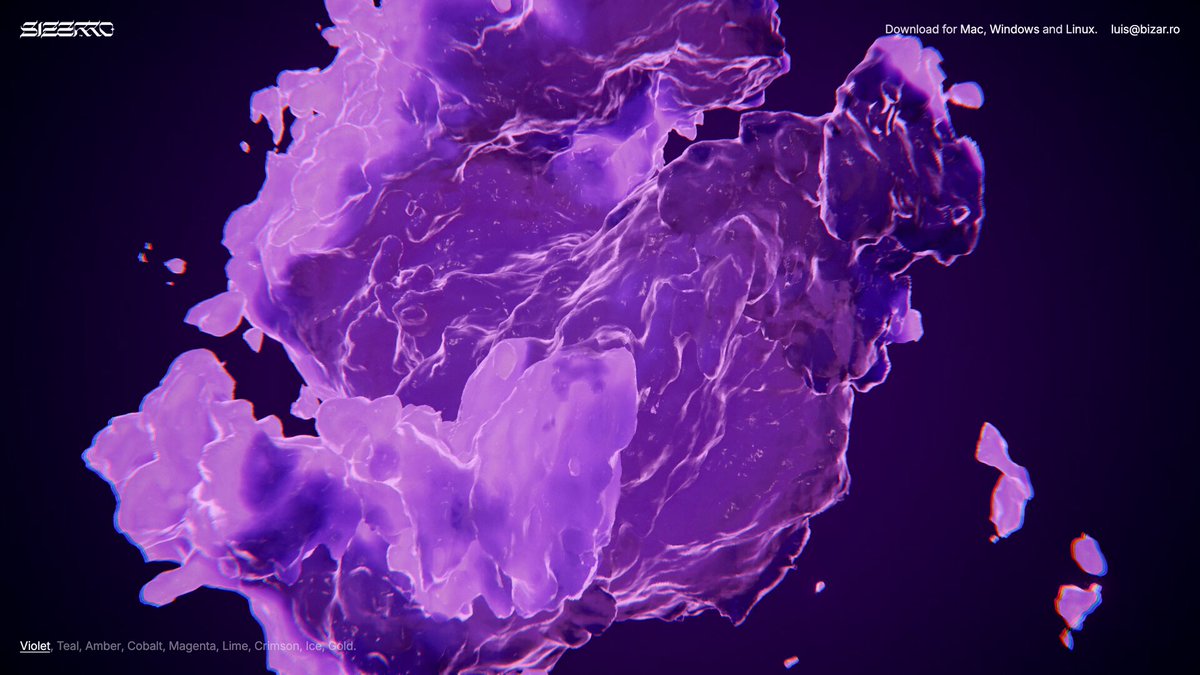
Luis Bizarro builds Gooey, a WebGPU gel with subsurface scattering
"Gooey", an interactive WebGPU and native WGSL shader experiment by Luis Bizarro, implementing realistic subsurface scattering (SSS) for a translucent, gelatinous fluid feel. Dragging the gel surface triggers spring-damped elastic deformations and tactile ripple waves. 💡 **Quick Take:** WGSL subsurface scattering meets soft-body physics, producing an irresistible, tactile jello-like interactive sensation!
 122 Likes
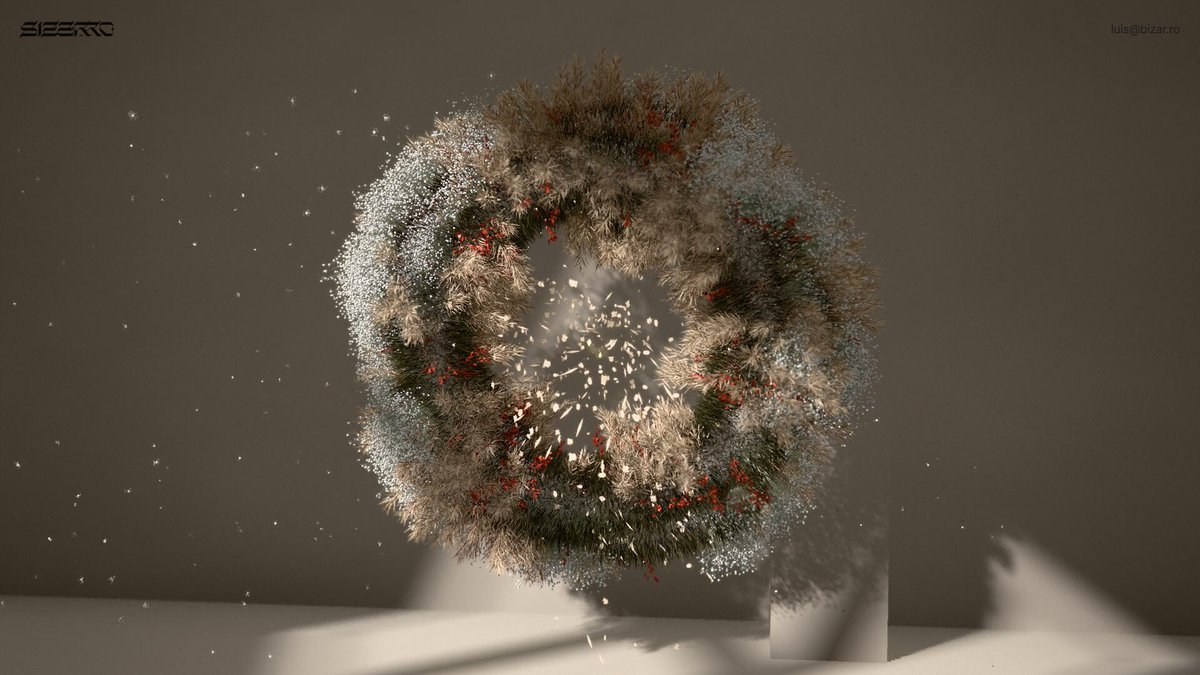
Luis Bizarro's photorealistic nature study in WebGPU and WGSL
Creative coder Luis Bizarro unveils a photorealistic nature rendering study driven by WebGPU and WGSL. Simulating blooming petals, wind-blown grass blades, contact shadows, and suspended airborne dust particles, the native WGSL pipeline captures the golden warmth of an afternoon garden. 💡 **Highlight:** Seamless coordination between WebGPU compute shaders and graphics pipelines simulates thousands of oscillating foliage blades with atmospheric lighting.
More Three.js Shaders
Projects curated around the same time in this topic
 37 Likes
Codrops Lookbook Hover Effects: 8 WebGL Hover Interactions
"Lookbook Hover Effects" open-sourced by Codrops, featuring 8 distinct WebGL hover interactions tailored for fashion catalogs. Moving over cards triggers fluid liquid-glass distortion, realistic paper tearing with curling peels, or cathode-ray TV static transitions, fusing GSAP easing with custom fragment shaders. 💡 **Quick Take:** Liquid glass, curling paper peels, and retro cathode-ray static: Codrops elevates e-commerce lookbook hover micro-interactions to gallery-level digital art.
 16 Likes
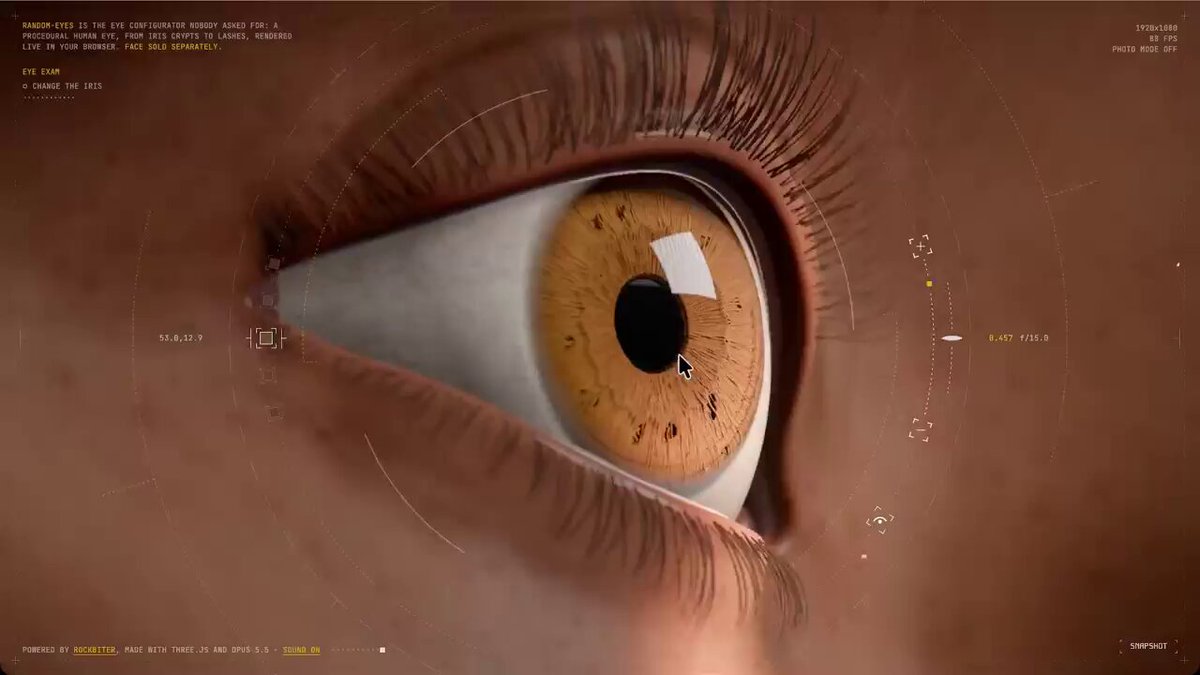
Hyper-realistic eye rendering with raymarched irises in the browser
Hyper-realistic ocular rendering in the browser by graphics specialist Gianluca Lomarco. Abandoning flat texture tricks, it renders a true 3D volumetric iris via raymarching through micro-fibers, calculating physically accurate dual-surface corneal refractions. 💡 **Quick Take:** Dispensing with flat texture shortcuts, volumetric raymarching and dual corneal refractions capture the very soul of the eye in a masterwork of web graphics.
 8 Likes
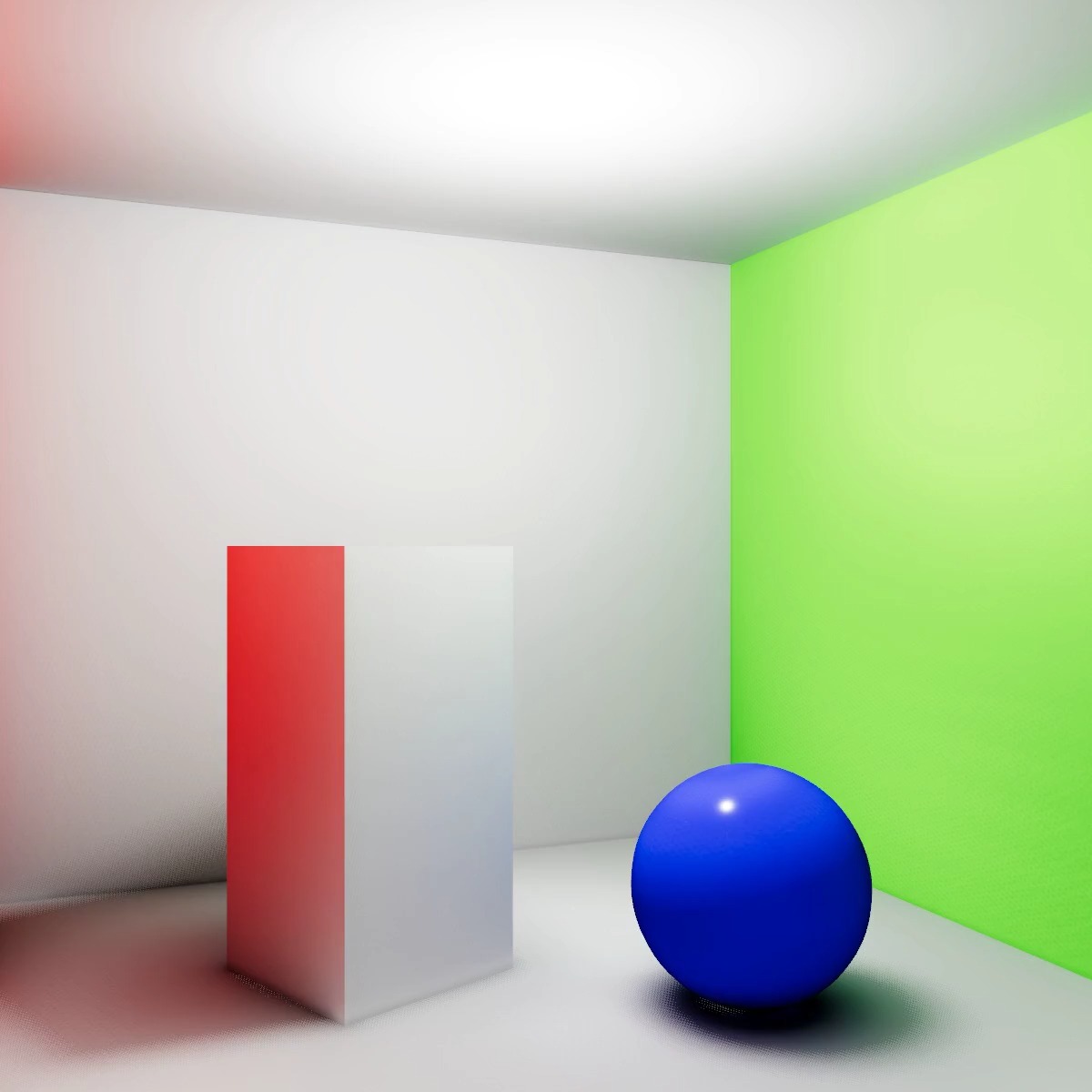
DesignPass, a library of 3D and WebGL UI components for React
A curated spotlight on DesignPass, an online UI component repository tailored for Next.js and React ecosystems. It features a rich collection of 3D and WebGL motion components—from interactive 3D micro-interaction buttons to immersive fluid simulation backgrounds. Developers can tweak shader parameters and lighting angles in real time in the browser, then copy production-ready shader and component code with a single click. 💡 **Highlight:** A WYSIWYG WebGL creative component toolkit that seamlessly brings complex 3D fluids and custom shaders into modern React workflows.
 1,913 Likes
Three.js Official Release R187
Milestone Three.js r187 release introducing native Meshlet geometry pipeline, overhauled WebGPU node materials, and TSL syntax upgrades for high-poly scenes.
 24 Likes
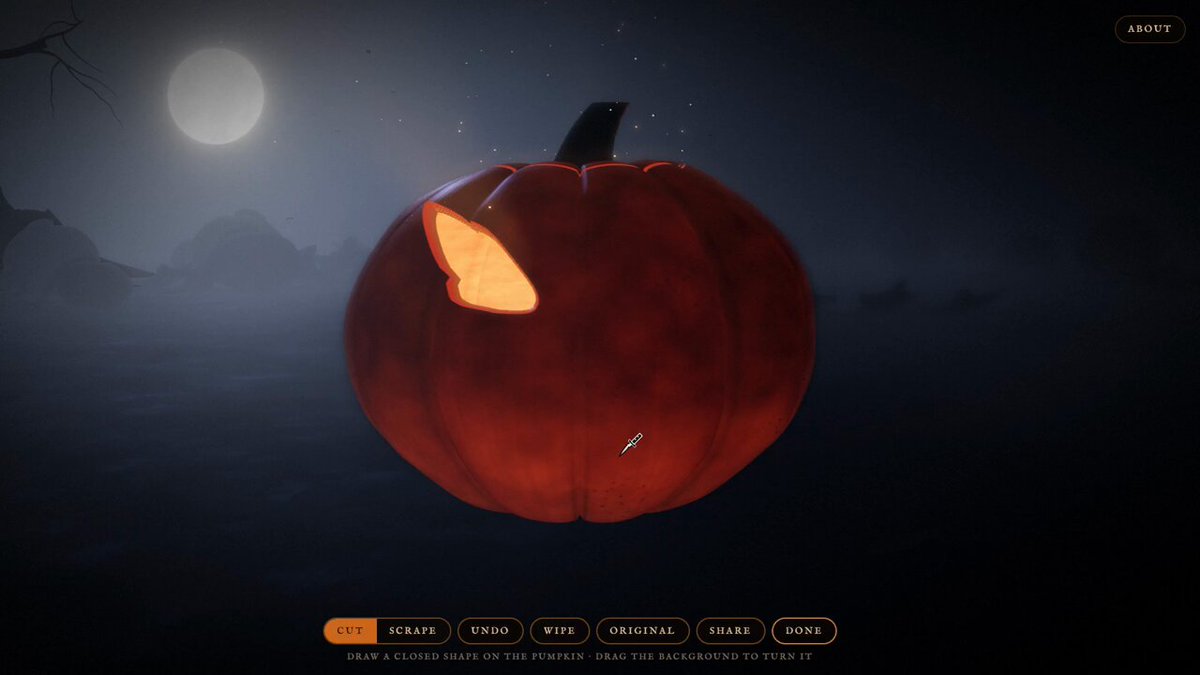
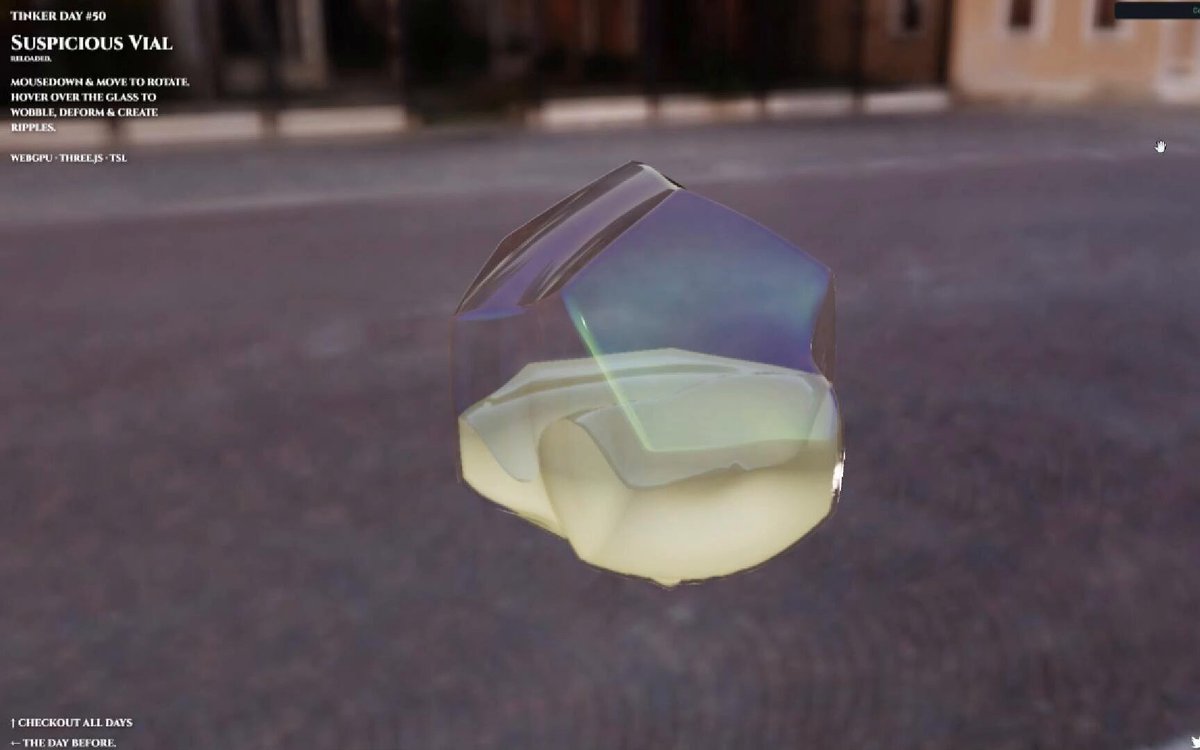
Jake Whiteley's pumpkin-carving experiment with WebGPU TSL
An interactive Halloween pumpkin-carving experiment powered by Three.js, WebGPU TSL shaders, and three-bvh-csg. Users can carve custom cuts and perforations into the pumpkin mesh in real time, with inner candlelight immediately streaming through newly hollowed geometry. 💡 **Highlight:** High-performance Constructive Solid Geometry (CSG) booleans running under WebGPU merge festive seasonal fun with cutting-edge real-time mesh carving.
 20 Likes
Classic Pure-glsl Potion Bottle Shader Modernized into WebGPU
A classic pure-GLSL potion bottle shader modernized into WebGPU using Three Shading Language (TSL). The port improves upon the original with thick glass surface refraction, spring-damped wobble elasticity, and buoyant liquid sloshing dynamics. 💡 **Highlight:** A textbook demonstration of migrating legacy GLSL into modular node-based TSL shaders, delivering rich dielectric refraction and fluid momentum.
 16 Likes
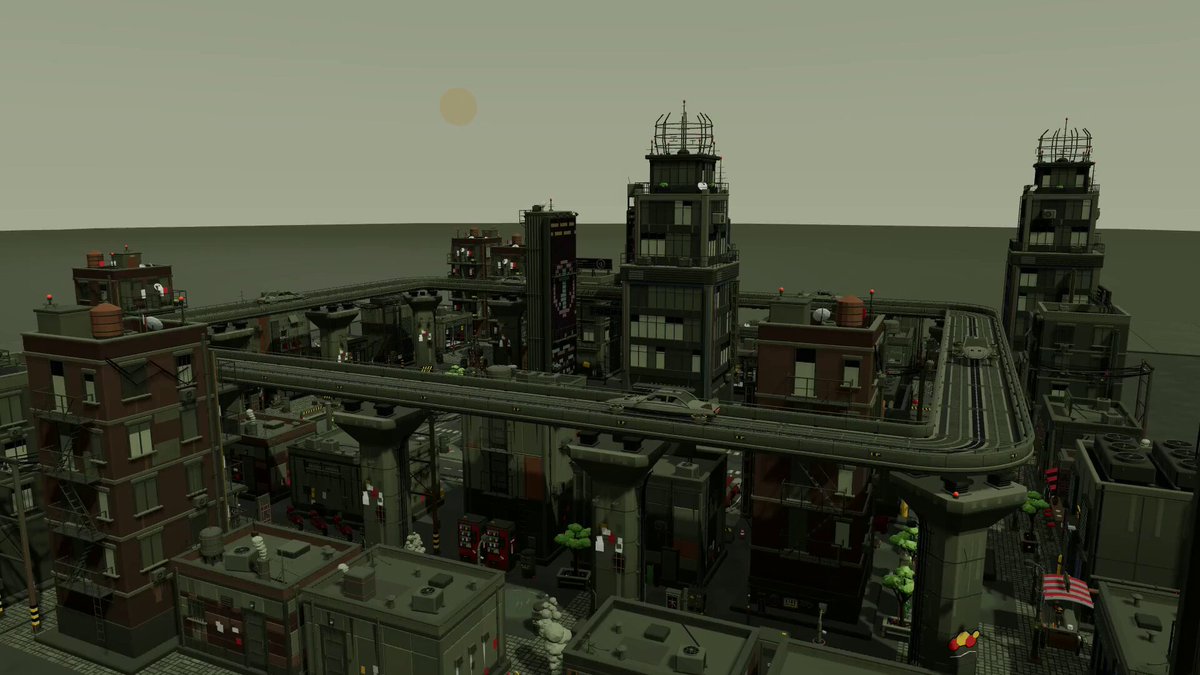
ThreeJS Assets builds a cyberpunk kit with neon but no bloom pass
The Three.js Assets team unveils an optimized cyberpunk 3D kit designed specifically for WebGL. Instead of relying on expensive full-screen post-processing bloom passes, each neon tube, window emission, and billboard display is modeled with carefully tuned emissive geometry and falloff gradients. 💡 **Highlight:** Replacing costly bloom passes with geometry-based emission techniques provides a battery-friendly, high-performance cyberpunk nightscape for low-end and mobile devices.
 15 Likes
Crnacura's Seam Transitions for Codrops, a WebGL scroll study
Codrops contributor crnacura showcases 'Seam Transitions', a cutting-edge web motion study focused on the boundaries where page sections meet during scrolling. Using WebGL vertex displacement shaders, the seam dynamically stretches, ripples, and folds like organic fabric, replacing rigid horizontal dividers with continuous fluid transitions. 💡 **Highlight:** Transforming microscopic layout seams into organic, elastic canvases with lightweight shaders that lend websites a tactile, breathing feel.
Related Three.js Examples
More projects that share this one's topics
 23 Likes
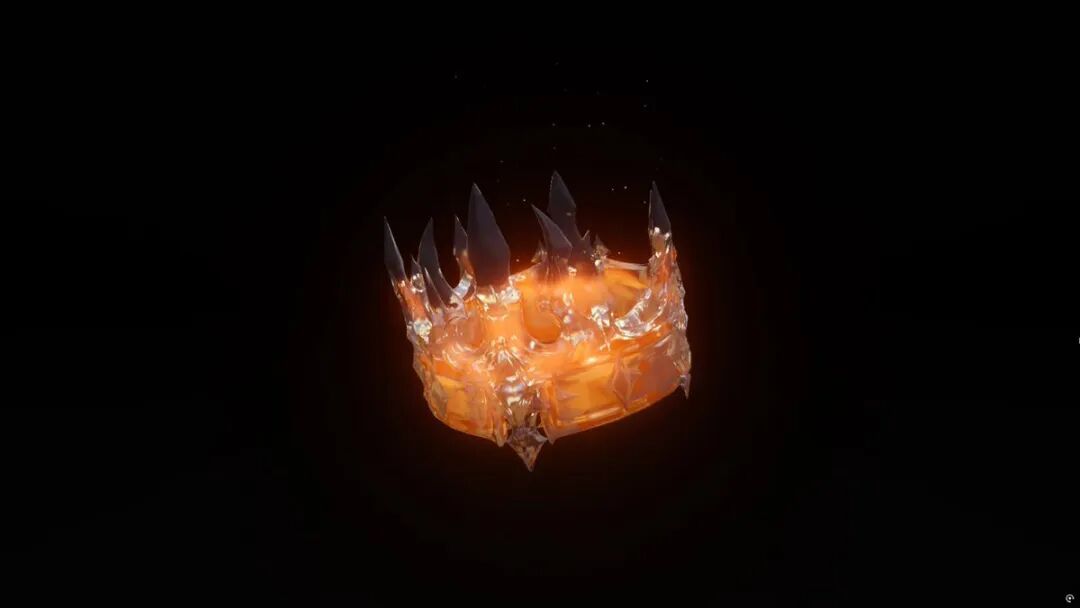
Mike Fernandez's A Crown of Ice and Fire, an SDF shader in WebGPU
- **Overview**: Developer Mike Fernandez unveiled A Crown of Ice and Fire, a shader artwork utilizing three-mesh-bvh to dynamically construct GPU-side signed distance fields (SDF). Coupled with a WebGPU pipeline, it computes physical collision attenuation, chromatic dispersion, and particle scattering between interacting flame and frost halos. - **Highlight**: A visual tour de force of signed distance fields: three-mesh-bvh and WebGPU deliver breathtaking kinetic radiance. - **Project Link**: https://mikefernandez-pro.github.io/a-crown-of-ice-and-fire
 6 Likes
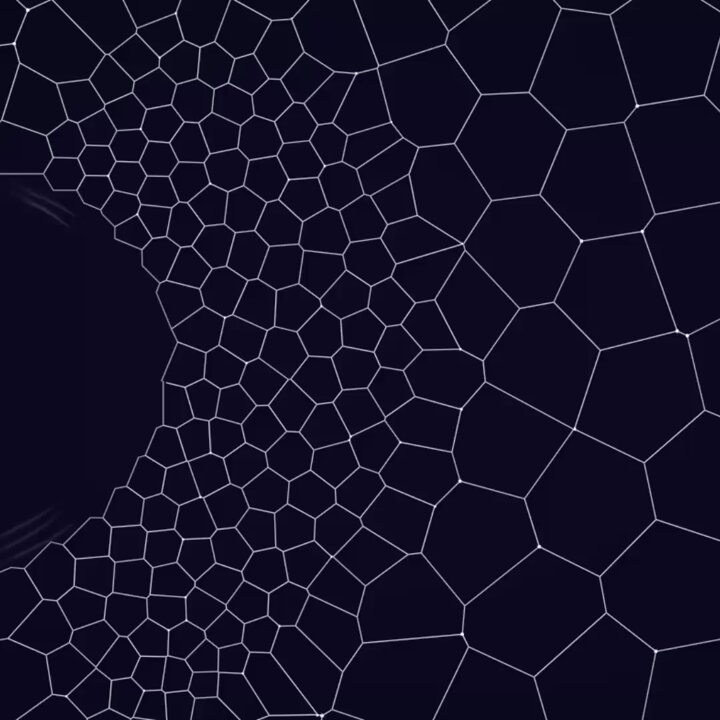
Creative WGSL Piece Built on Webgpu
Generative artist sib shares 'Flowing Cells', a creative WGSL piece built on WebGPU. Utilizing differential wave equations, the compact shader simulates organic cellular membrane deformation, diffusion, mitosis, and luminous surface oscillation within an ambient fluid medium. 💡 **Highlight:** Elegant differential calculus running in WGSL compute transforms abstract math into a pulsating, living microscopic realm.
 14 Likes
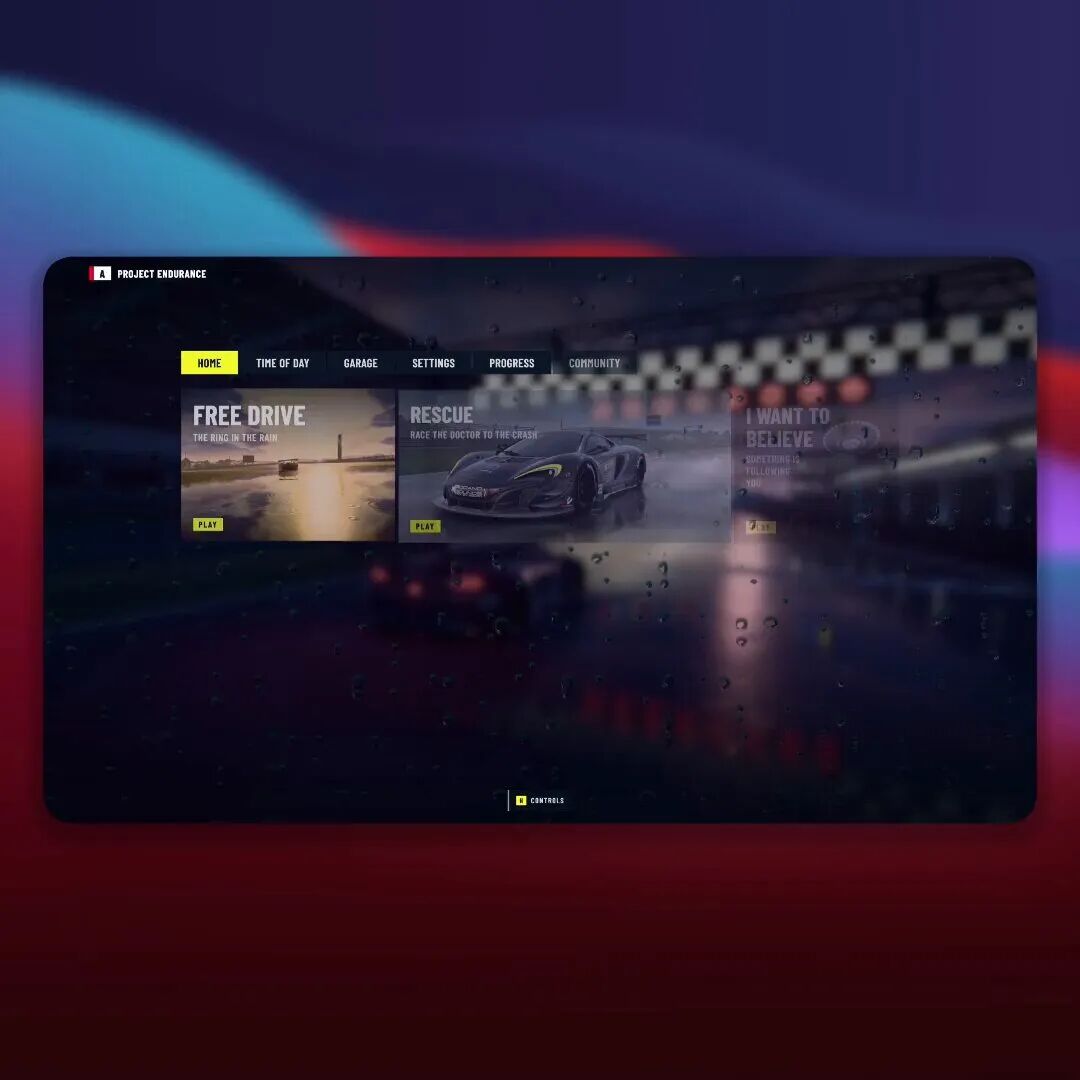
Anderson Mancini's Project Endurance, a GT3 racetrack in WebGPU
Celebrated Web3D creator Anderson Mancini unveiled Project Endurance, recreating a rain-drenched GT3 racetrack directly inside a single browser tab. Built upon Three.js, WebGPU, TSL (Three.js Shading Language), and the Rapier physics engine, it renders hyper-realistic dynamic rain spray, wet asphalt reflections, and tire grip physics. 💡 **Highlight:** The graphical high-water mark for web-based racing, where WebGPU and TSL compute shaders fully unleash wet-surface physically based reflections.
 18 Likes
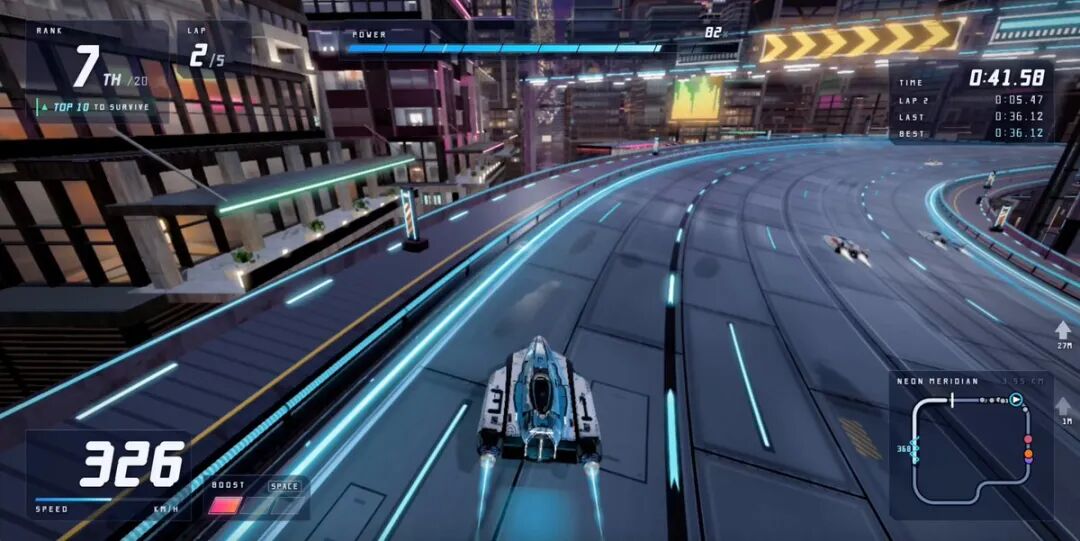
Andrew Blumson's Zero-G, a high-speed zero-gravity racer in WebGPU
Crafted with WebGPU, Three.js, and Blender, Zero-G is a high-speed zero-gravity sci-fi racer. This release opens the first fully playable track, featuring corkscrew magnetic tubes, antigravity boost strips, emissive bloom shaders, and ground-skimming particle ribbons, with five additional worlds under active construction. 💡 **Highlight:** Next-gen WebGPU speed demon delivering rock-solid framerates, razor-sharp textures, and blistering post-processing glows.