
Creative WGSL Piece Built on Webgpu
By @sib • Curated • 6 likes on X
 Open Live Demo ↗
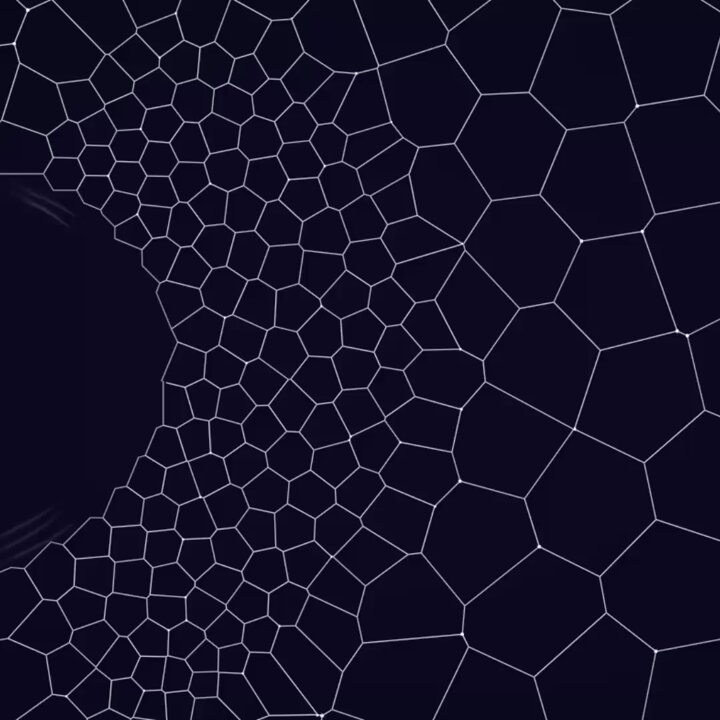
Generative artist sib shares 'Flowing Cells', a creative WGSL piece built on WebGPU. Utilizing differential wave equations, the compact shader simulates organic cellular membrane deformation, diffusion, mitosis, and luminous surface oscillation within an ambient fluid medium.
💡 **Highlight:** Elegant differential calculus running in WGSL compute transforms abstract math into a pulsating, living microscopic realm.
More Three.js Shaders
Projects curated around the same time in this topic
 15 Likes
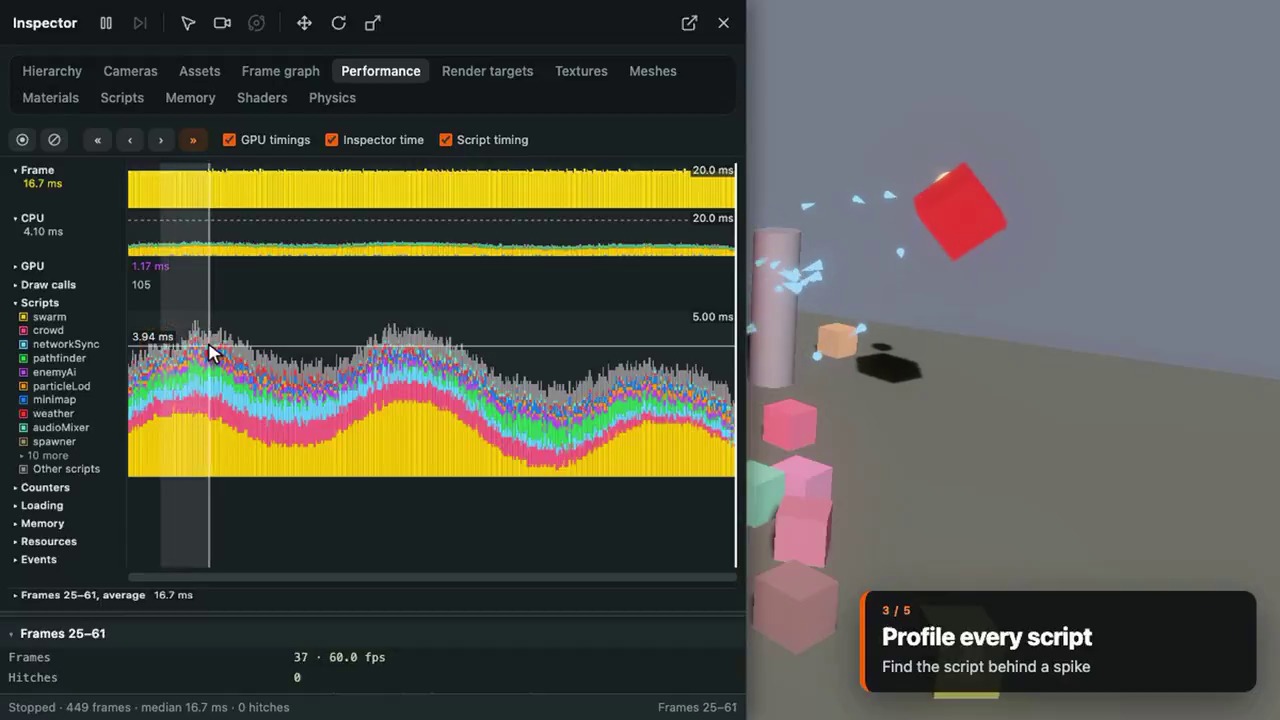
PlayCanvas adds a built-in performance profiler to its inspector
PlayCanvas VP Martin Valigursky introduces a built-in Performance Profiler inside the PlayCanvas inspector. It captures per-frame CPU and GPU timelines, tallies draw calls, tracks asset loading latencies, and renders interactive flame graphs to pinpoint script and shader bottlenecks in seconds. 💡 **Highlight:** Per-frame flame graphs and GPU workload visualization provide the missing diagnostic piece for optimizing high-end web games and 3D applications.
 1,216 Likes
mrdoob's Slop New York, a drivable procedural Manhattan
Slop New York is mrdoob's GTA-style procedural Manhattan, from 125th Street to Battery Park, built with the Three.js WebGPURenderer and TSL. The latest version is more fun to drive around; the city and cars are generated at load time from a 2.2 MB download.
 122 Likes
Luis Bizarro's photorealistic nature study in WebGPU and WGSL
Creative coder Luis Bizarro unveils a photorealistic nature rendering study driven by WebGPU and WGSL. Simulating blooming petals, wind-blown grass blades, contact shadows, and suspended airborne dust particles, the native WGSL pipeline captures the golden warmth of an afternoon garden. 💡 **Highlight:** Seamless coordination between WebGPU compute shaders and graphics pipelines simulates thousands of oscillating foliage blades with atmospheric lighting.
 36 Likes
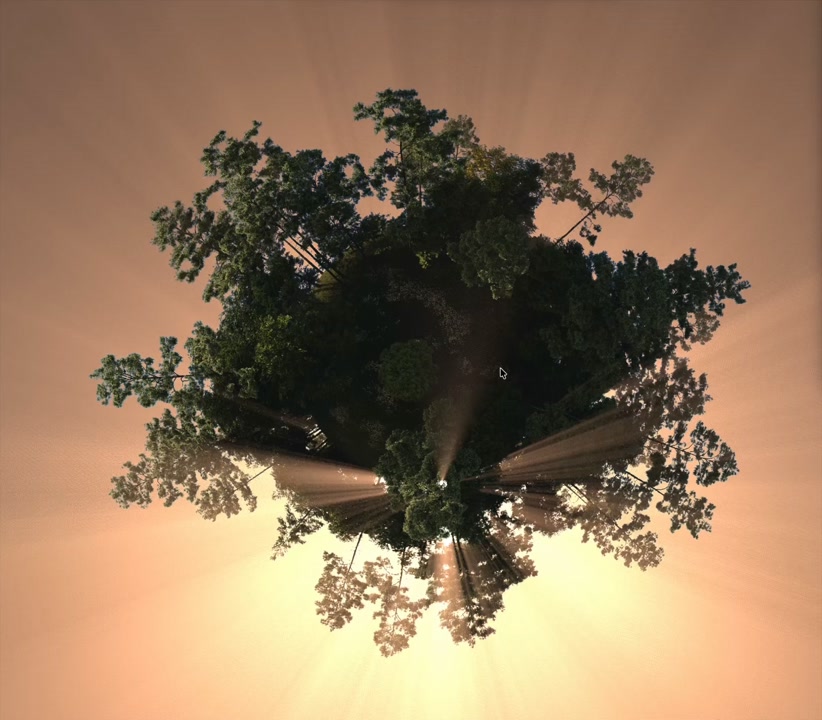
Martin Valigursky lights planets with Gaussian splats in PlayCanvas
PlayCanvas VP Martin Valigursky demonstrates volumetric planetary lighting using Gaussian Splats. Without proxy geometry, 3DGS point sets cast directly into directional shadow depth maps while interacting with atmospheric scattering shaders to generate dramatic volumetric crepuscular rays over micro-planet terrain. 💡 **Highlight:** Integrating Gaussian Splats directly into engine shadow maps and volumetric fog marks a pivotal milestone toward production-ready 3DGS gaming.
 26 Likes
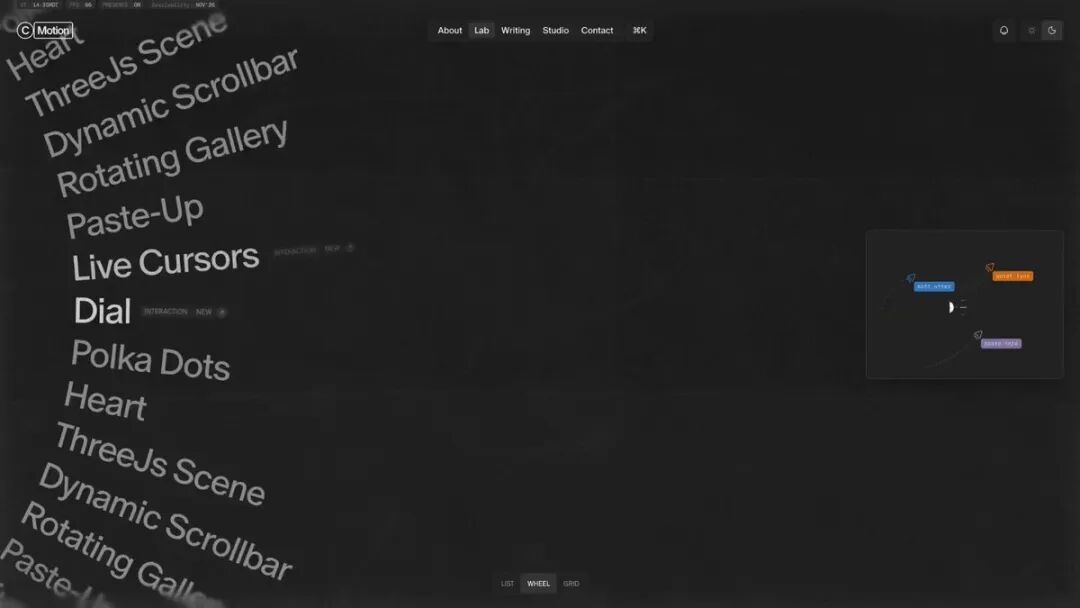
GSAP highlights Carter Ogunsola's portfolio with WebGL fluid shaders
GSAP highlights Carter Ogunsola's avant-garde portfolio site, orchestrating GSAP ScrollTrigger, Flip layout transitions, and Three.js WebGL fluid displacement shaders. Blending editorial magazine typography with 3D fluid distortions, the layout creates a tactile, responsive browsing experience. 💡 **Highlight:** A masterclass in merging GSAP scroll timelines with Three.js fluid shaders, setting a premier benchmark for creative brand typography.
 22 Likes
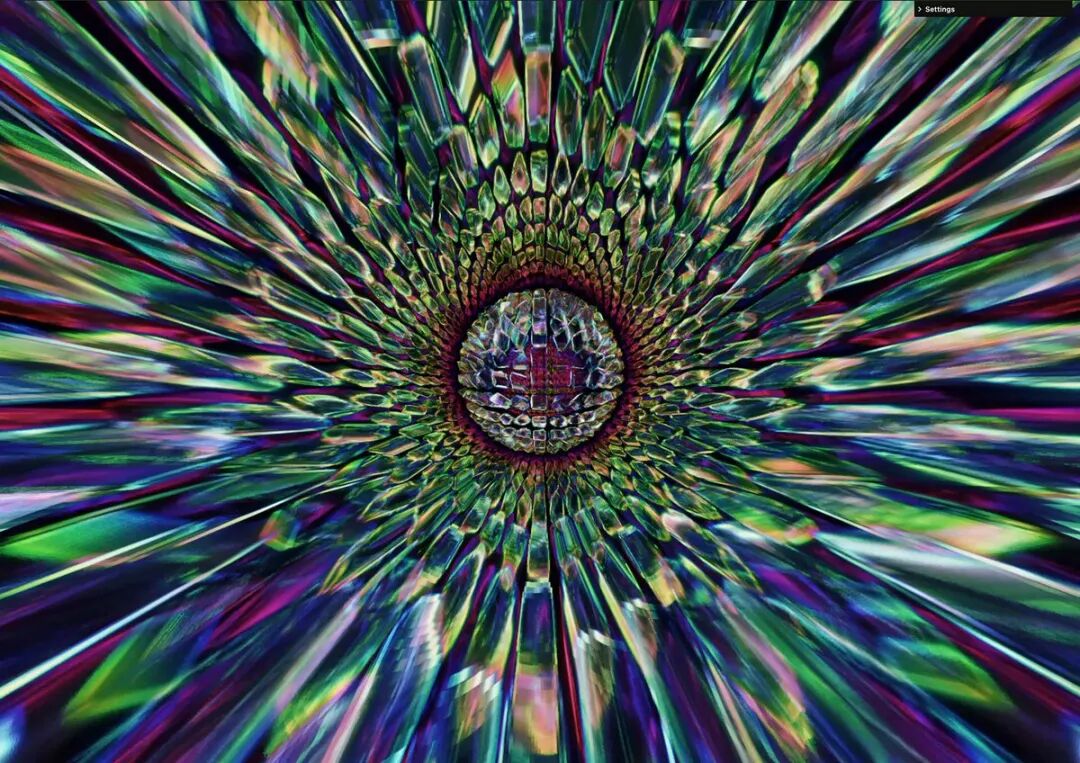
Japanese Shader Artist Sabosugi Publishes 'Inside Neon Crystals'
Japanese shader artist sabosugi publishes 'Inside Neon Crystals' on CodePen, an optical raymarching study written in GLSL. Computing internal total reflections and chromatic absorption across high-refractive crystal facets, luminous neon tubes cast ethereal glow against dark geometric prisms. 💡 **Highlight:** Open-source raymarching total internal reflections inside faceted crystals on CodePen offer an invaluable resource for learning optical shaders.
 68 Likes
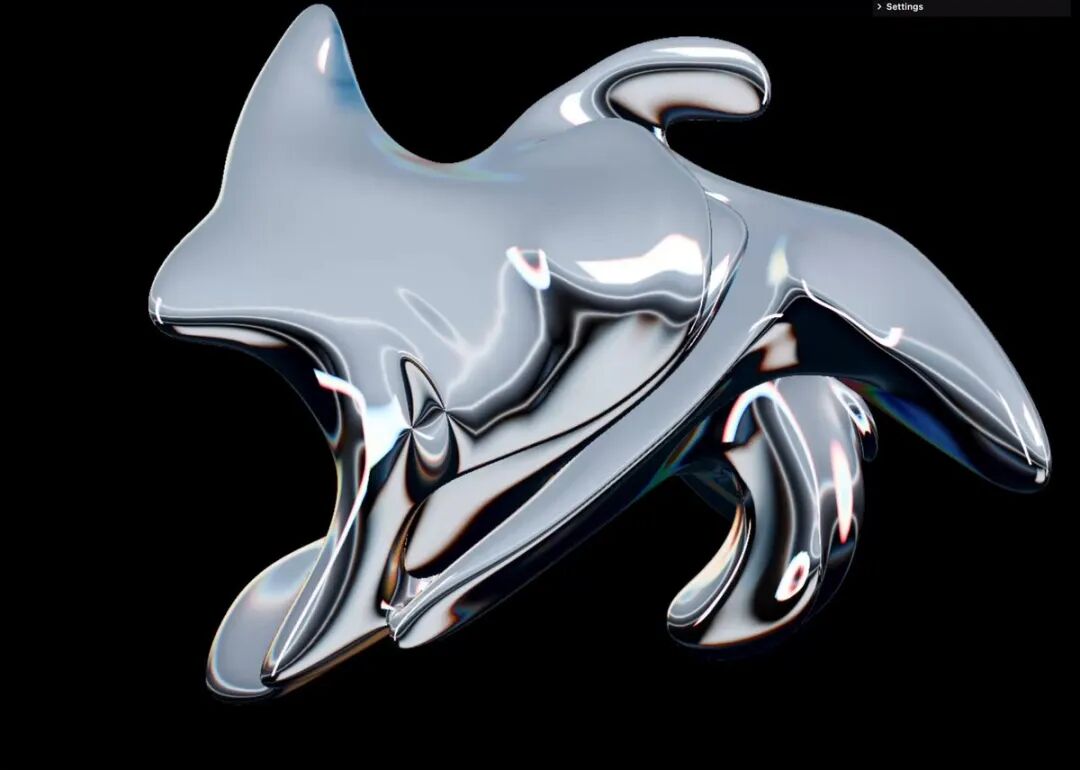
Sabosugi open-sources Abstract Chrome Liquid, a GLSL shader
Creative coder sabosugi open-sources 'Abstract Chrome Liquid' on CodePen. Driven by 3D simplex noise and environmental reflection maps, the GLSL fragment shader renders an undulating mercury-like liquid surface with striking metallic Fresnel glints and dynamic specular curvature. 💡 **Highlight:** Liquid mercury chrome shaders marrying industrial metallic sheen with organic fluid physics in a clean CodePen demo.
 65 Likes
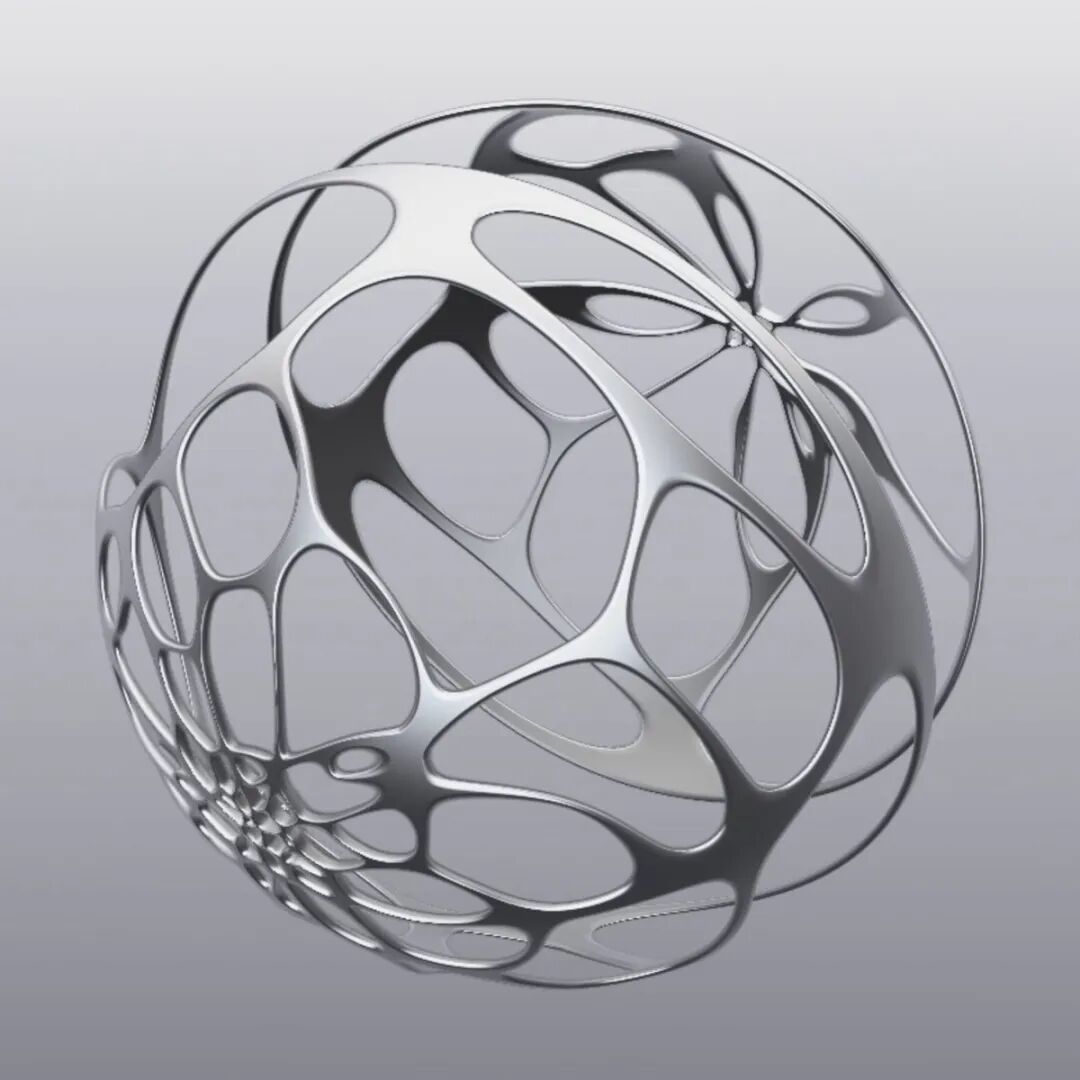
Sabosugi's Organic Chrome Orb, a GLSL wave-displaced sphere
Another mesmerizing GLSL piece by sabosugi, 'Organic Chrome Orb' applies periodic harmonic wave displacement across a spherical mesh. Paired with high-contrast equirectangular environment reflections and vignette post-processing, the orb resembles a living, pulsating sphere of liquid chrome. 💡 **Highlight:** Rhythmic wave displacements and metallic environmental reflections impart a mesmerizing, breathing vitality to a floating liquid chrome sphere.
Related Three.js Examples
More projects that share this one's topics
 20 Likes
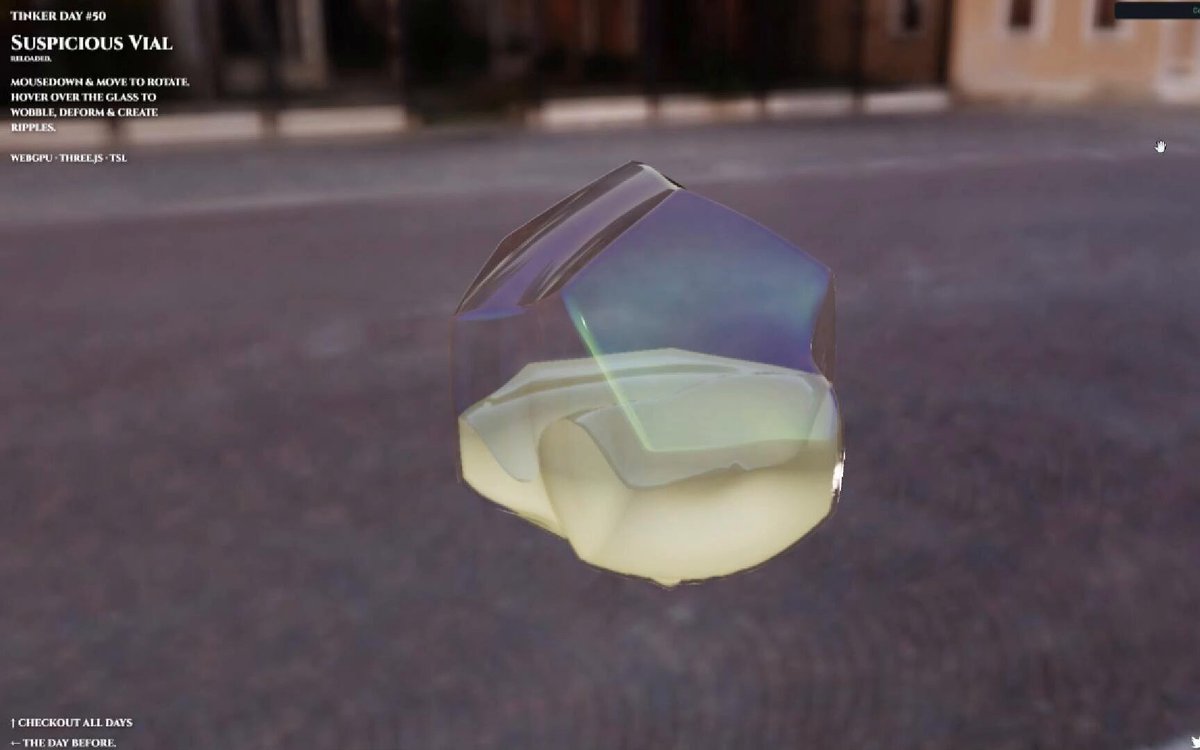
Classic Pure-glsl Potion Bottle Shader Modernized into WebGPU
A classic pure-GLSL potion bottle shader modernized into WebGPU using Three Shading Language (TSL). The port improves upon the original with thick glass surface refraction, spring-damped wobble elasticity, and buoyant liquid sloshing dynamics. 💡 **Highlight:** A textbook demonstration of migrating legacy GLSL into modular node-based TSL shaders, delivering rich dielectric refraction and fluid momentum.
 47 Likes
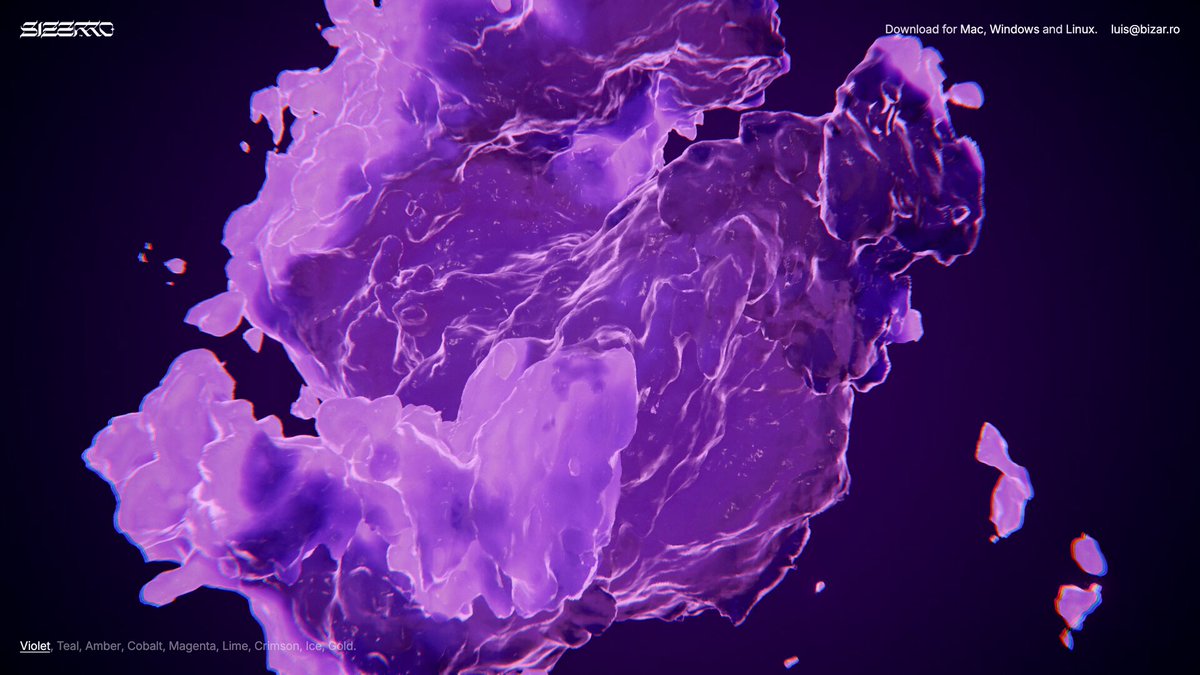
Luis Bizarro builds Gooey, a WebGPU gel with subsurface scattering
"Gooey", an interactive WebGPU and native WGSL shader experiment by Luis Bizarro, implementing realistic subsurface scattering (SSS) for a translucent, gelatinous fluid feel. Dragging the gel surface triggers spring-damped elastic deformations and tactile ripple waves. 💡 **Quick Take:** WGSL subsurface scattering meets soft-body physics, producing an irresistible, tactile jello-like interactive sensation!
 14 Likes
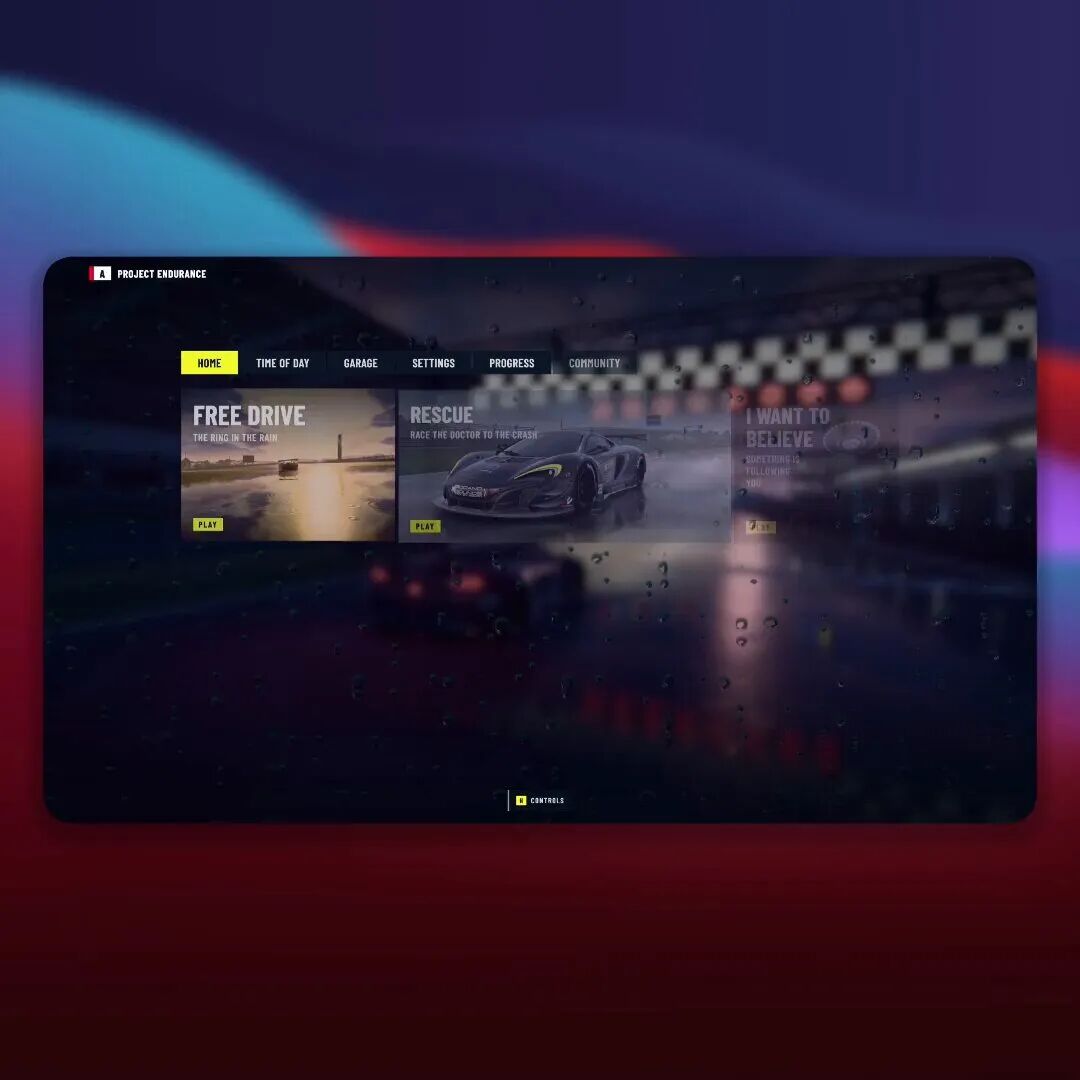
Anderson Mancini's Project Endurance, a GT3 racetrack in WebGPU
Celebrated Web3D creator Anderson Mancini unveiled Project Endurance, recreating a rain-drenched GT3 racetrack directly inside a single browser tab. Built upon Three.js, WebGPU, TSL (Three.js Shading Language), and the Rapier physics engine, it renders hyper-realistic dynamic rain spray, wet asphalt reflections, and tire grip physics. 💡 **Highlight:** The graphical high-water mark for web-based racing, where WebGPU and TSL compute shaders fully unleash wet-surface physically based reflections.
 543 Likes
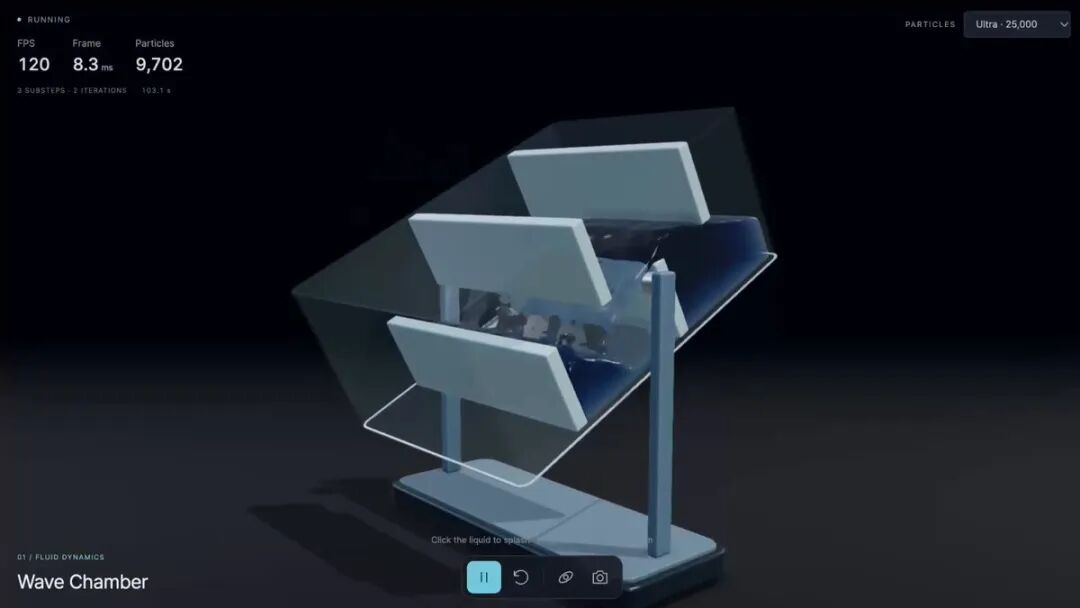
Dan Greenheck Open-sources Three.js Particle Fluids for WebGPU
Dan Greenheck open-sources Three.js Particle Fluids, an exceptional WebGPU-accelerated physics engine. Harnessing native compute shaders, it delivers real-time SPH fluid dynamics, rigid-body collisions, soft-body viscoelastic solvers, and dynamic cloth tearing in the browser, complete with live interactive demos and full source code on GitHub.