
Martin Valigursky lights planets with Gaussian splats in PlayCanvas
By @ValigurskyM • Curated • 36 likes on X
 Open Live Demo ↗
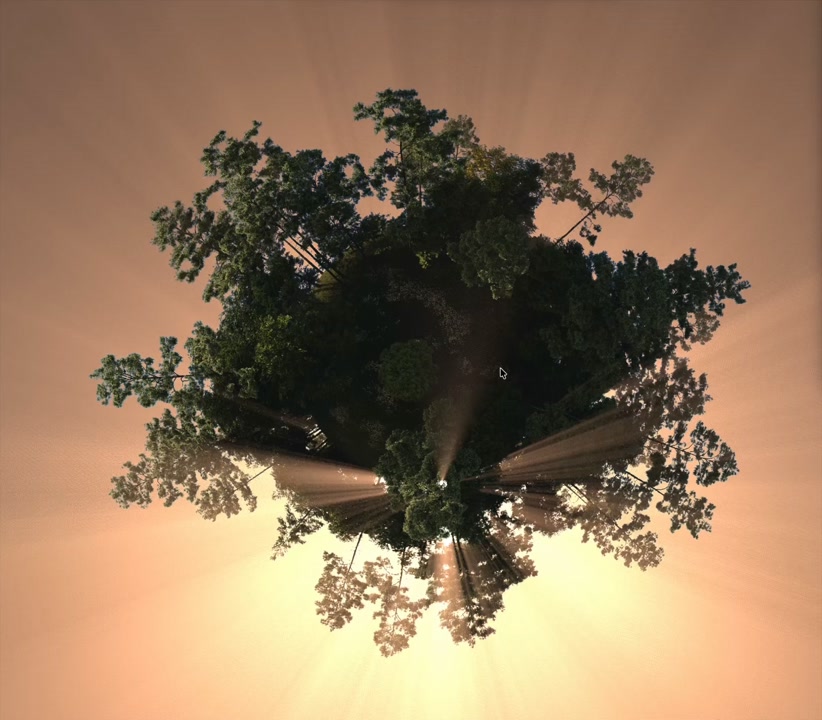
PlayCanvas VP Martin Valigursky demonstrates volumetric planetary lighting using Gaussian Splats. Without proxy geometry, 3DGS point sets cast directly into directional shadow depth maps while interacting with atmospheric scattering shaders to generate dramatic volumetric crepuscular rays over micro-planet terrain.
💡 **Highlight:** Integrating Gaussian Splats directly into engine shadow maps and volumetric fog marks a pivotal milestone toward production-ready 3DGS gaming.
More from @ValigurskyM
Other projects by Martin Valigursky
 383 Likes
Martin Valigursky releases a Matrix digital rain shader for splats
Martin Valigursky released an open-source Matrix digital rain shader for 3D Gaussian Splatting in PlayCanvas on WebGL2 and WebGPU.
 32 Likes
Martin Valigursky turns a Gaussian splat into 2M WebGPU particles
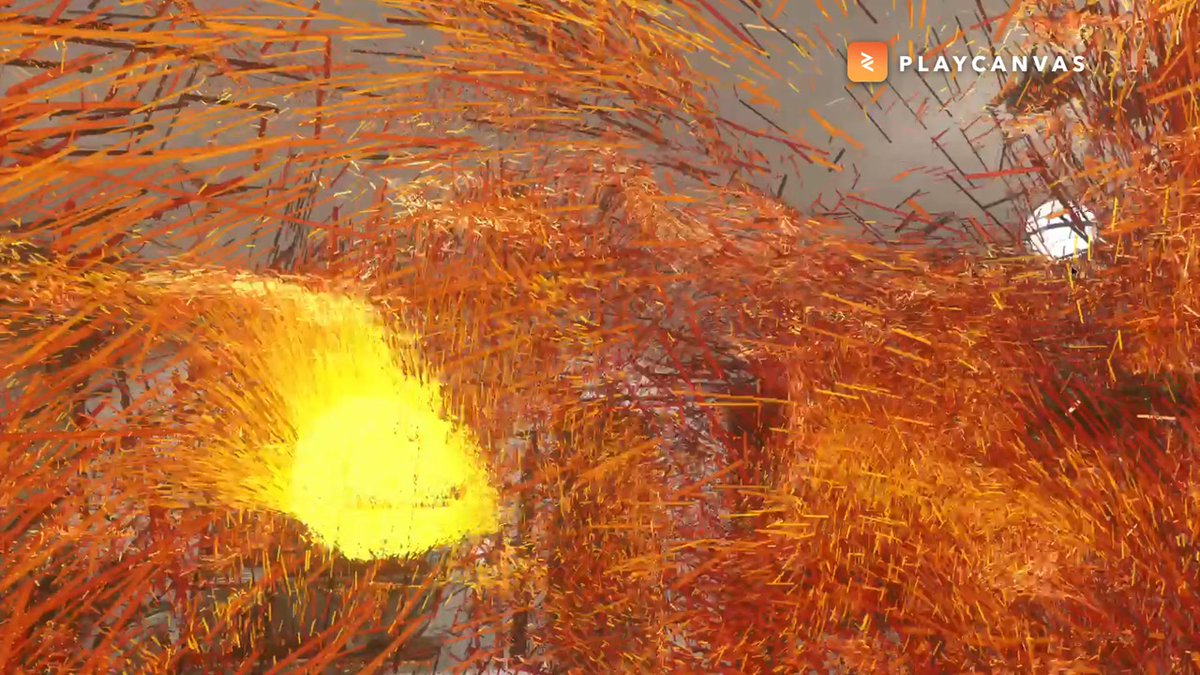
What happens when a gaussian splat becomes 2M particles? 🔥 @playcanvas spawns them from the scene’s color + depth, runs them in WebGPU compute and collides them with voxels from splat-transform. Pick a preset and wreck the room 👇 https://engine-iam7nszj6-playcanvas.vercel.app/#/gaussian-splatting/particle-blast
 32 Likes
PlayCanvas adds a dynamic sky and atmosphere system in WebGPU
The PlayCanvas team introduced a dynamic sky and atmospheric system rendering diurnal day-night cycles and volumetric cloud drift in WebGPU. A unified CameraFrame pass synchronizes sun, moon, stars, and real-time environmental lighting updates across the entire scene. 💡 **Highlight:** A major graphics upgrade for PlayCanvas delivering an all-in-one dynamic weather and celestial pipeline.
 11 Likes
PlayCanvas releases an official Spine 4.3 animation integration
PlayCanvas lead developer Martin Valigursky released the official integration plugin and guide for the Spine 4.3 skeletal animation system. The updated runtime natively couples physics damping to bone transforms: as characters sprint and jump, hair strands, cape skirts, and drifting particles react dynamically to acceleration forces. 💡 **Highlight:** A major leap for the PlayCanvas ecosystem, fusing skeletal rigs with dynamic physics to bring 2.5D and 3D characters vividly to life.
More Three.js Shaders
Projects curated around the same time in this topic
Tidepaper, an interactive watercolour coastline in the browser
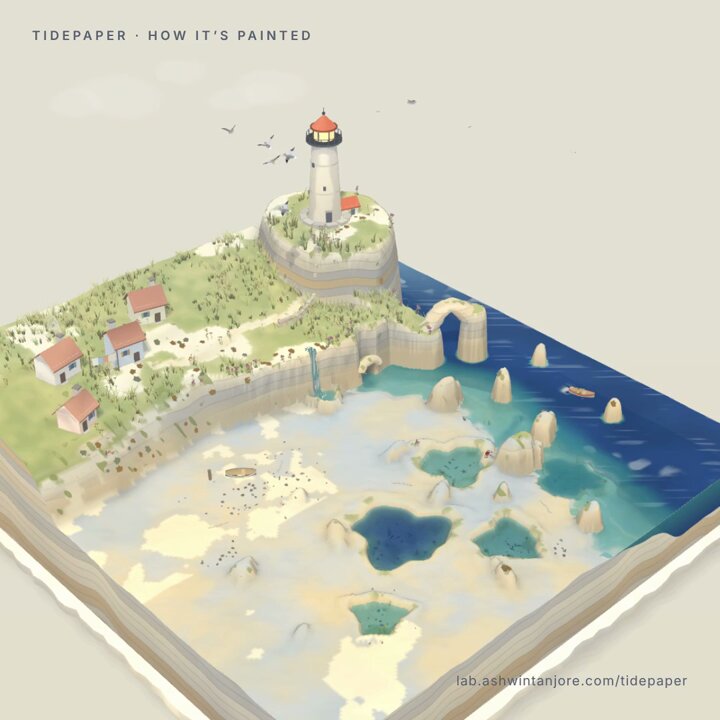
Tidepaper by Ashwin Tanjore is an interactive watercolour coastline that runs in the browser: you can move the tide, change the weather and tap the tide pools. It is a single HTML file with no images; the paper, the bleed and the ink are all WebGPU shaders. He made it with Claude Opus 5.5.
 15 Likes
PlayCanvas adds a built-in performance profiler to its inspector
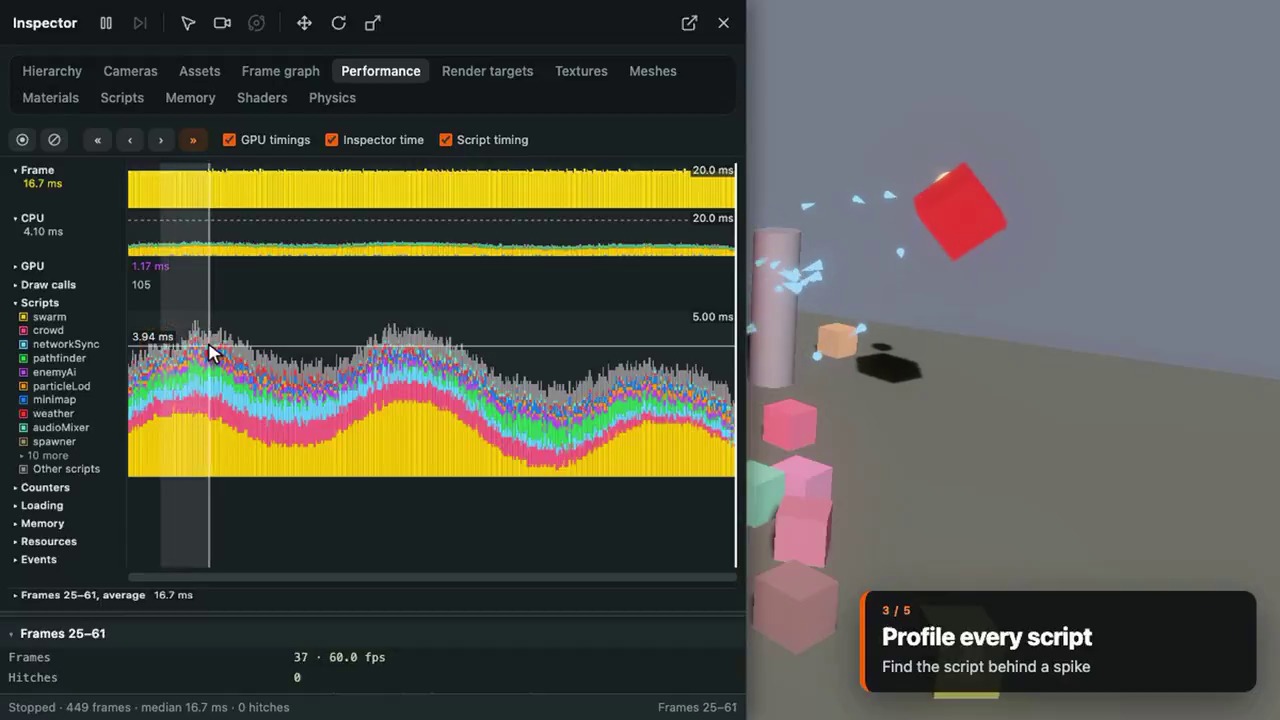
PlayCanvas VP Martin Valigursky introduces a built-in Performance Profiler inside the PlayCanvas inspector. It captures per-frame CPU and GPU timelines, tallies draw calls, tracks asset loading latencies, and renders interactive flame graphs to pinpoint script and shader bottlenecks in seconds. 💡 **Highlight:** Per-frame flame graphs and GPU workload visualization provide the missing diagnostic piece for optimizing high-end web games and 3D applications.
 1,216 Likes
mrdoob's Slop New York, a drivable procedural Manhattan
Slop New York is mrdoob's GTA-style procedural Manhattan, from 125th Street to Battery Park, built with the Three.js WebGPURenderer and TSL. The latest version is more fun to drive around; the city and cars are generated at load time from a 2.2 MB download.
 122 Likes
Luis Bizarro's photorealistic nature study in WebGPU and WGSL
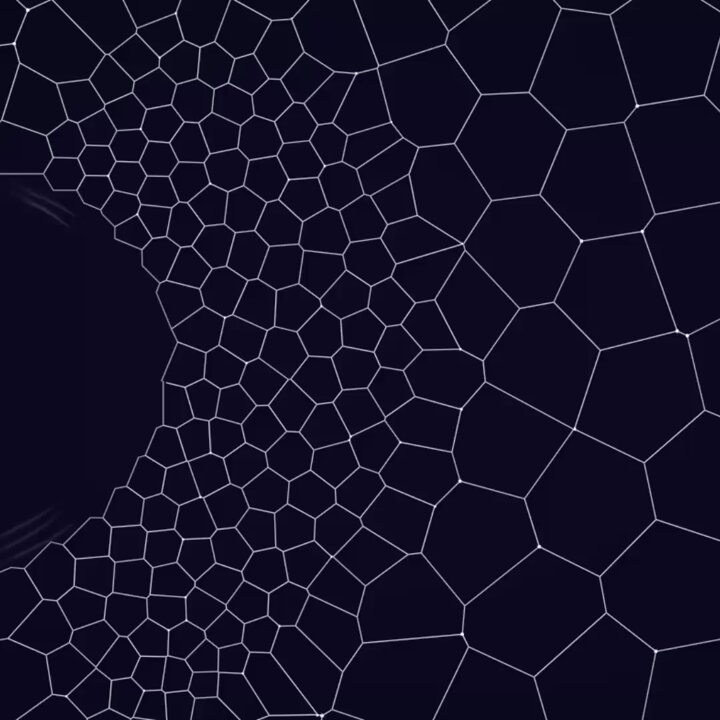
Creative coder Luis Bizarro unveils a photorealistic nature rendering study driven by WebGPU and WGSL. Simulating blooming petals, wind-blown grass blades, contact shadows, and suspended airborne dust particles, the native WGSL pipeline captures the golden warmth of an afternoon garden. 💡 **Highlight:** Seamless coordination between WebGPU compute shaders and graphics pipelines simulates thousands of oscillating foliage blades with atmospheric lighting.
 6 Likes
Creative WGSL Piece Built on Webgpu
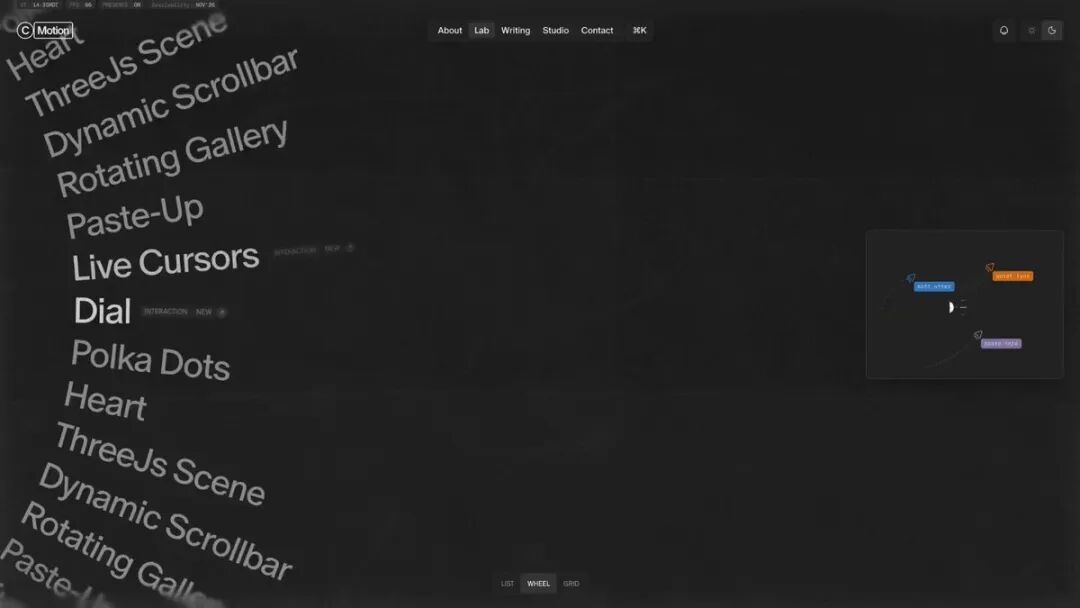
Generative artist sib shares 'Flowing Cells', a creative WGSL piece built on WebGPU. Utilizing differential wave equations, the compact shader simulates organic cellular membrane deformation, diffusion, mitosis, and luminous surface oscillation within an ambient fluid medium. 💡 **Highlight:** Elegant differential calculus running in WGSL compute transforms abstract math into a pulsating, living microscopic realm.
 26 Likes
GSAP highlights Carter Ogunsola's portfolio with WebGL fluid shaders
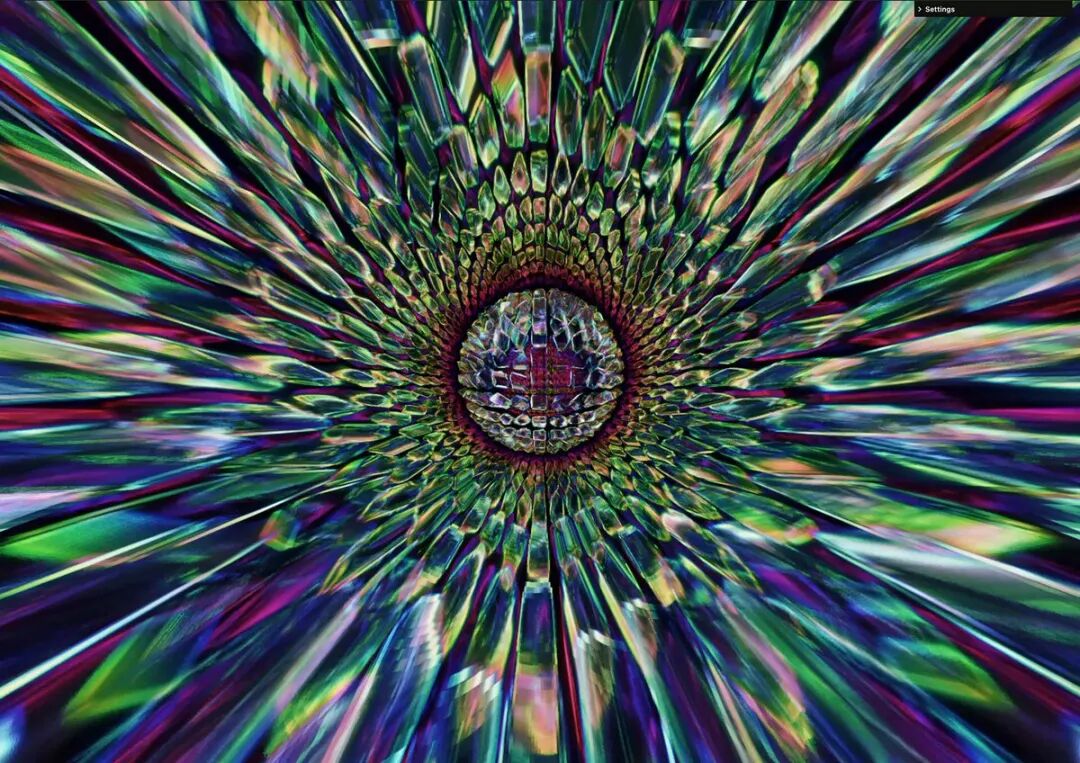
GSAP highlights Carter Ogunsola's avant-garde portfolio site, orchestrating GSAP ScrollTrigger, Flip layout transitions, and Three.js WebGL fluid displacement shaders. Blending editorial magazine typography with 3D fluid distortions, the layout creates a tactile, responsive browsing experience. 💡 **Highlight:** A masterclass in merging GSAP scroll timelines with Three.js fluid shaders, setting a premier benchmark for creative brand typography.
 22 Likes
Japanese Shader Artist Sabosugi Publishes 'Inside Neon Crystals'
Japanese shader artist sabosugi publishes 'Inside Neon Crystals' on CodePen, an optical raymarching study written in GLSL. Computing internal total reflections and chromatic absorption across high-refractive crystal facets, luminous neon tubes cast ethereal glow against dark geometric prisms. 💡 **Highlight:** Open-source raymarching total internal reflections inside faceted crystals on CodePen offer an invaluable resource for learning optical shaders.
 68 Likes
Sabosugi open-sources Abstract Chrome Liquid, a GLSL shader
Creative coder sabosugi open-sources 'Abstract Chrome Liquid' on CodePen. Driven by 3D simplex noise and environmental reflection maps, the GLSL fragment shader renders an undulating mercury-like liquid surface with striking metallic Fresnel glints and dynamic specular curvature. 💡 **Highlight:** Liquid mercury chrome shaders marrying industrial metallic sheen with organic fluid physics in a clean CodePen demo.
Related Three.js Examples
More projects that share this one's topics
 56 Likes
Koimsurai renders HTML text into WebGPU with Chrome's HTML-in-Canvas
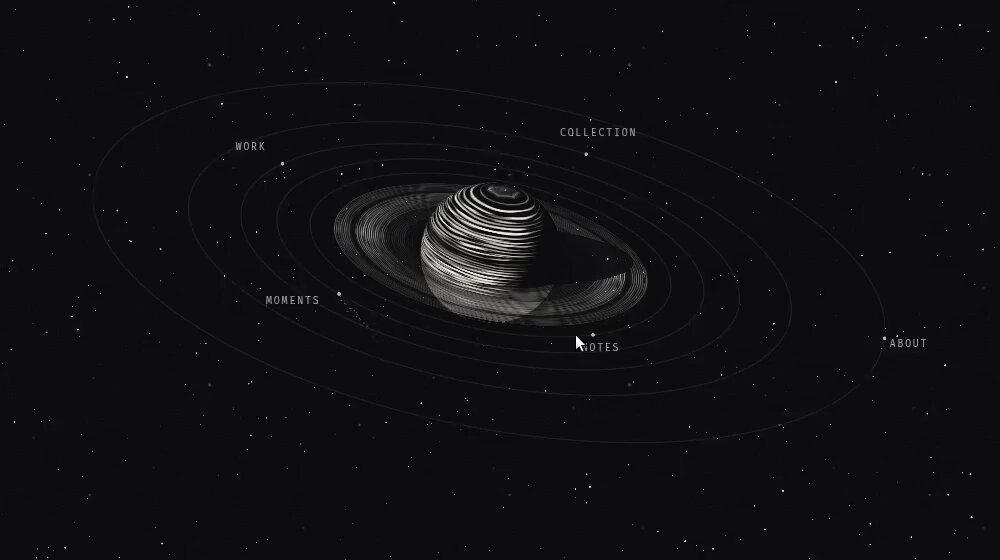
Pioneering implementation of Chrome's native HTML-in-Canvas feature by Taiwanese developer Koimsurai, rasterizing DOM text cards directly within a WebGPU canvas. Slashing main-thread CPU usage by 70%, DOM typography now dynamically reacts to gravitational field shaders, warping around celestial rings like tidal cosmic dust. 💡 **Quick Take:** The wall between HTML and WebGPU dissolves: main-thread CPU overhead drops 70% as live web typography seamlessly bends to shader gravitational fields!
 5 Likes
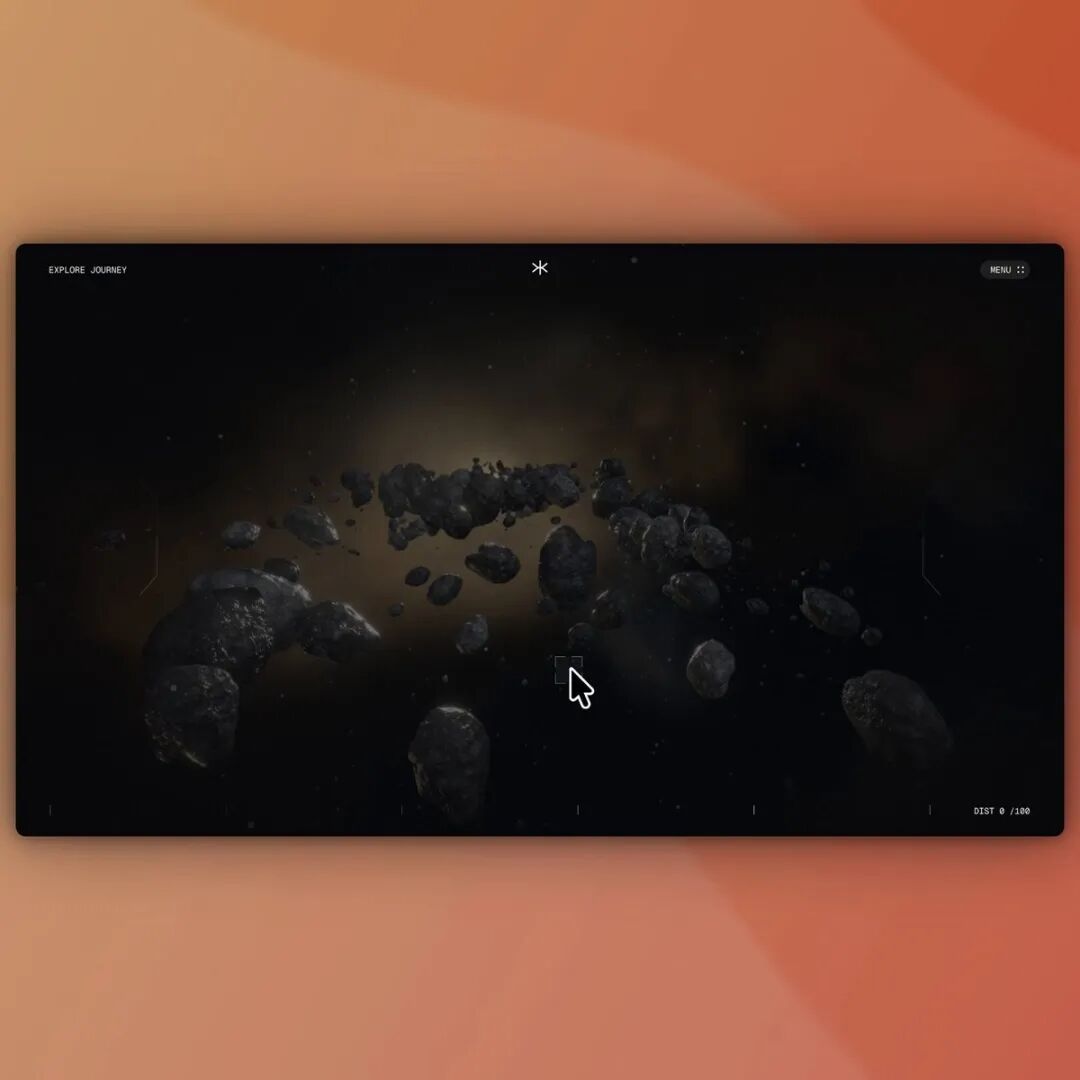
A scroll-driven asteroid field flythrough in React Three Fiber
- **Overview**: A creative coding showcase featuring an asteroid field flythrough engineered with React Three Fiber and custom GLSL vertex and fragment shaders. As users scroll, the virtual camera swoops past thousands of instanced, tumbling space asteroids, framed by cosmic dust particles and camera depth of field. - **Highlight**: Scroll-driven celestial parallax: R3F and custom shaders combine to craft a breathtaking sci-fi deep space expedition. - **Project Link**: https://webgpu.com/daily/beyond-horizon-asteroid-voyage/
 35 Likes
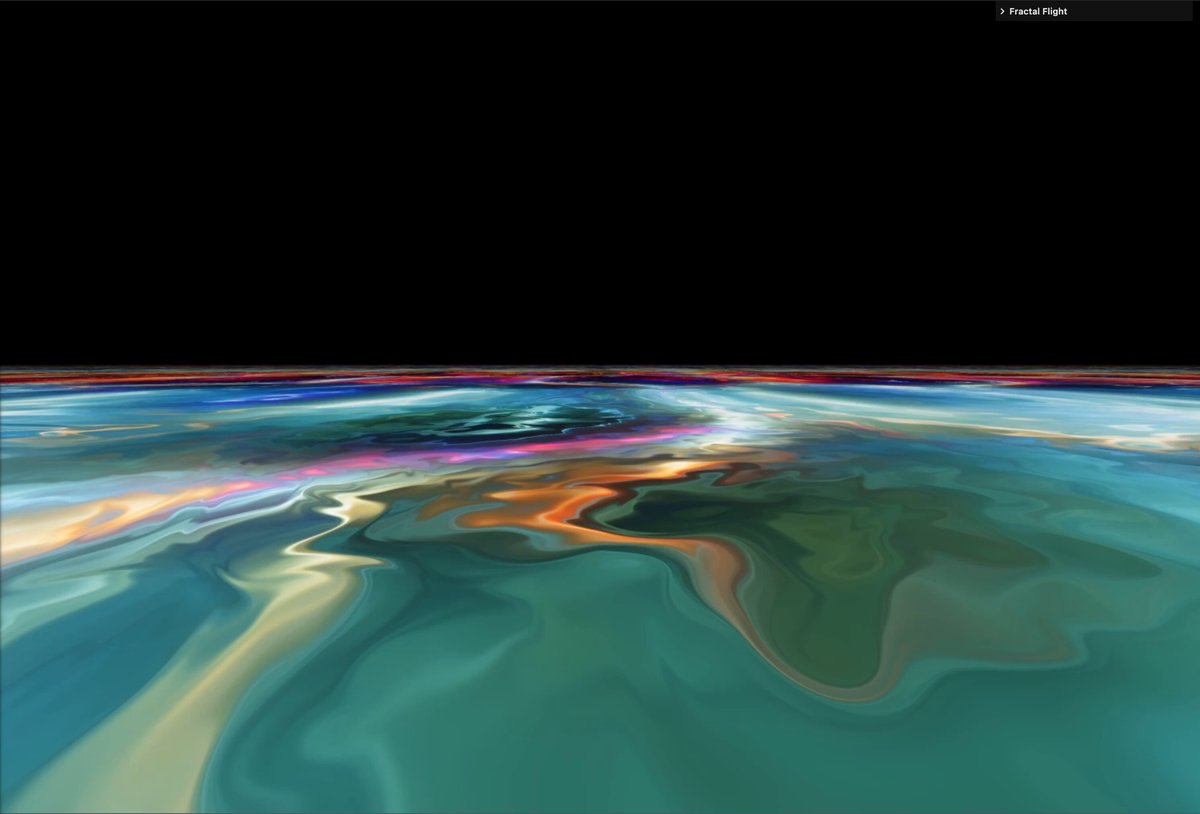
Fly Over Beautiful Planet
Fly Over Beautiful Planet Source Code & Demo: https://codepen.io/editor/sabosugi/pen/01a07fed-8a0f-73ed-9dc7-50f33c24916f?orientation=right&panel=files&show=preview @threejs #webgl #webgpu #shader #3d
 59 Likes
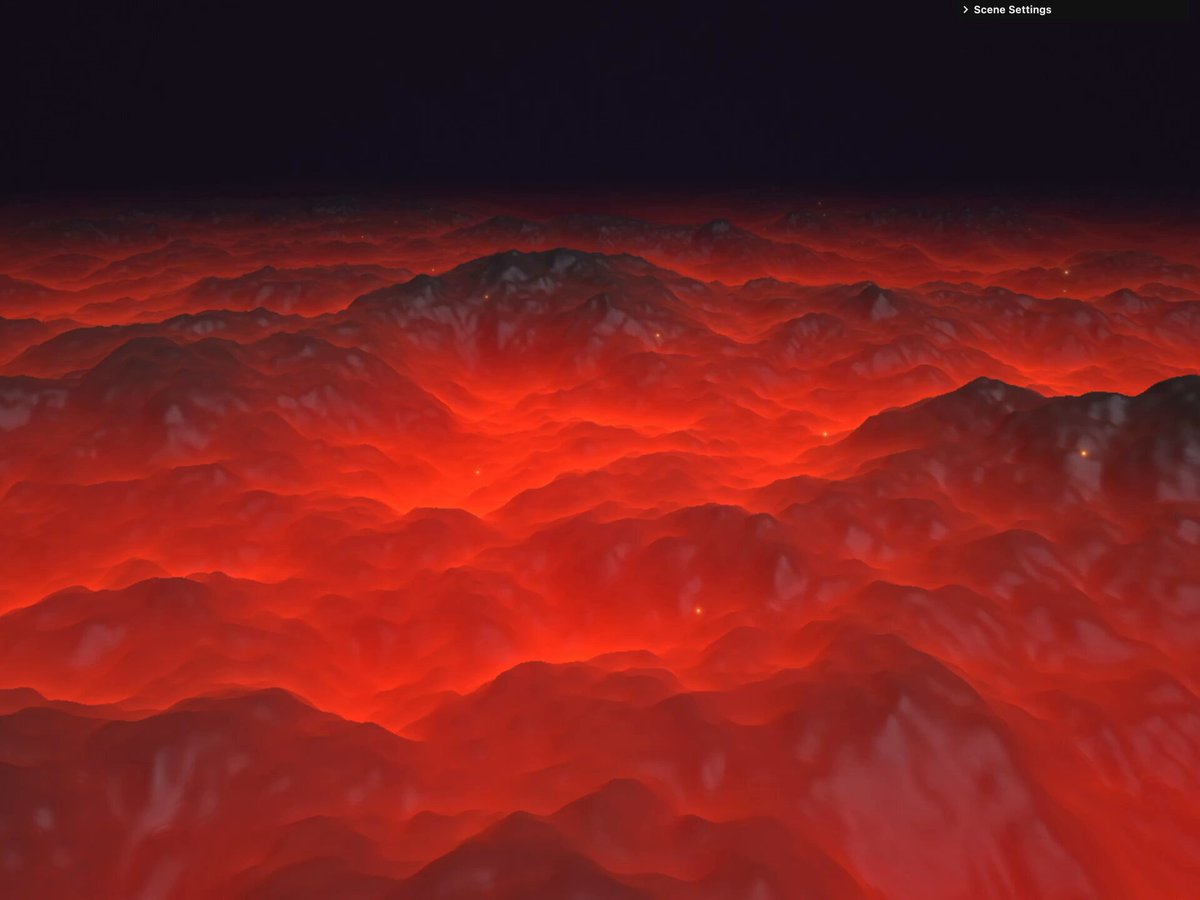
Very Hot Planet
Very Hot Planet Demo & Source Code: https://codepen.io/sabosugi/full/RNKpmQj #threejs #webgl #shader #creativecoding #procedural