
Luis Bizarro builds Gooey, a WebGPU gel with subsurface scattering
By @LuisBizarro • Curated • 47 likes on X
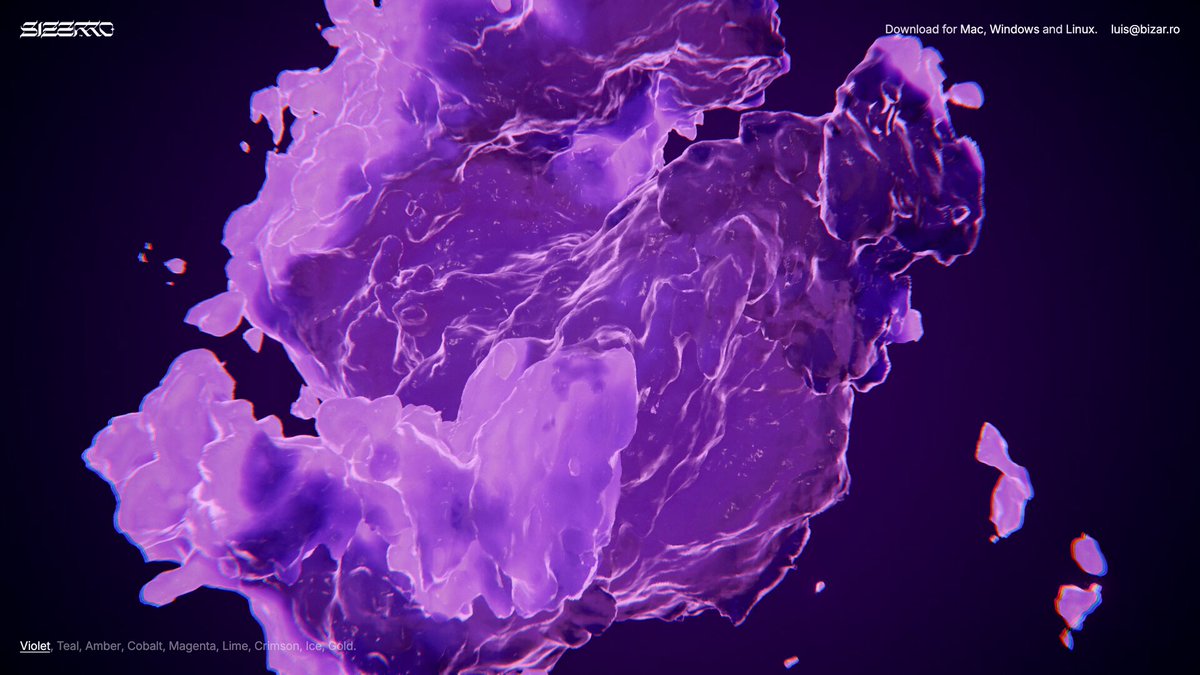 Open Live Demo ↗
"Gooey", an interactive WebGPU and native WGSL shader experiment by Luis Bizarro, implementing realistic subsurface scattering (SSS) for a translucent, gelatinous fluid feel. Dragging the gel surface triggers spring-damped elastic deformations and tactile ripple waves. 💡 **Quick Take:** WGSL subsurface scattering meets soft-body physics, producing an irresistible, tactile jello-like interactive sensation!
More from @LuisBizarro
Other projects by Luis Bizarro
 48 Likes
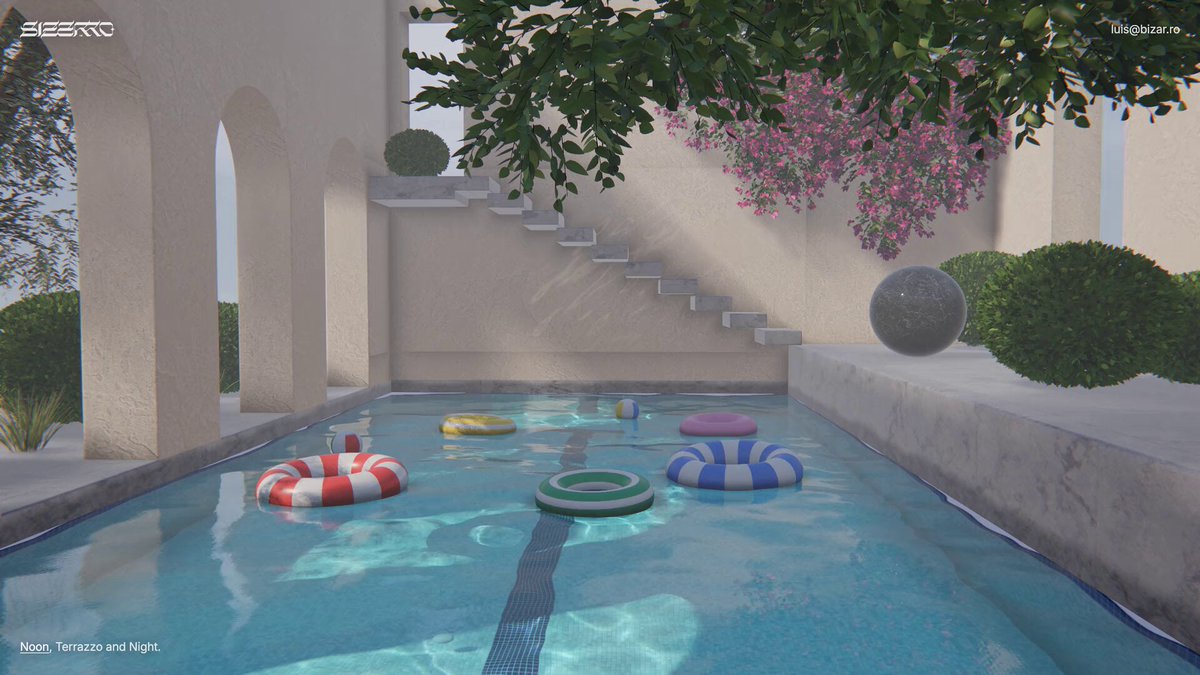
Luis Bizarro builds a digital pool party experiment in WebGPU
An immersive digital pool party powered by WebGPU and native WGSL shaders, featuring hyper-realistic underwater caustics, dynamic wave ripple displacement, and physical reflection-refraction optics.
 80 Likes
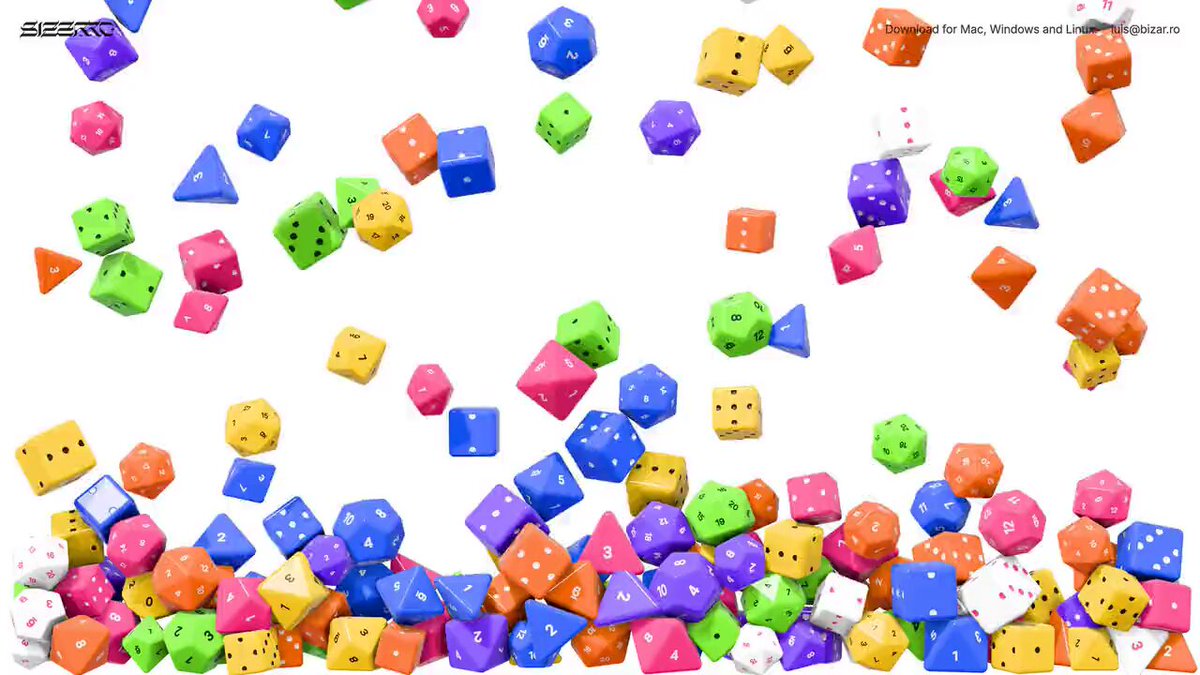
Luis Bizarro builds a GPU rigid-body cube simulation in WebGPU
Creative frontend and graphics engineer Luis Bizarro presents a GPU-driven rigid-body simulation built with WebGPU and WGSL. Focusing on dynamic 3D cube collisions and spatial bin packing, the entire pipeline—broadphase grid acceleration, narrowphase collision detection, and position Verlet integration—runs inside compute shaders, handling hundreds of falling dice with negligible CPU overhead. 💡 **Highlight:** End-to-end compute shader physics demonstrates WebGPU's immense performance advantage for compute-heavy collision dynamics.
 122 Likes
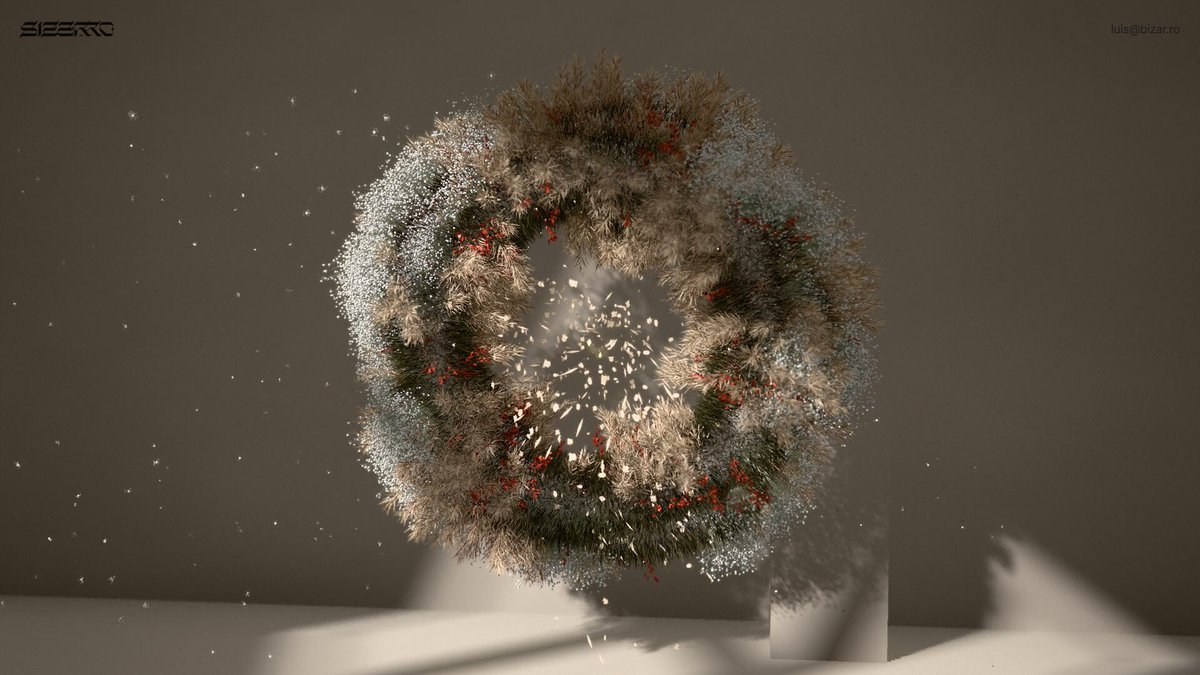
Luis Bizarro's photorealistic nature study in WebGPU and WGSL
Creative coder Luis Bizarro unveils a photorealistic nature rendering study driven by WebGPU and WGSL. Simulating blooming petals, wind-blown grass blades, contact shadows, and suspended airborne dust particles, the native WGSL pipeline captures the golden warmth of an afternoon garden. 💡 **Highlight:** Seamless coordination between WebGPU compute shaders and graphics pipelines simulates thousands of oscillating foliage blades with atmospheric lighting.
More Three.js Shaders
Projects curated around the same time in this topic
 117 Likes
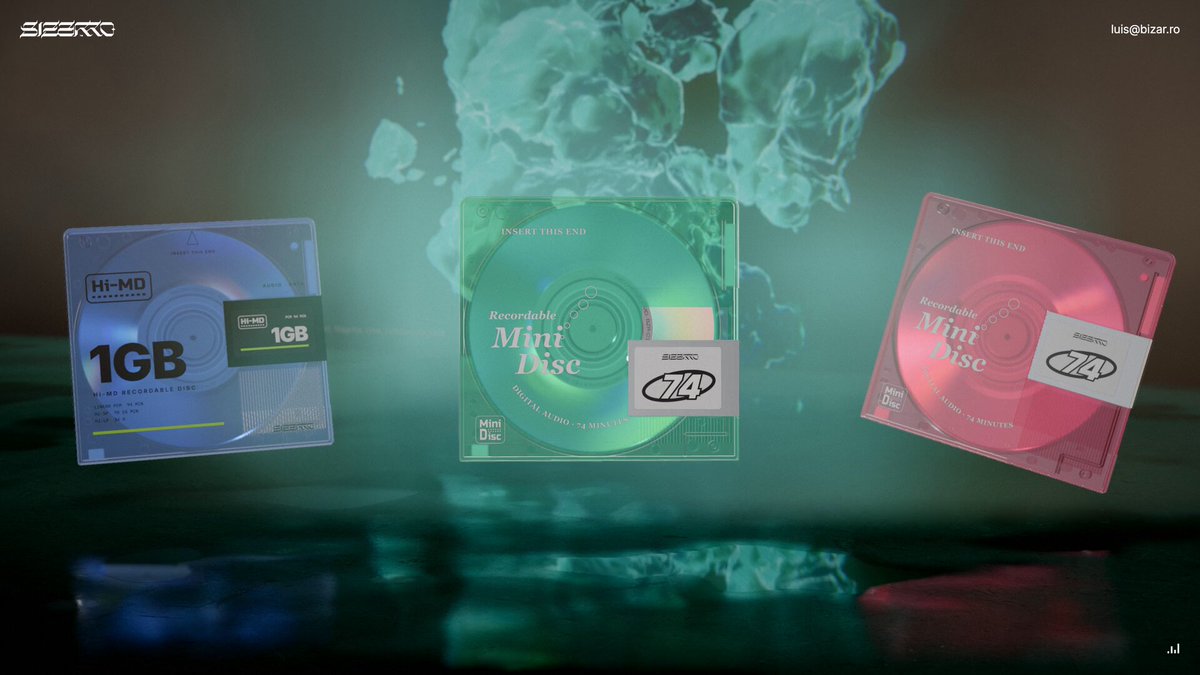
Luis Bizarro's MiniDiscs WebGL experiment with holographic shine
Nostalgic interactive CD-ROM simulation powered by native WebGL and GLSL shaders, faithfully reproducing holographic thin-film optical interference and iridescent rainbow diffraction under ambient lighting.
 33 Likes
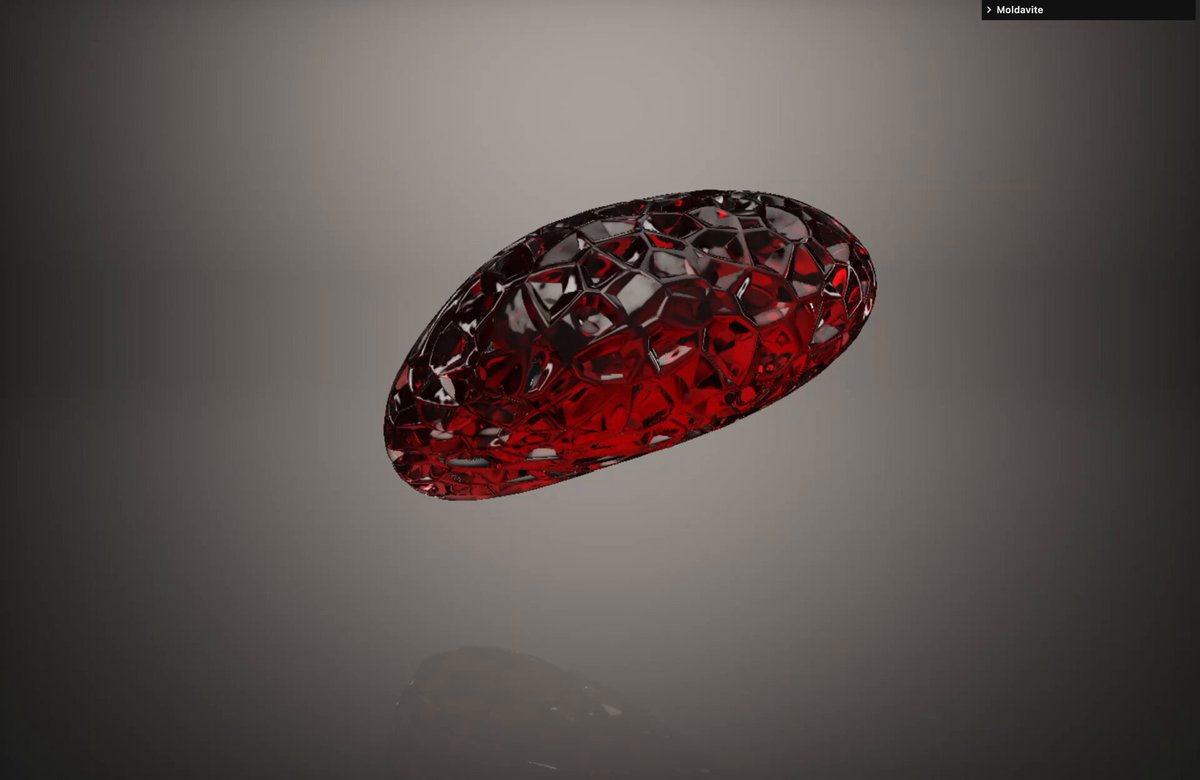
Open-source Moldavite Meteorite Shader Study on CodePen
Open-source Moldavite meteorite shader study on CodePen using Three.js, rendering deep translucent subsurface scattering (SSS), chromatic dispersion, and gem-like multifaceted light refractions.
 21 Likes
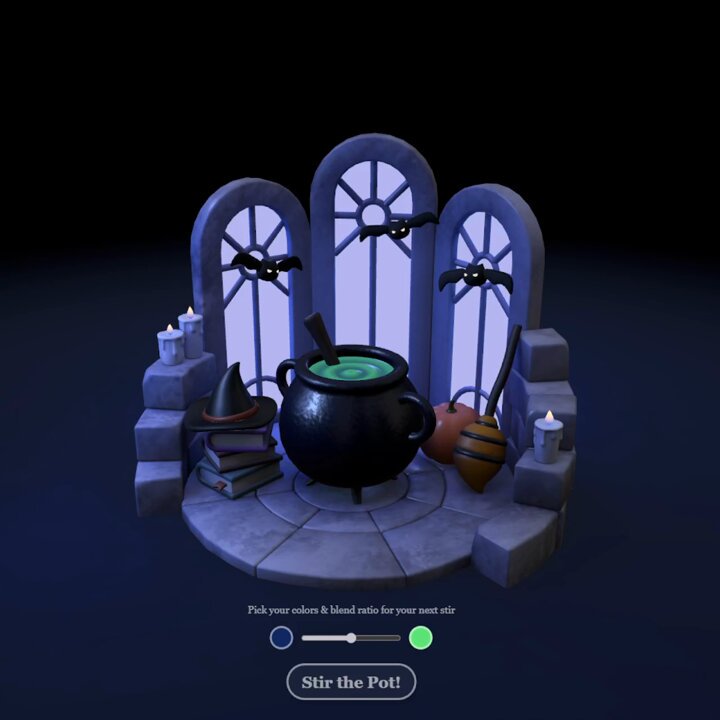
Chimakes3d's Halloween witch cauldron built with Three.js TSL
Interactive Halloween witch's cauldron built with Three.js Shading Language (TSL), faithfully simulating boiling fluid bubbles, radiant glowing embers, and expanding surface ripples.
 2 Likes
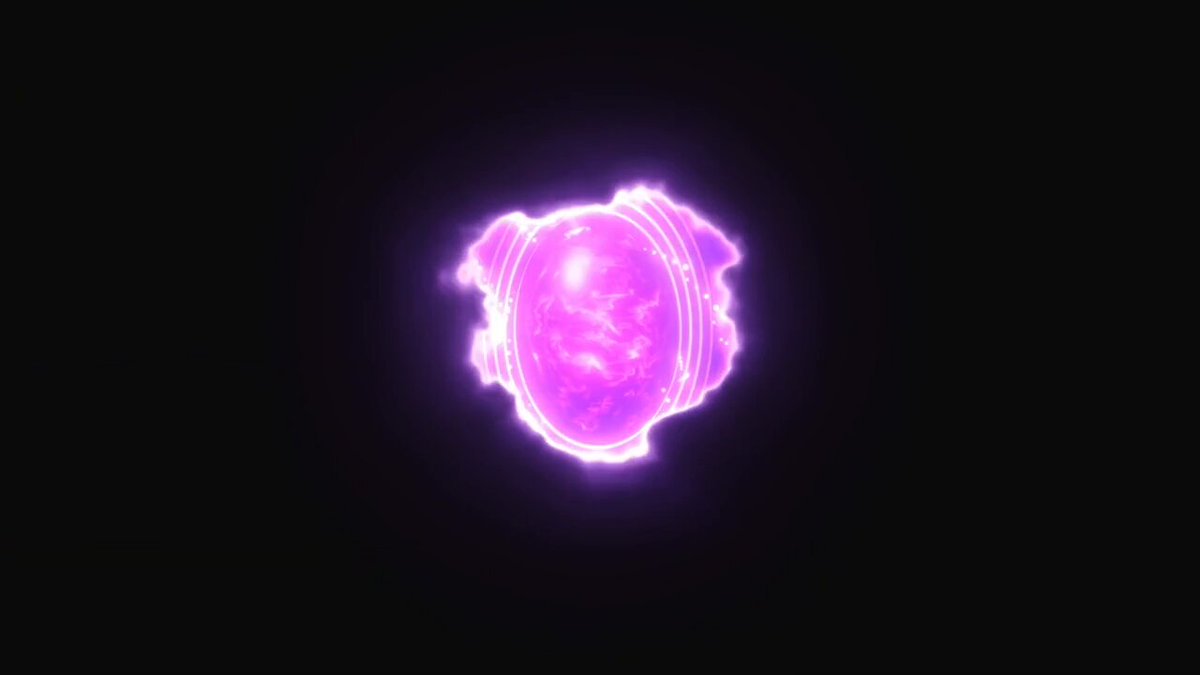
Jason Jerez launches an MCU-inspired WebGL portfolio
My new portfolio is live. An MCU-inspired experience featuring Infinity Stones, a portal, a branching timeline, and a few details worth exploring. --> https://jasonjerez.com/ #webdesign #webgl #shaders #glsl #creativedev #javascript #design #Marvel #MCU
 23 Likes
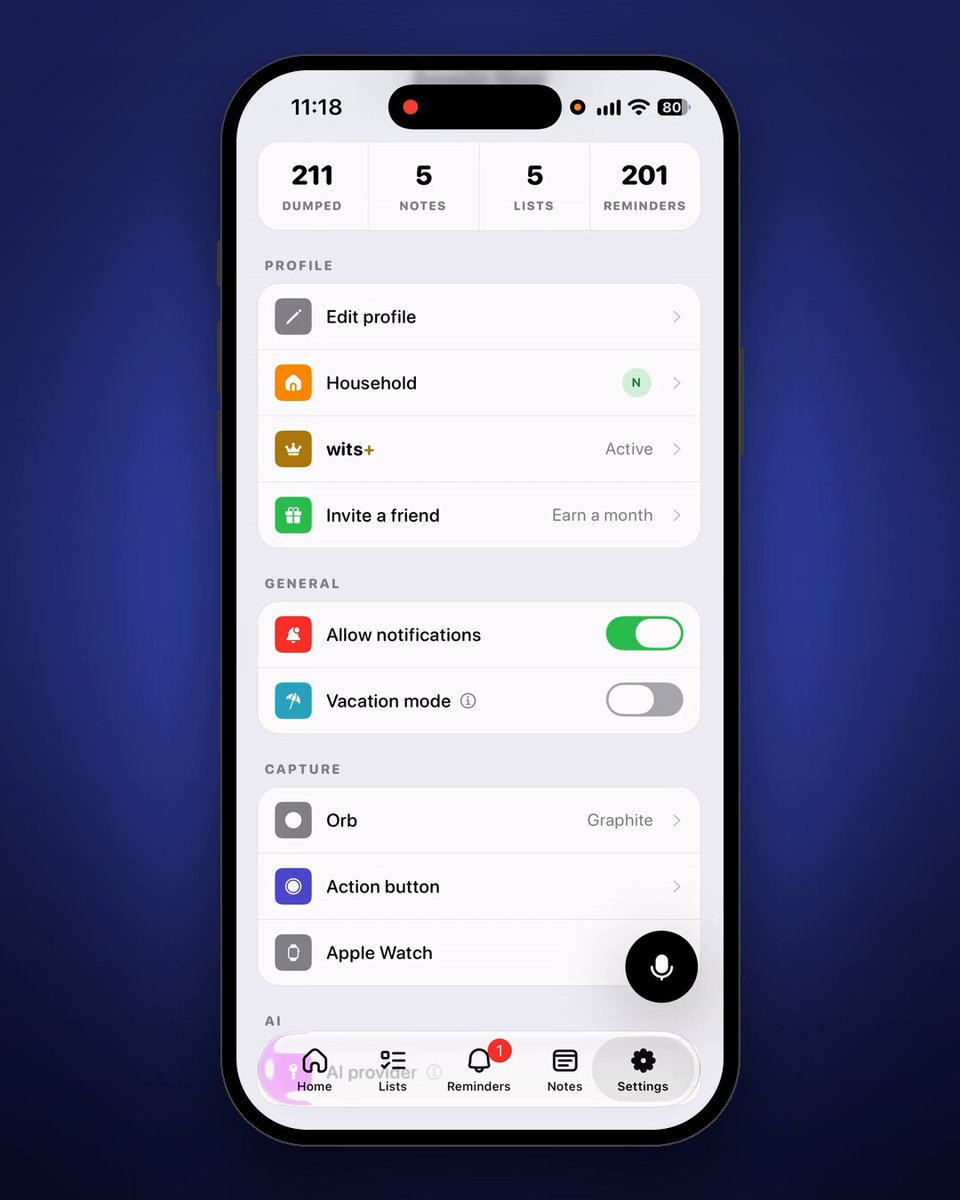
Audio-reactive Voice Orb Shader Ported From Expo Skia to WebGL
Audio-reactive Voice Orb shader ported from mobile Expo Skia directly to browser WebGL by Aswin. Responding dynamically to live microphone input, the orb pulses gently at idle, roils with speech amplitude and frequency FFTs, and glides smoothly back to rest during pauses. 💡 **Quick Take:** Bridging native Skia to WebGL, this living shader orb breathes tangible life into conversational voice interfaces.
 20 Likes
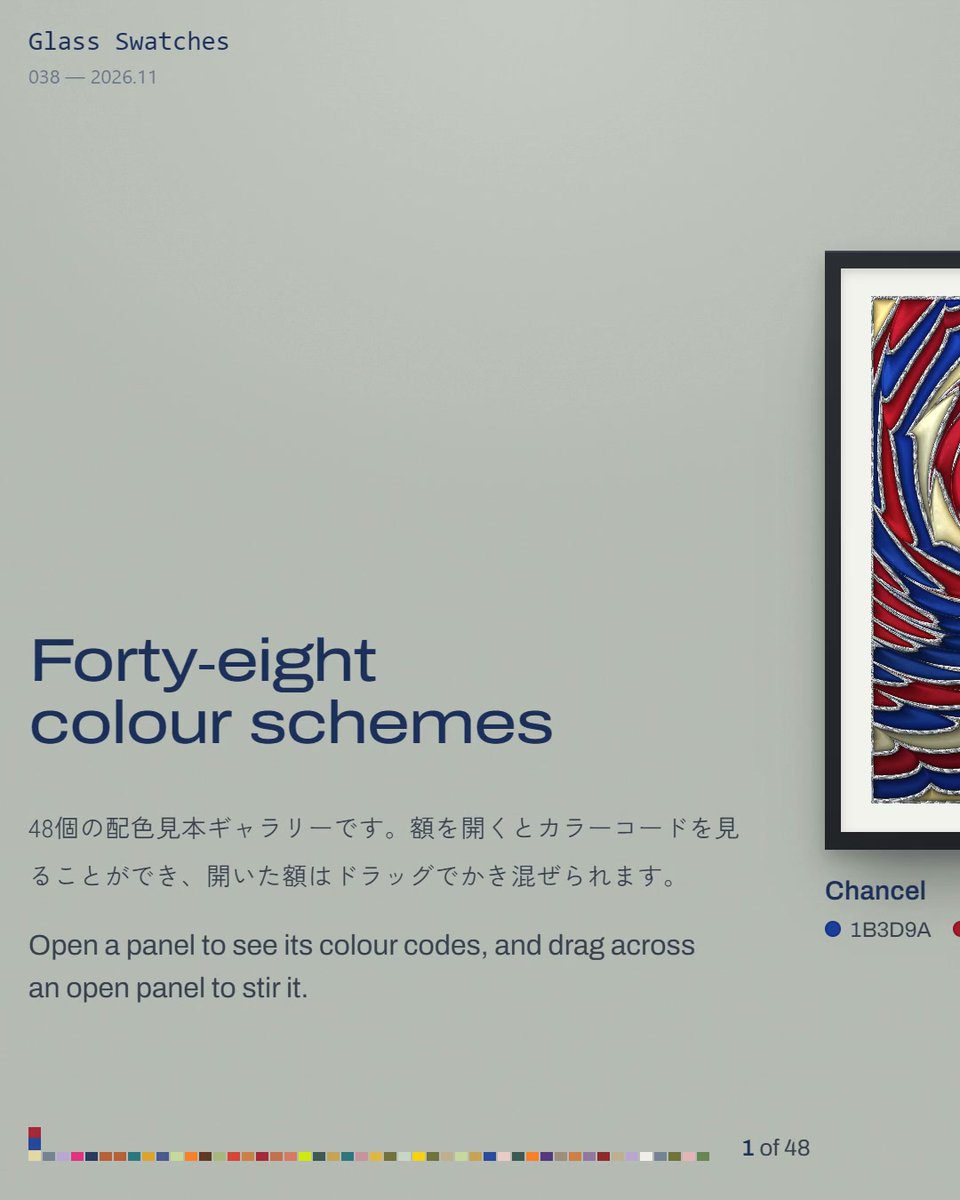
TONASY turns 48 color palettes into a WebGL 2 glass gallery
"Glass Swatches" (Motion Pieces #38) by Japanese creative developer TONASY, crafted in WebGL 2, GLSL, and TypeScript. 48 curated palettes are encapsulated within 3D glass specimen tiles, allowing users to inspect hex codes and drag cards together to mix their refractive liquid colors. 💡 **Quick Take:** 48 curated palettes preserved in WebGL 2 glass frames, blending optical refraction and color-mixing micro-interactions with refined Japanese aesthetics.
 56 Likes
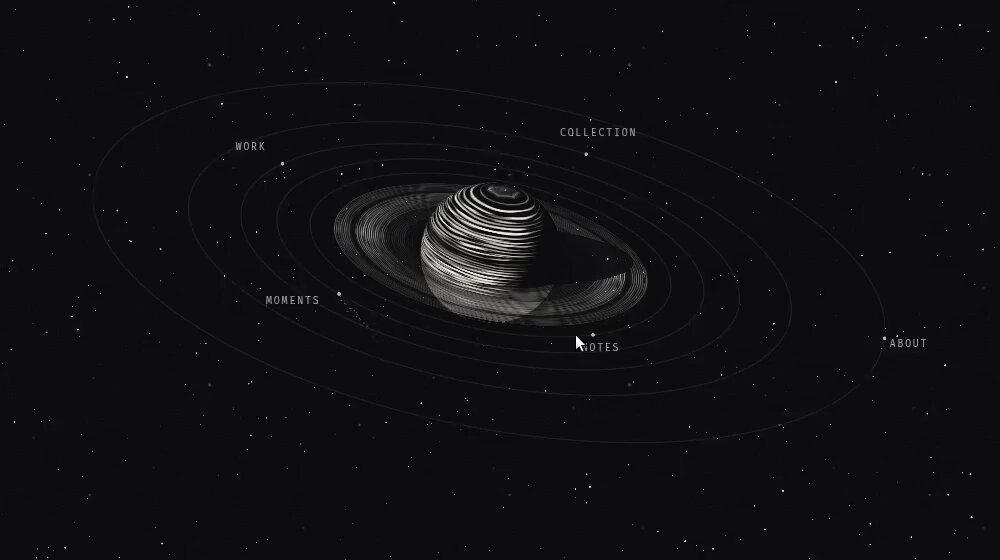
Koimsurai renders HTML text into WebGPU with Chrome's HTML-in-Canvas
Pioneering implementation of Chrome's native HTML-in-Canvas feature by Taiwanese developer Koimsurai, rasterizing DOM text cards directly within a WebGPU canvas. Slashing main-thread CPU usage by 70%, DOM typography now dynamically reacts to gravitational field shaders, warping around celestial rings like tidal cosmic dust. 💡 **Quick Take:** The wall between HTML and WebGPU dissolves: main-thread CPU overhead drops 70% as live web typography seamlessly bends to shader gravitational fields!
 37 Likes
Codrops Lookbook Hover Effects: 8 WebGL Hover Interactions
"Lookbook Hover Effects" open-sourced by Codrops, featuring 8 distinct WebGL hover interactions tailored for fashion catalogs. Moving over cards triggers fluid liquid-glass distortion, realistic paper tearing with curling peels, or cathode-ray TV static transitions, fusing GSAP easing with custom fragment shaders. 💡 **Quick Take:** Liquid glass, curling paper peels, and retro cathode-ray static: Codrops elevates e-commerce lookbook hover micro-interactions to gallery-level digital art.
Related Three.js Examples
More projects that share this one's topics
 20 Likes
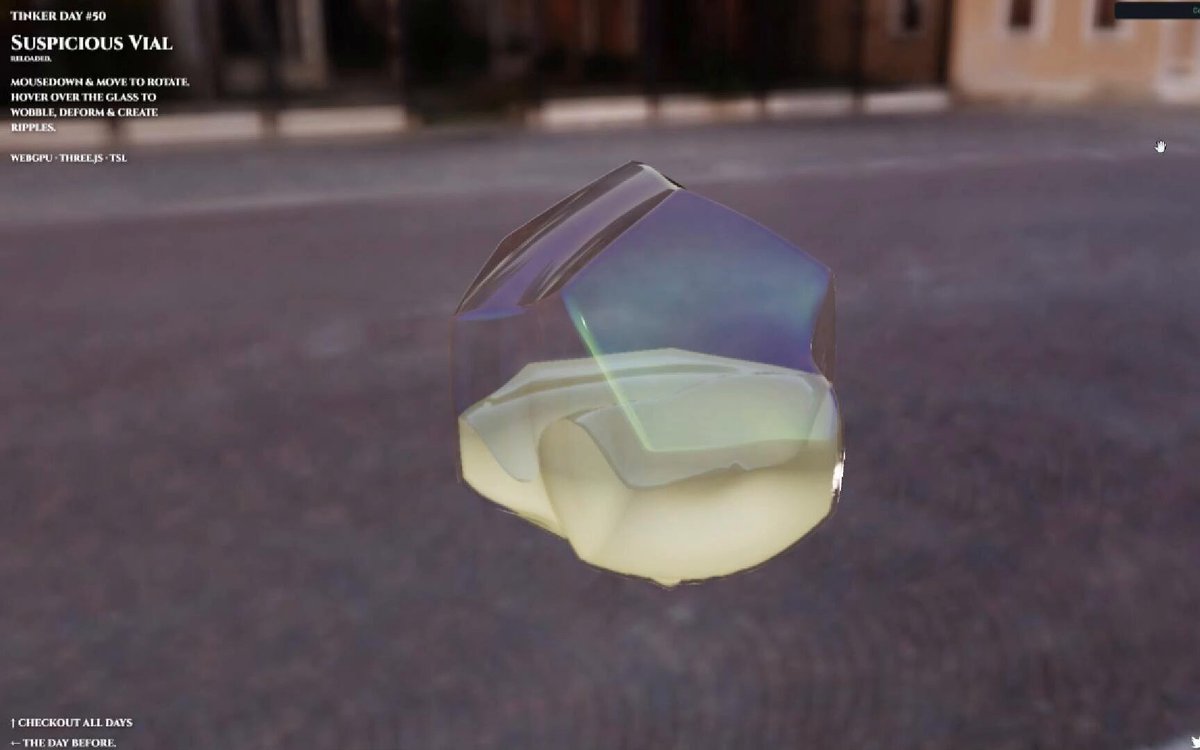
Classic Pure-glsl Potion Bottle Shader Modernized into WebGPU
A classic pure-GLSL potion bottle shader modernized into WebGPU using Three Shading Language (TSL). The port improves upon the original with thick glass surface refraction, spring-damped wobble elasticity, and buoyant liquid sloshing dynamics. 💡 **Highlight:** A textbook demonstration of migrating legacy GLSL into modular node-based TSL shaders, delivering rich dielectric refraction and fluid momentum.
 6 Likes
Creative WGSL Piece Built on Webgpu
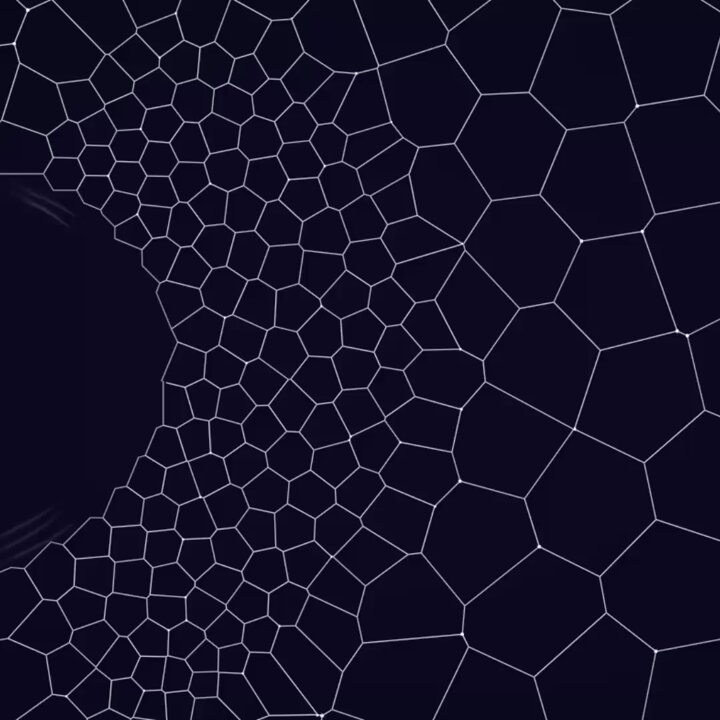
Generative artist sib shares 'Flowing Cells', a creative WGSL piece built on WebGPU. Utilizing differential wave equations, the compact shader simulates organic cellular membrane deformation, diffusion, mitosis, and luminous surface oscillation within an ambient fluid medium. 💡 **Highlight:** Elegant differential calculus running in WGSL compute transforms abstract math into a pulsating, living microscopic realm.
 14 Likes
Anderson Mancini's Project Endurance, a GT3 racetrack in WebGPU
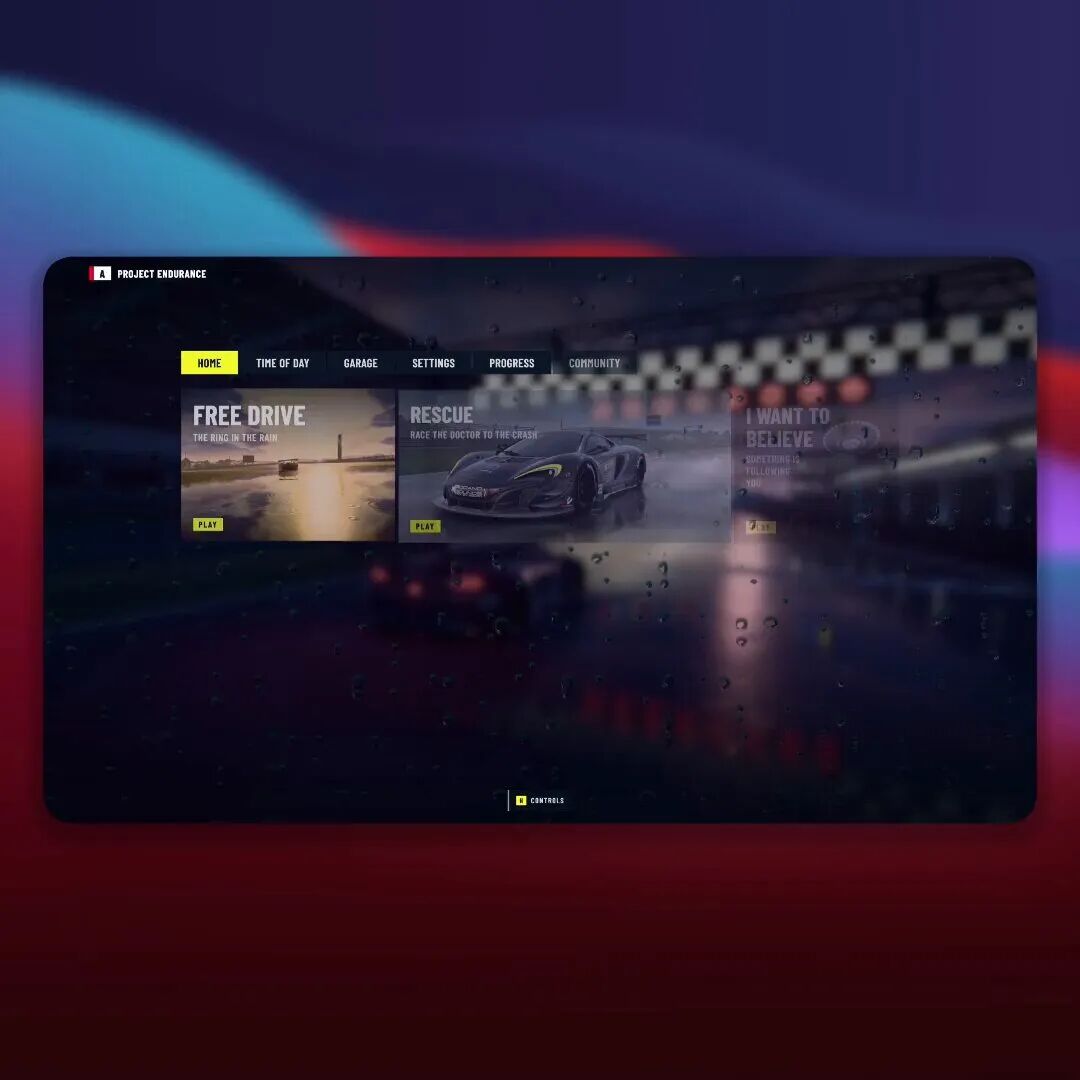
Celebrated Web3D creator Anderson Mancini unveiled Project Endurance, recreating a rain-drenched GT3 racetrack directly inside a single browser tab. Built upon Three.js, WebGPU, TSL (Three.js Shading Language), and the Rapier physics engine, it renders hyper-realistic dynamic rain spray, wet asphalt reflections, and tire grip physics. 💡 **Highlight:** The graphical high-water mark for web-based racing, where WebGPU and TSL compute shaders fully unleash wet-surface physically based reflections.
 543 Likes
Dan Greenheck Open-sources Three.js Particle Fluids for WebGPU
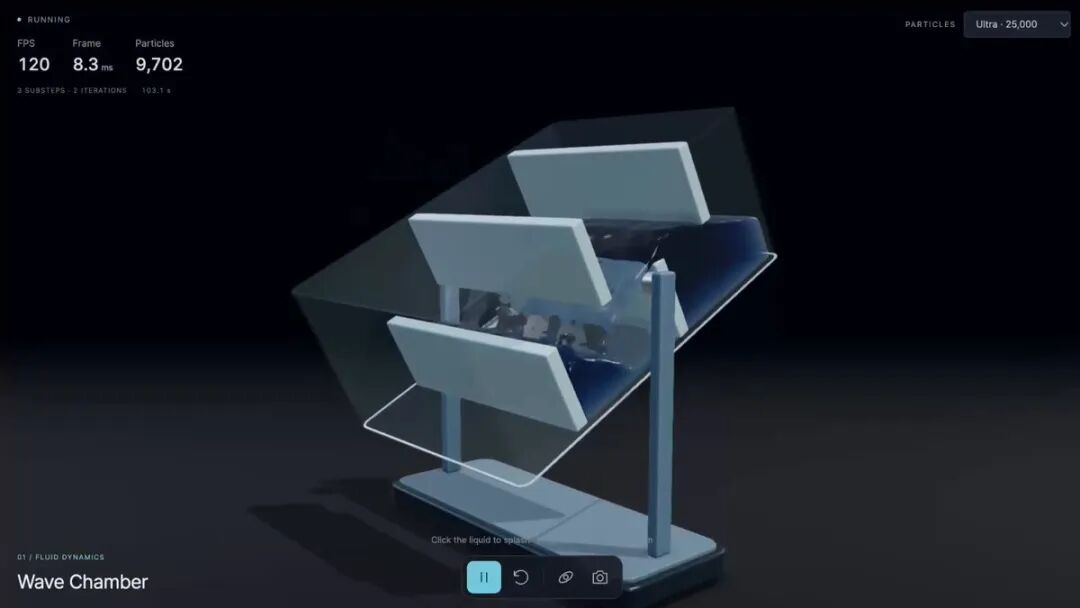
Dan Greenheck open-sources Three.js Particle Fluids, an exceptional WebGPU-accelerated physics engine. Harnessing native compute shaders, it delivers real-time SPH fluid dynamics, rigid-body collisions, soft-body viscoelastic solvers, and dynamic cloth tearing in the browser, complete with live interactive demos and full source code on GitHub.