
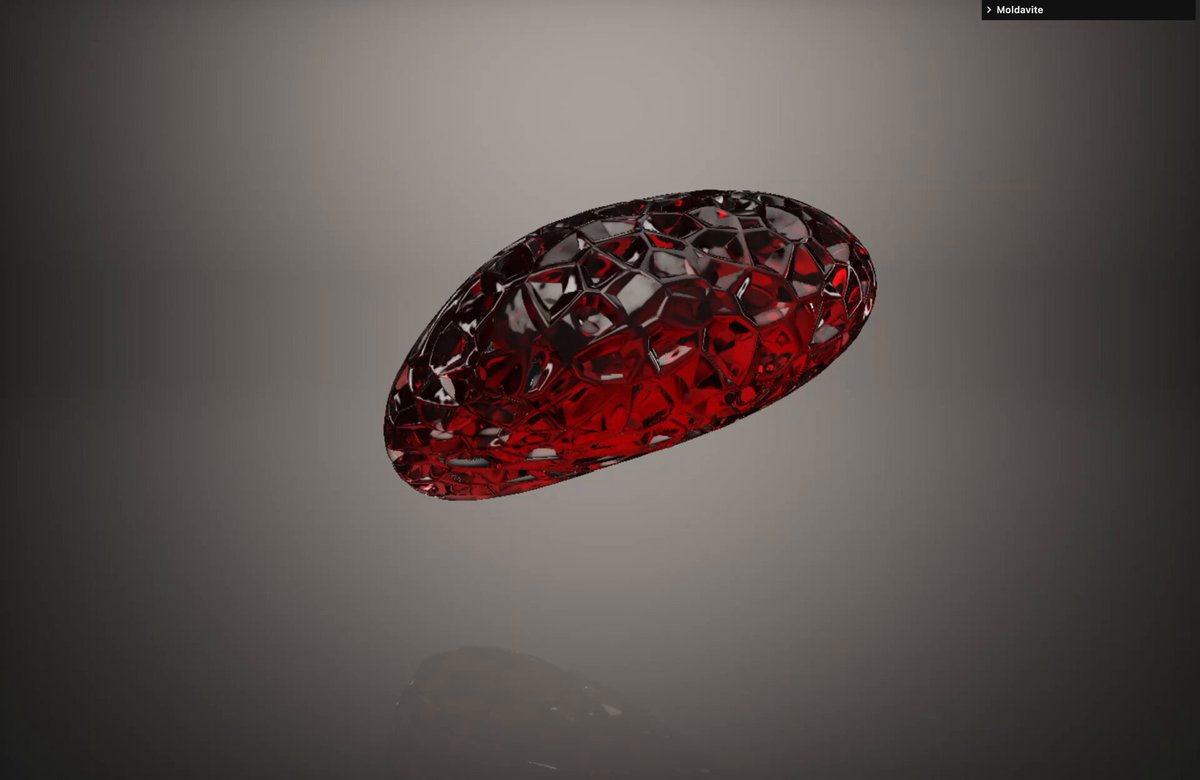
Open-source Moldavite Meteorite Shader Study on CodePen
By @sabosugi • Curated • 33 likes on X
 Open Live Demo ↗
Open-source Moldavite meteorite shader study on CodePen using Three.js, rendering deep translucent subsurface scattering (SSS), chromatic dispersion, and gem-like multifaceted light refractions.
More from @sabosugi
Other projects by Sabo Sugi / Three.js & Shaders
 183 Likes
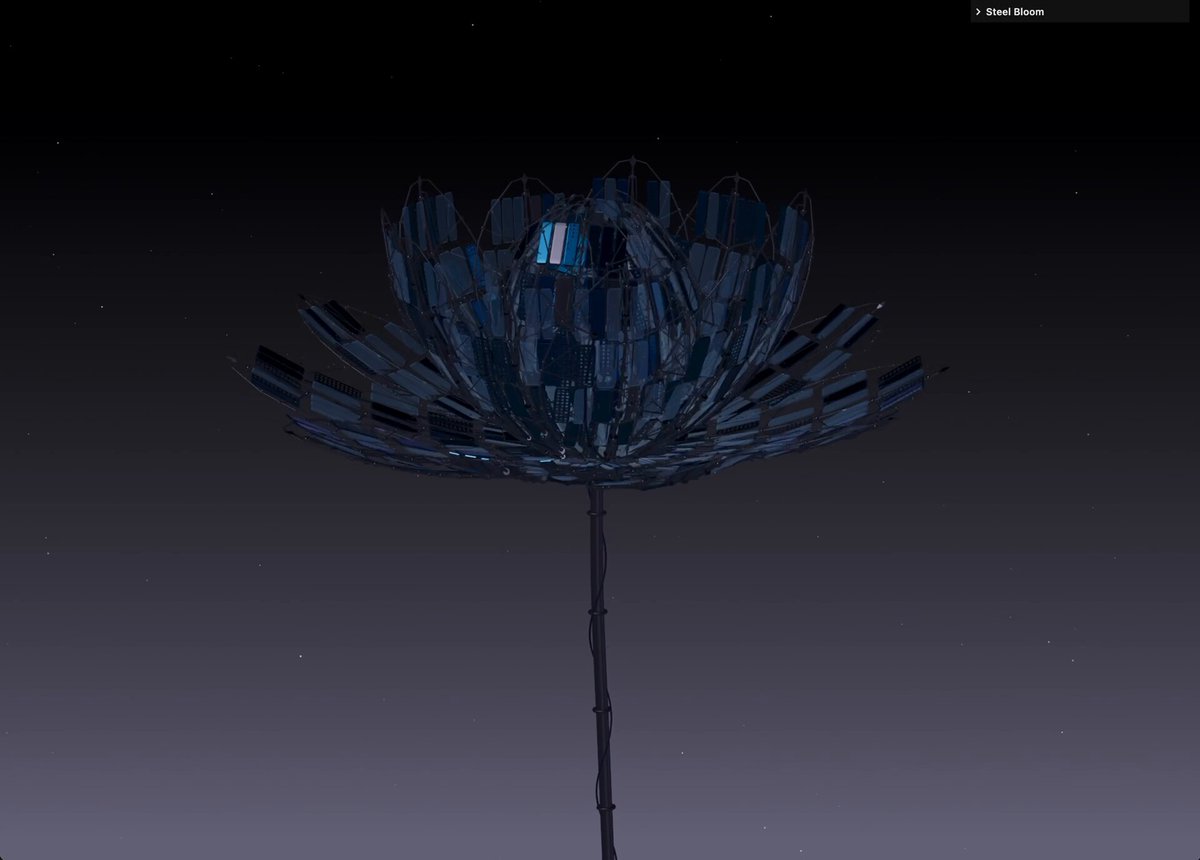
Sabosugi releases Steel Bloom, a procedural metallic flower shader
Creative developer sabosugi released Steel Bloom, using custom Three.js GLSL shaders to render a procedural blooming metallic flower.
 22 Likes
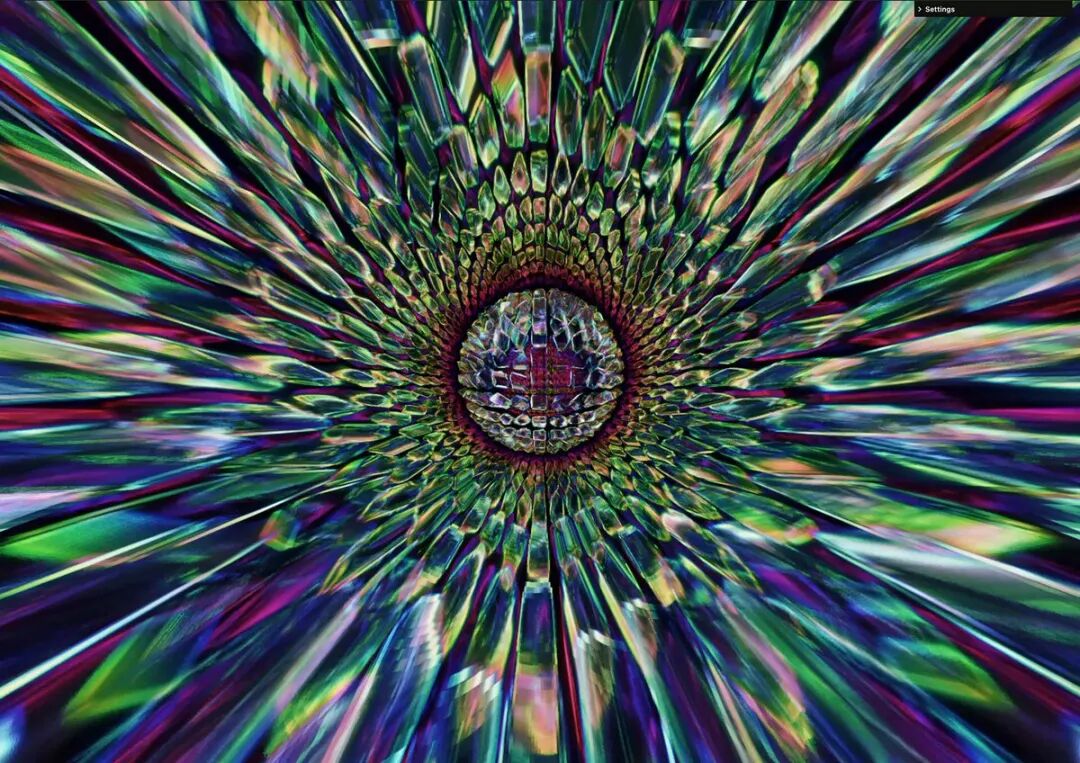
Japanese Shader Artist Sabosugi Publishes 'Inside Neon Crystals'
Japanese shader artist sabosugi publishes 'Inside Neon Crystals' on CodePen, an optical raymarching study written in GLSL. Computing internal total reflections and chromatic absorption across high-refractive crystal facets, luminous neon tubes cast ethereal glow against dark geometric prisms. 💡 **Highlight:** Open-source raymarching total internal reflections inside faceted crystals on CodePen offer an invaluable resource for learning optical shaders.
 68 Likes
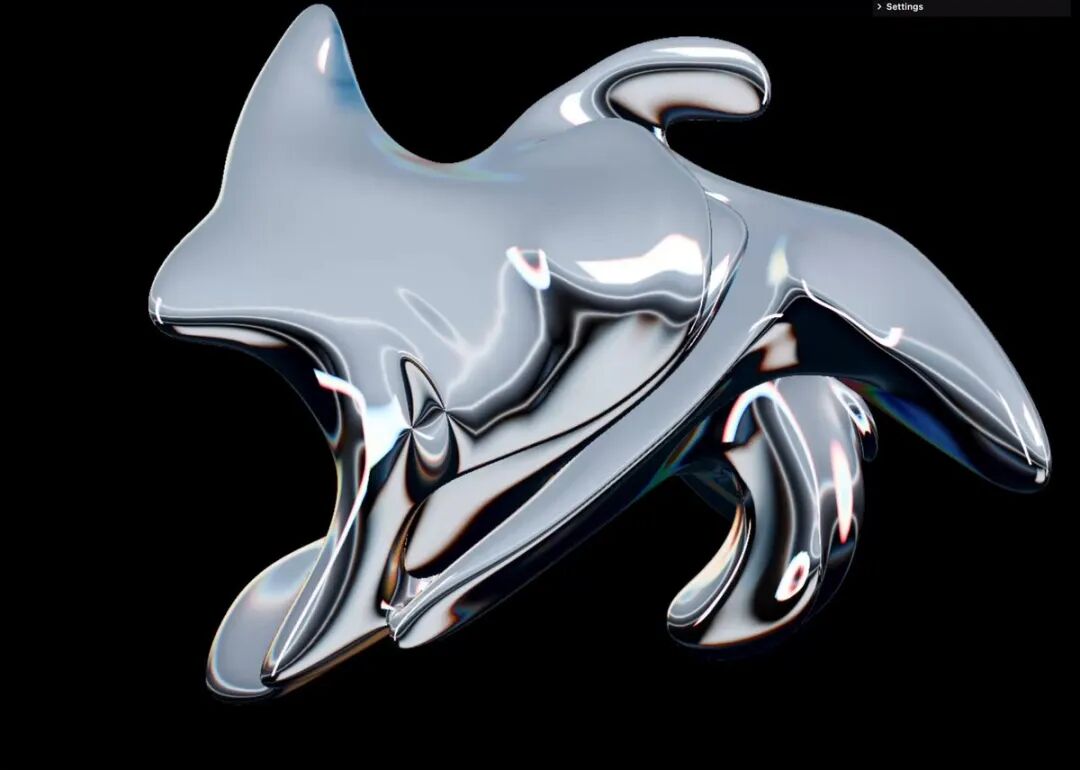
Sabosugi open-sources Abstract Chrome Liquid, a GLSL shader
Creative coder sabosugi open-sources 'Abstract Chrome Liquid' on CodePen. Driven by 3D simplex noise and environmental reflection maps, the GLSL fragment shader renders an undulating mercury-like liquid surface with striking metallic Fresnel glints and dynamic specular curvature. 💡 **Highlight:** Liquid mercury chrome shaders marrying industrial metallic sheen with organic fluid physics in a clean CodePen demo.
 65 Likes
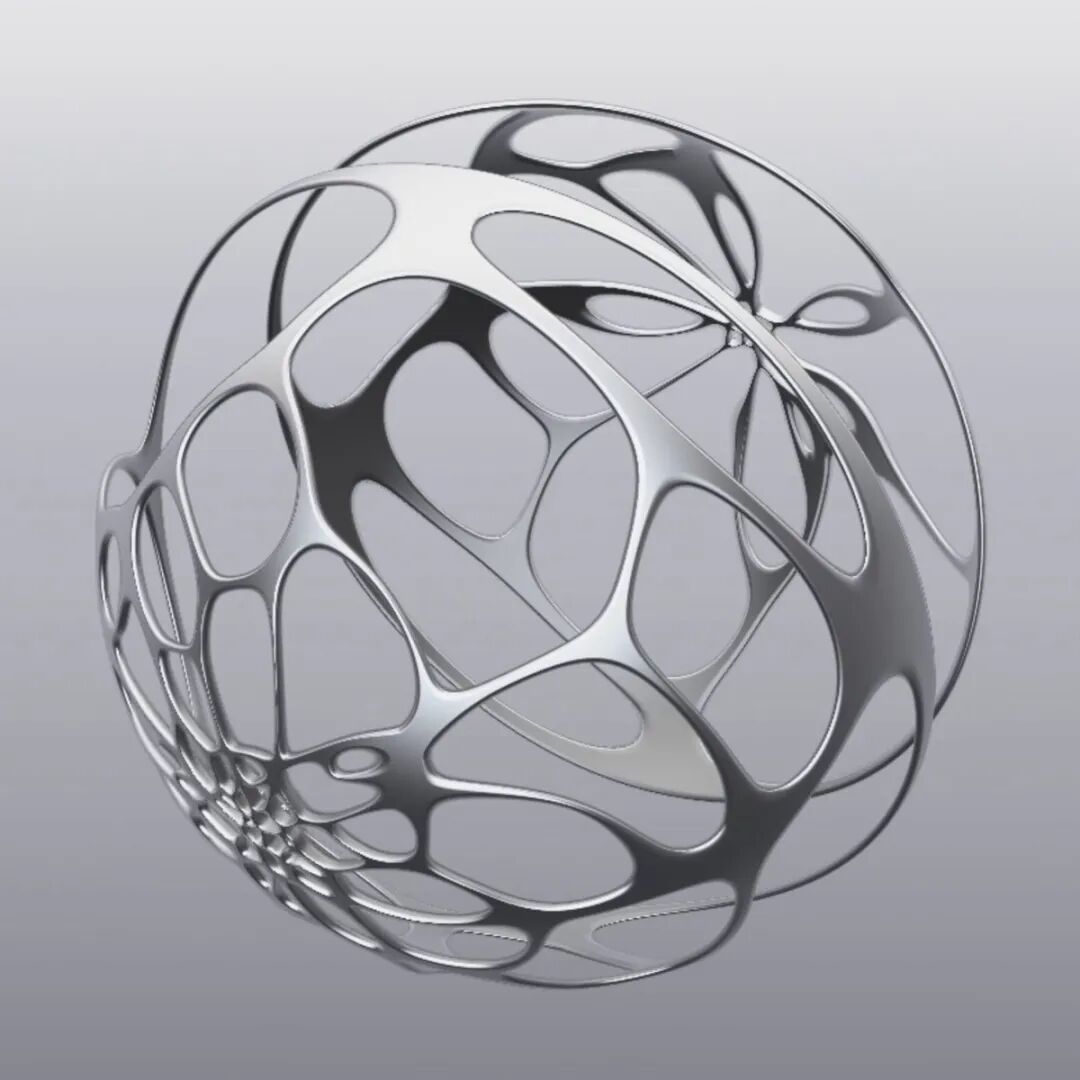
Sabosugi's Organic Chrome Orb, a GLSL wave-displaced sphere
Another mesmerizing GLSL piece by sabosugi, 'Organic Chrome Orb' applies periodic harmonic wave displacement across a spherical mesh. Paired with high-contrast equirectangular environment reflections and vignette post-processing, the orb resembles a living, pulsating sphere of liquid chrome. 💡 **Highlight:** Rhythmic wave displacements and metallic environmental reflections impart a mesmerizing, breathing vitality to a floating liquid chrome sphere.
More Three.js Shaders
Projects curated around the same time in this topic
 15 Likes
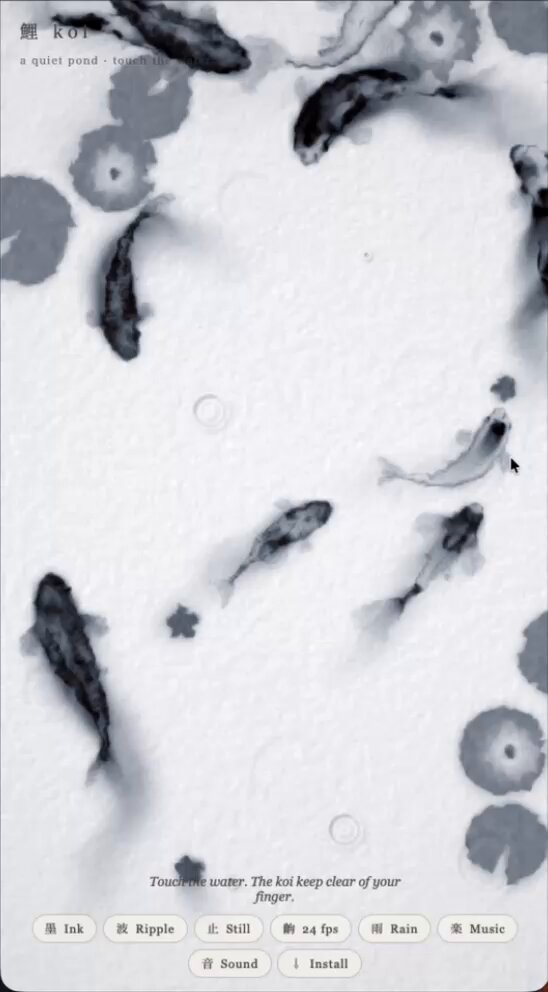
Codevember Zen Koi Pond
Artistic 3D koi pond simulation driven by Boids flocking algorithms with real-time post-processing filters for ink-wash, watercolor, and photorealism.
 11 Likes
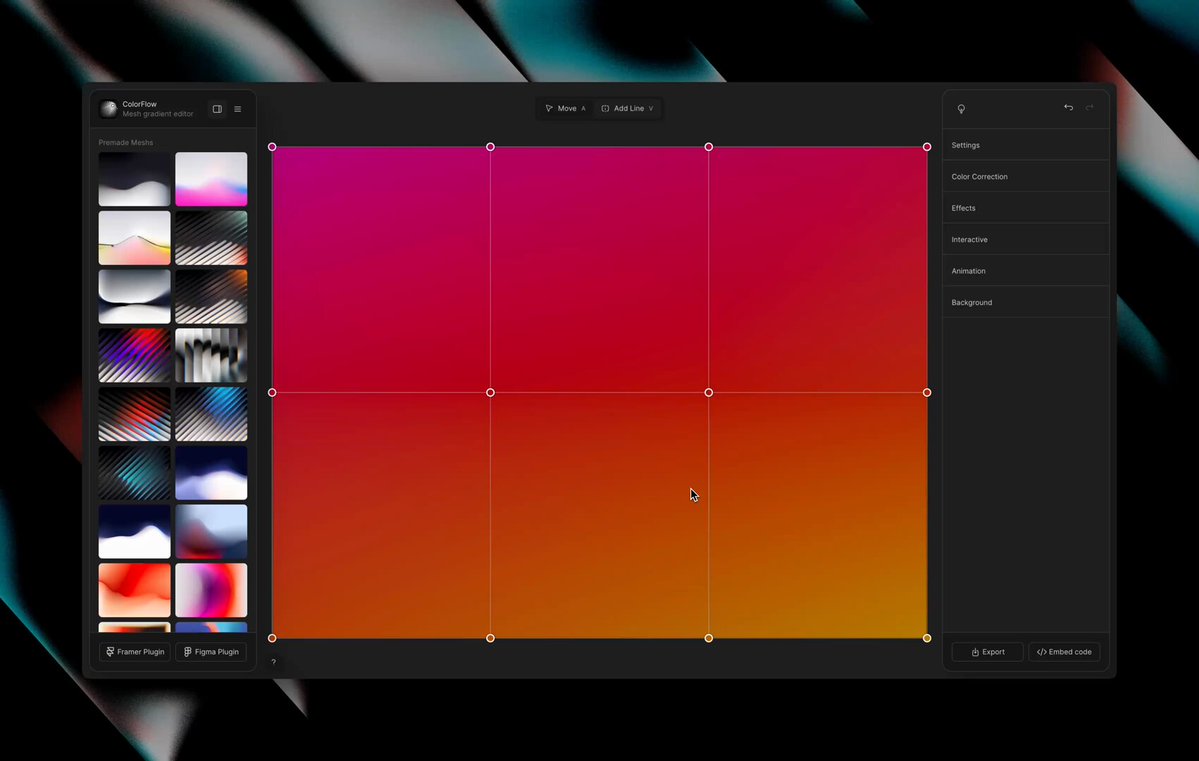
Hey Detya curates a gallery of 3D hero sections and GLSL shaders
Curated gallery of cutting-edge 3D web experiences and GLSL shaders, capturing inventive navigation mechanics, hero animations, and shader techniques for contemporary creative web developers.
 12 Likes
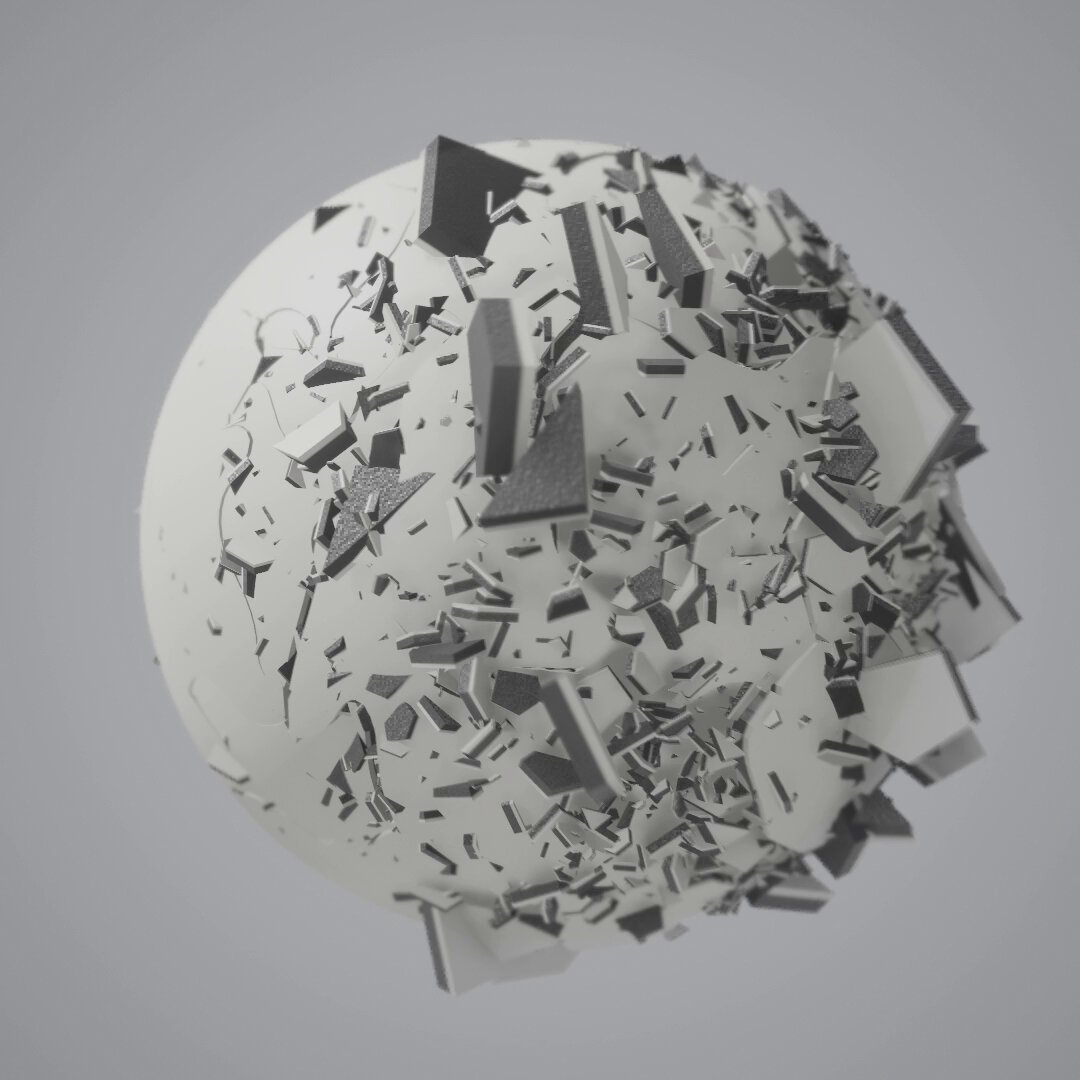
Graphics developer thespite shares a Codevember shatter experiment
Codevember shattered glass physics experiment by graphics veteran thespite, utilizing Three.js and custom GLSL refraction passes to depict explosive, photorealistic glass fracture dynamics.
 117 Likes
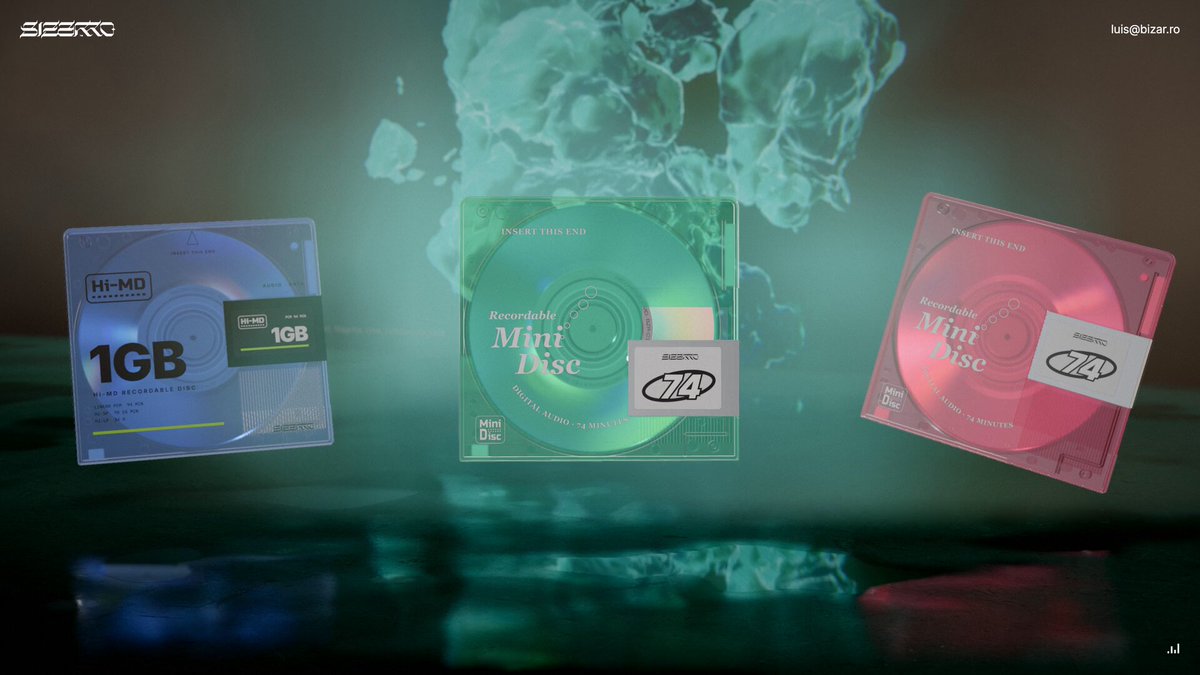
Luis Bizarro's MiniDiscs WebGL experiment with holographic shine
Nostalgic interactive CD-ROM simulation powered by native WebGL and GLSL shaders, faithfully reproducing holographic thin-film optical interference and iridescent rainbow diffraction under ambient lighting.
 21 Likes
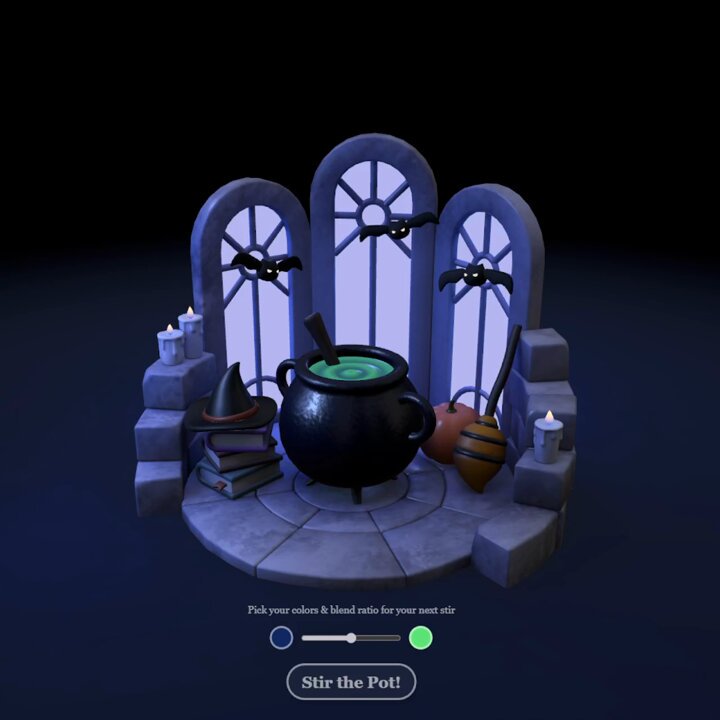
Chimakes3d's Halloween witch cauldron built with Three.js TSL
Interactive Halloween witch's cauldron built with Three.js Shading Language (TSL), faithfully simulating boiling fluid bubbles, radiant glowing embers, and expanding surface ripples.
 2 Likes
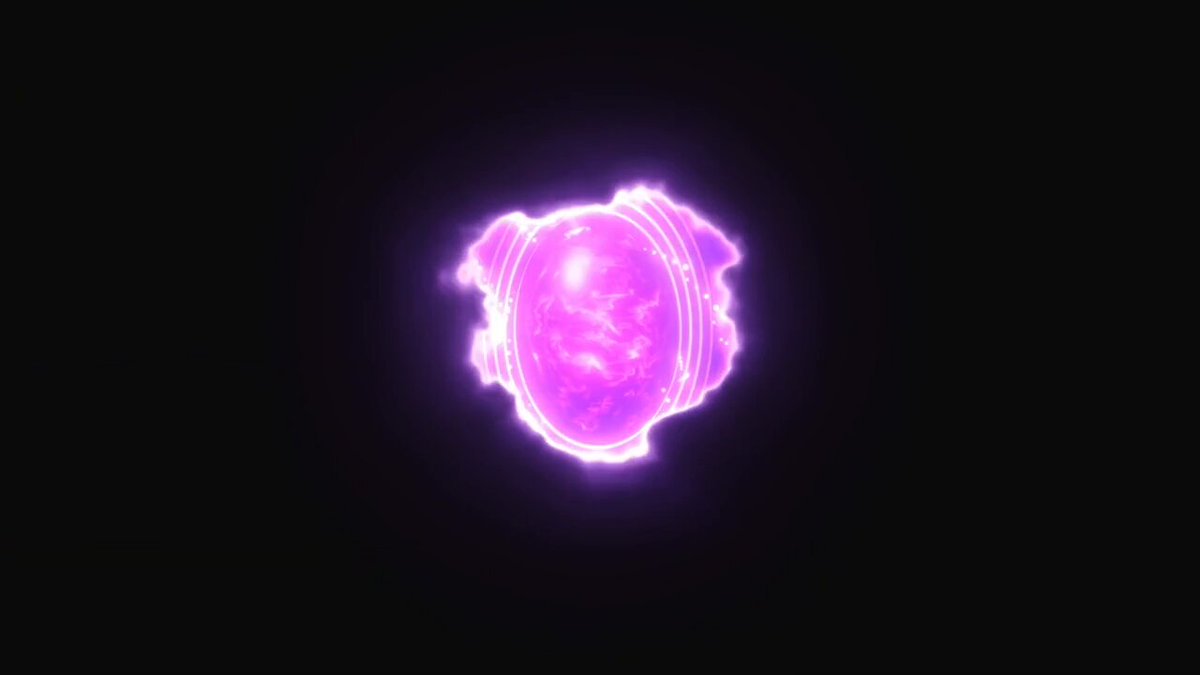
Jason Jerez launches an MCU-inspired WebGL portfolio
My new portfolio is live. An MCU-inspired experience featuring Infinity Stones, a portal, a branching timeline, and a few details worth exploring. --> https://jasonjerez.com/ #webdesign #webgl #shaders #glsl #creativedev #javascript #design #Marvel #MCU
 47 Likes
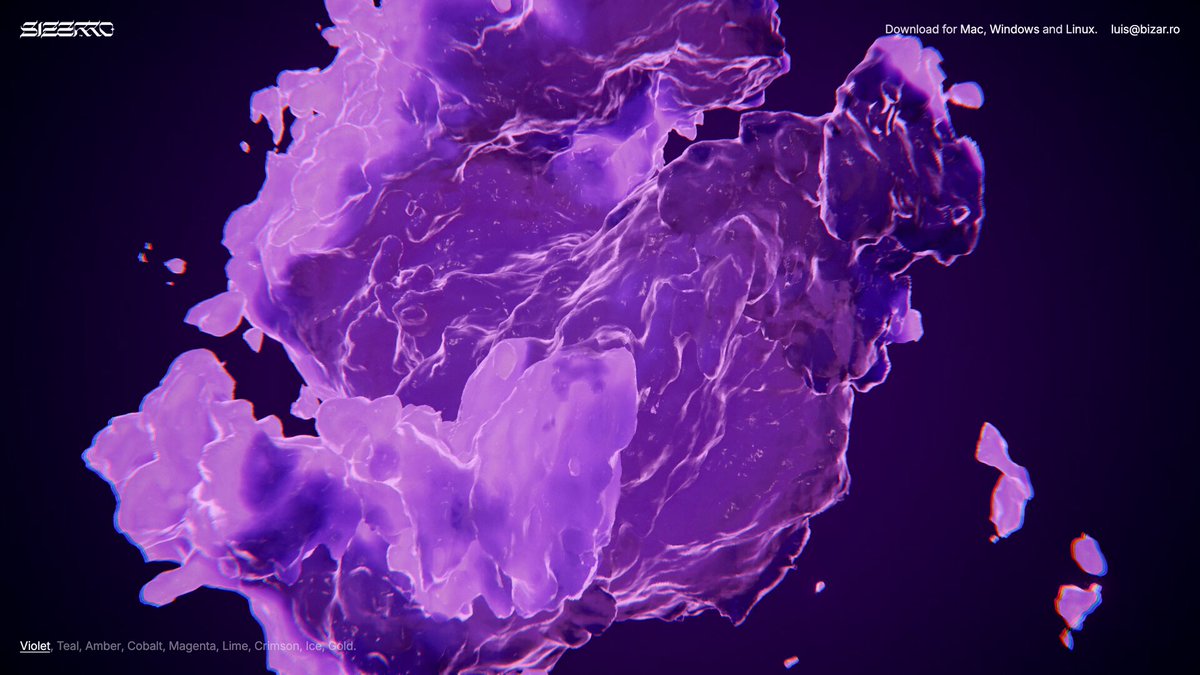
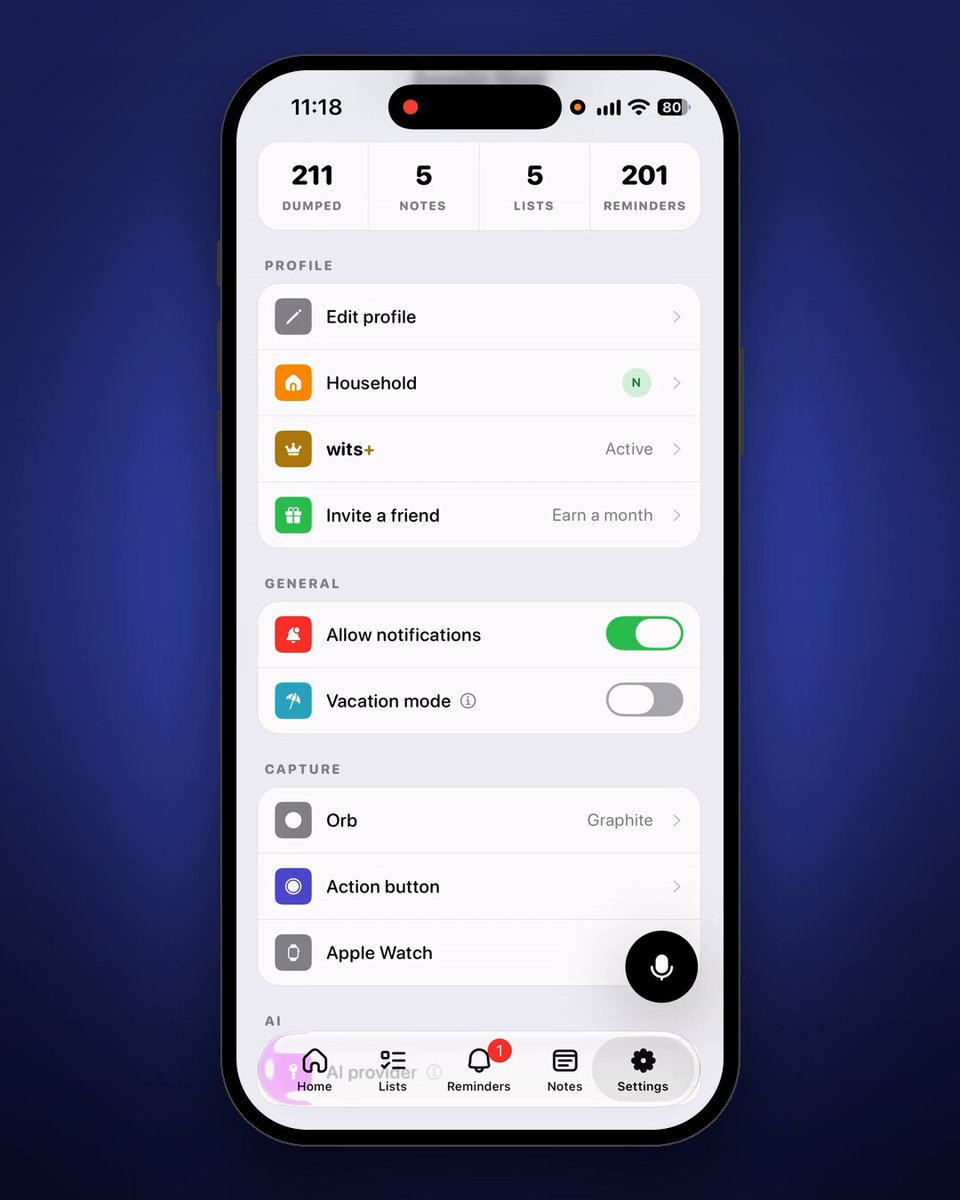
Luis Bizarro builds Gooey, a WebGPU gel with subsurface scattering
"Gooey", an interactive WebGPU and native WGSL shader experiment by Luis Bizarro, implementing realistic subsurface scattering (SSS) for a translucent, gelatinous fluid feel. Dragging the gel surface triggers spring-damped elastic deformations and tactile ripple waves. 💡 **Quick Take:** WGSL subsurface scattering meets soft-body physics, producing an irresistible, tactile jello-like interactive sensation!
 23 Likes
Audio-reactive Voice Orb Shader Ported From Expo Skia to WebGL
Audio-reactive Voice Orb shader ported from mobile Expo Skia directly to browser WebGL by Aswin. Responding dynamically to live microphone input, the orb pulses gently at idle, roils with speech amplitude and frequency FFTs, and glides smoothly back to rest during pauses. 💡 **Quick Take:** Bridging native Skia to WebGL, this living shader orb breathes tangible life into conversational voice interfaces.
Related Three.js Examples
More projects that share this one's topics
 1,913 Likes
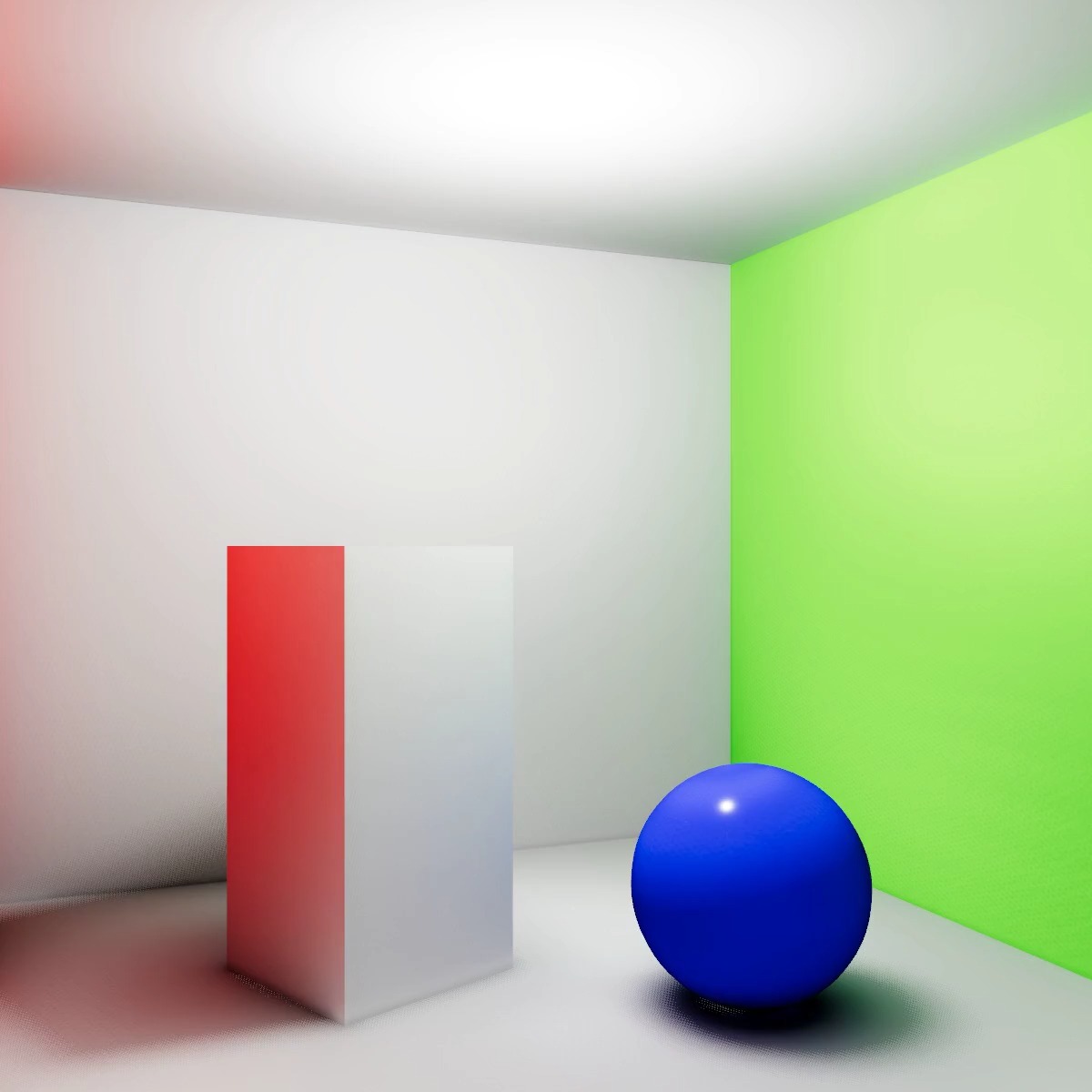
Three.js Official Release R187
Milestone Three.js r187 release introducing native Meshlet geometry pipeline, overhauled WebGPU node materials, and TSL syntax upgrades for high-poly scenes.
 80 Likes
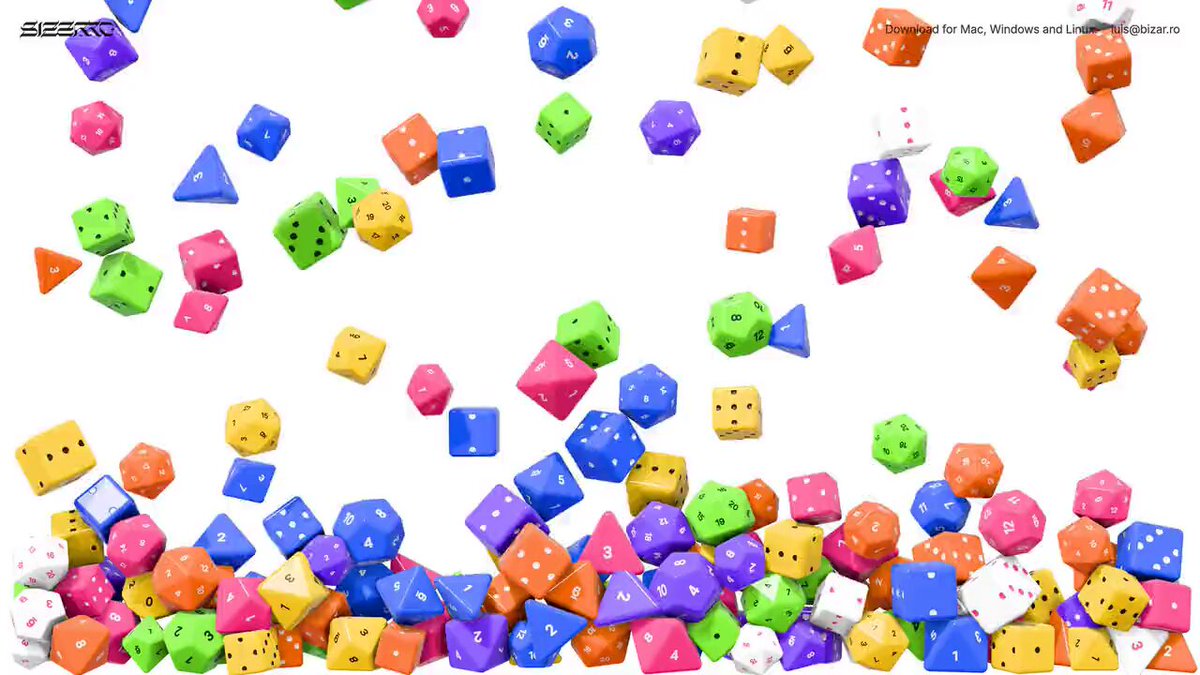
Luis Bizarro builds a GPU rigid-body cube simulation in WebGPU
Creative frontend and graphics engineer Luis Bizarro presents a GPU-driven rigid-body simulation built with WebGPU and WGSL. Focusing on dynamic 3D cube collisions and spatial bin packing, the entire pipeline—broadphase grid acceleration, narrowphase collision detection, and position Verlet integration—runs inside compute shaders, handling hundreds of falling dice with negligible CPU overhead. 💡 **Highlight:** End-to-end compute shader physics demonstrates WebGPU's immense performance advantage for compute-heavy collision dynamics.
 122 Likes
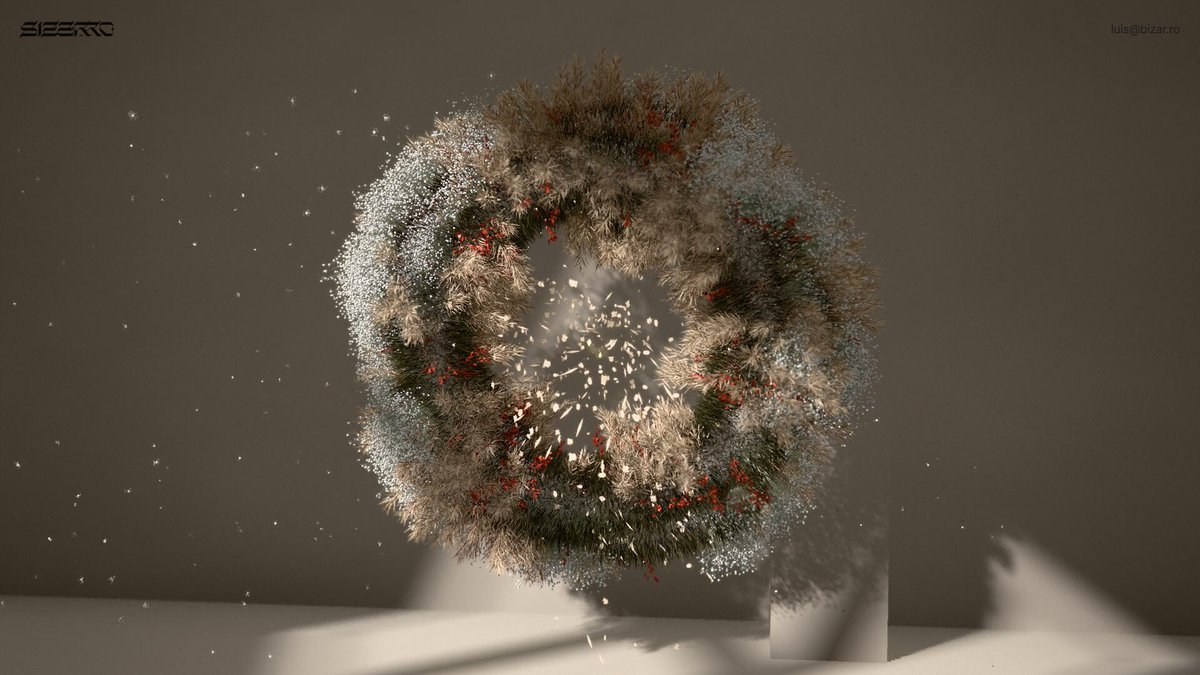
Luis Bizarro's photorealistic nature study in WebGPU and WGSL
Creative coder Luis Bizarro unveils a photorealistic nature rendering study driven by WebGPU and WGSL. Simulating blooming petals, wind-blown grass blades, contact shadows, and suspended airborne dust particles, the native WGSL pipeline captures the golden warmth of an afternoon garden. 💡 **Highlight:** Seamless coordination between WebGPU compute shaders and graphics pipelines simulates thousands of oscillating foliage blades with atmospheric lighting.
 23 Likes
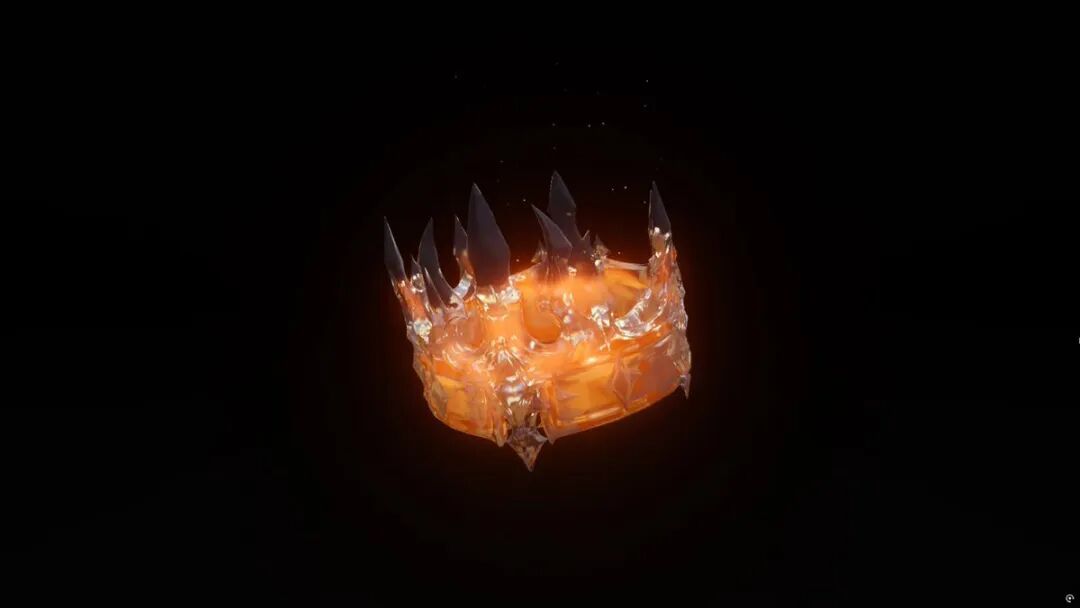
Mike Fernandez's A Crown of Ice and Fire, an SDF shader in WebGPU
- **Overview**: Developer Mike Fernandez unveiled A Crown of Ice and Fire, a shader artwork utilizing three-mesh-bvh to dynamically construct GPU-side signed distance fields (SDF). Coupled with a WebGPU pipeline, it computes physical collision attenuation, chromatic dispersion, and particle scattering between interacting flame and frost halos. - **Highlight**: A visual tour de force of signed distance fields: three-mesh-bvh and WebGPU deliver breathtaking kinetic radiance. - **Project Link**: https://mikefernandez-pro.github.io/a-crown-of-ice-and-fire