
Hey Detya curates a gallery of 3D hero sections and GLSL shaders
By @HeyDetya • Curated • 11 likes on X
 Open Live Demo ↗
Curated gallery of cutting-edge 3D web experiences and GLSL shaders, capturing inventive navigation mechanics, hero animations, and shader techniques for contemporary creative web developers.
More Three.js Shaders
Projects curated around the same time in this topic
 9 Likes
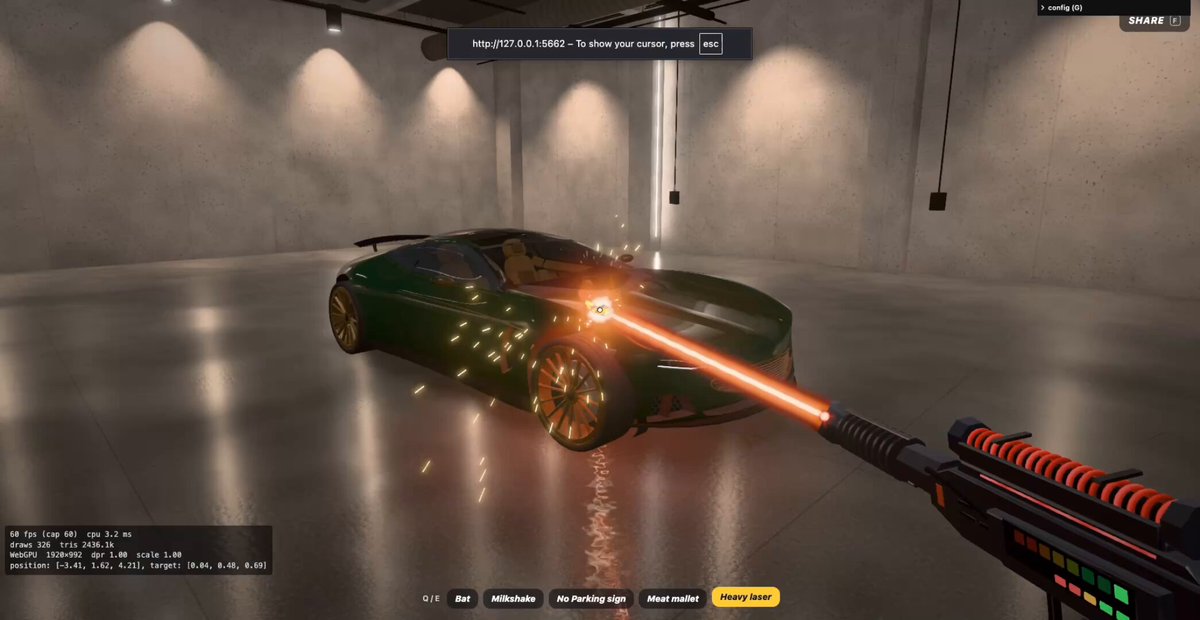
Andrei Provkin's Rage Garage: six ways to wreck a supercar
Rage Garage gives you one supercar and six ways to wreck it: dent it, shatter it, freeze it solid or cut it in half with a laser. Andrei Provkin built it with Claude Opus 5.5 in 51 agent-hours; everything is procedural Three.js TSL code with zero assets.
 13 Likes
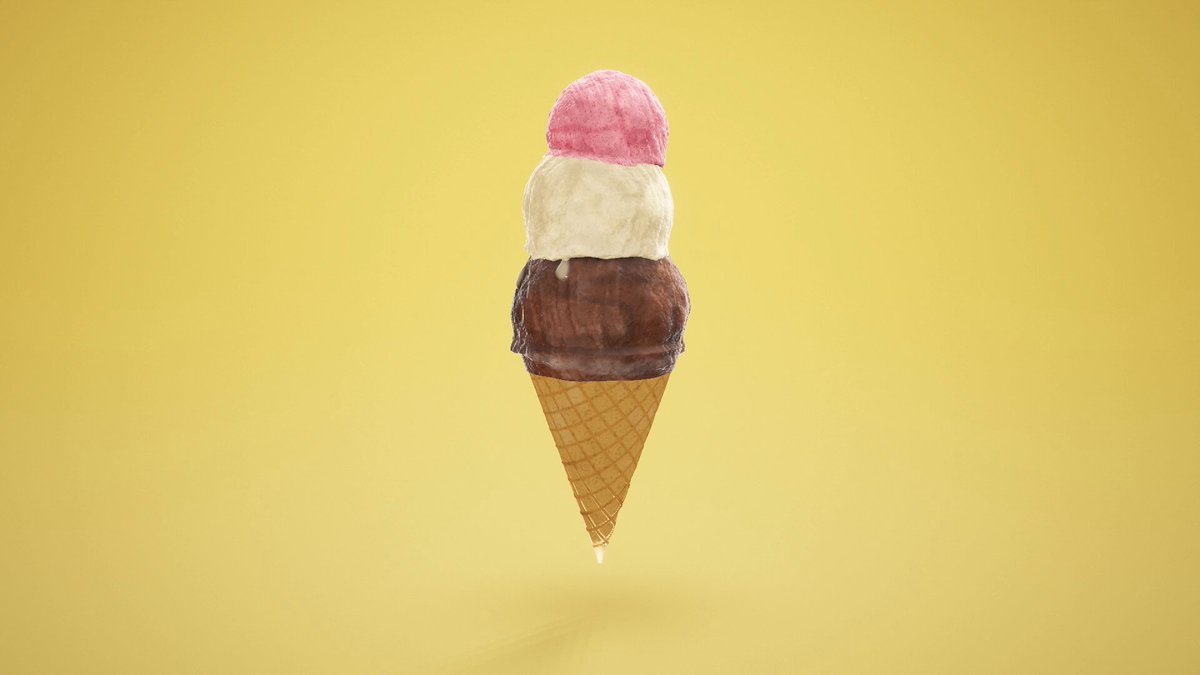
Vipin Pathak makes a melting metal shader experiment in Three.js
3D melting shader experiment built for creative coding jams, using smooth displacement noise and vertex deformation algorithms to turn metallic meshes into dripping, liquefying surrealist sculptures.
 52 Likes
A curated web design style dashboard aggregates cutting-edge
Structured web design trend dashboard built using automated scraping and AI synthesis, curating hundreds of cutting-edge WebGL, shader, and spatial interaction references for frontend developers.
 15 Likes
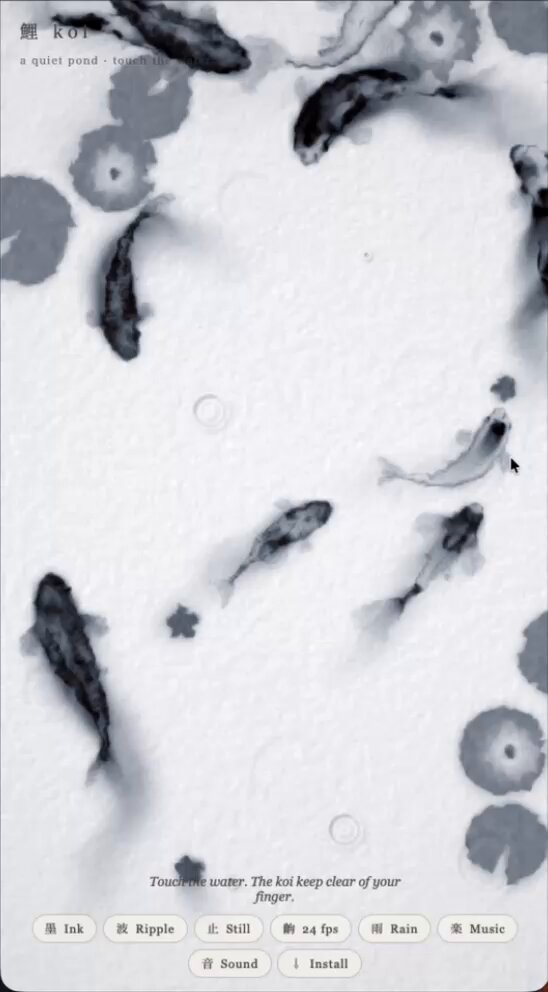
Codevember Zen Koi Pond
Artistic 3D koi pond simulation driven by Boids flocking algorithms with real-time post-processing filters for ink-wash, watercolor, and photorealism.
 12 Likes
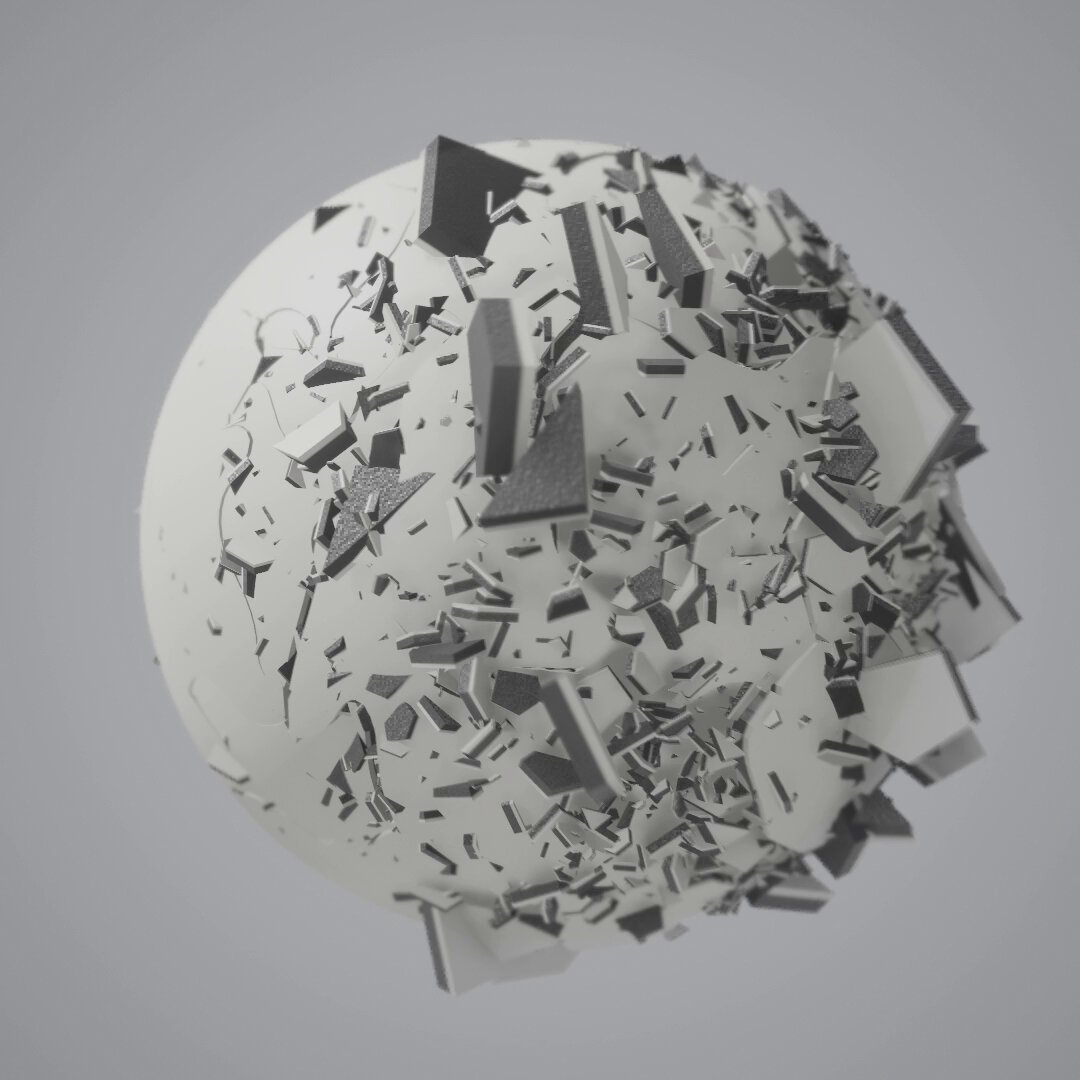
Graphics developer thespite shares a Codevember shatter experiment
Codevember shattered glass physics experiment by graphics veteran thespite, utilizing Three.js and custom GLSL refraction passes to depict explosive, photorealistic glass fracture dynamics.
 117 Likes
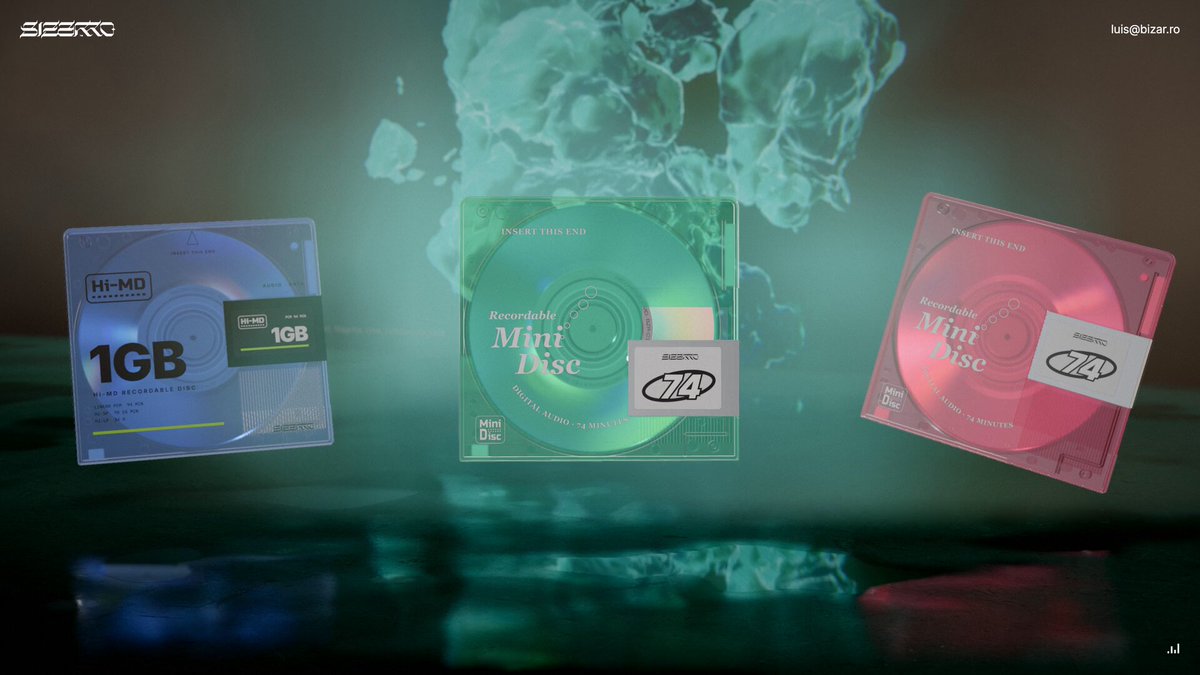
Luis Bizarro's MiniDiscs WebGL experiment with holographic shine
Nostalgic interactive CD-ROM simulation powered by native WebGL and GLSL shaders, faithfully reproducing holographic thin-film optical interference and iridescent rainbow diffraction under ambient lighting.
 33 Likes
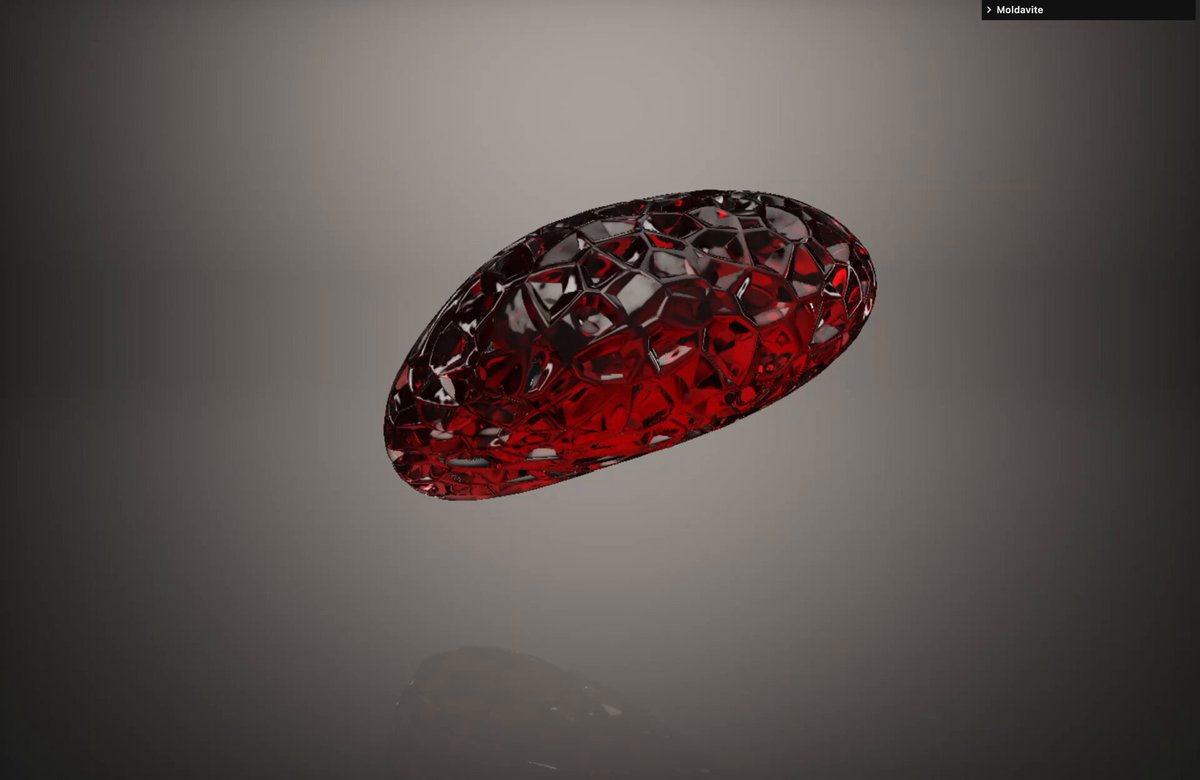
Open-source Moldavite Meteorite Shader Study on CodePen
Open-source Moldavite meteorite shader study on CodePen using Three.js, rendering deep translucent subsurface scattering (SSS), chromatic dispersion, and gem-like multifaceted light refractions.
 21 Likes
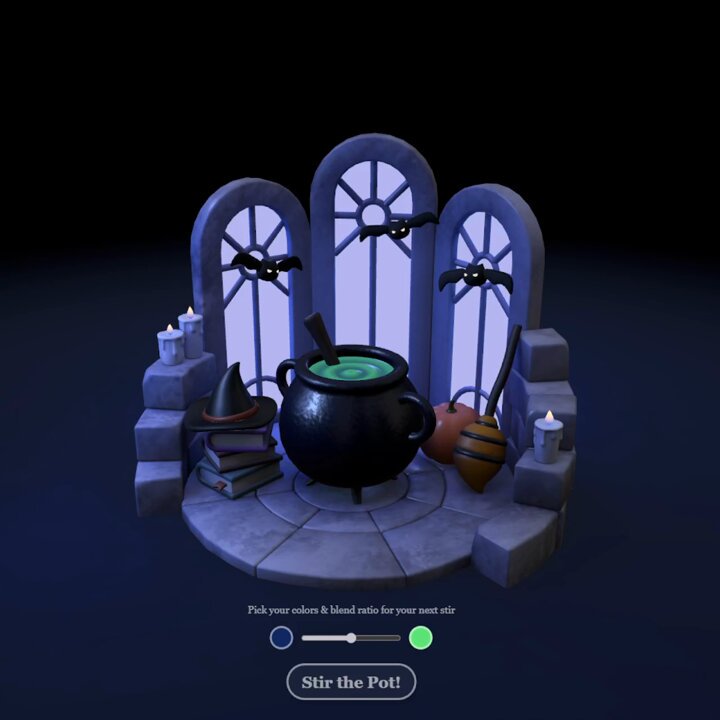
Chimakes3d's Halloween witch cauldron built with Three.js TSL
Interactive Halloween witch's cauldron built with Three.js Shading Language (TSL), faithfully simulating boiling fluid bubbles, radiant glowing embers, and expanding surface ripples.
Related Three.js Examples
More projects that share this one's topics
 2 Likes
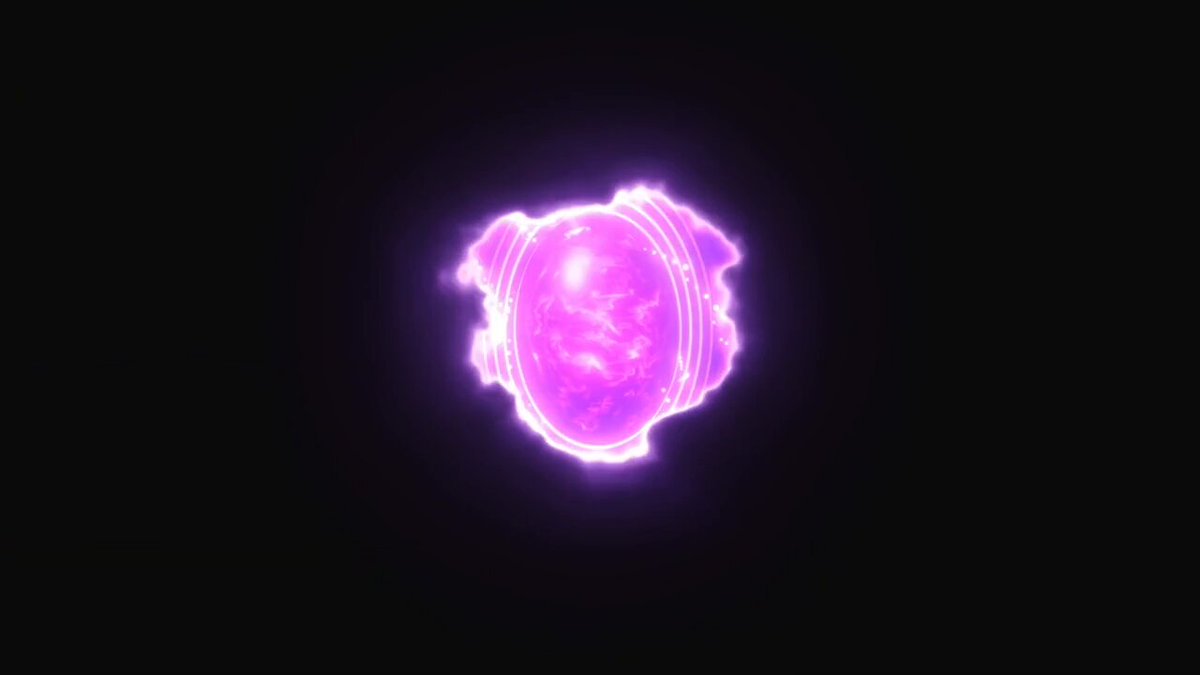
Jason Jerez launches an MCU-inspired WebGL portfolio
My new portfolio is live. An MCU-inspired experience featuring Infinity Stones, a portal, a branching timeline, and a few details worth exploring. --> https://jasonjerez.com/ #webdesign #webgl #shaders #glsl #creativedev #javascript #design #Marvel #MCU
 20 Likes
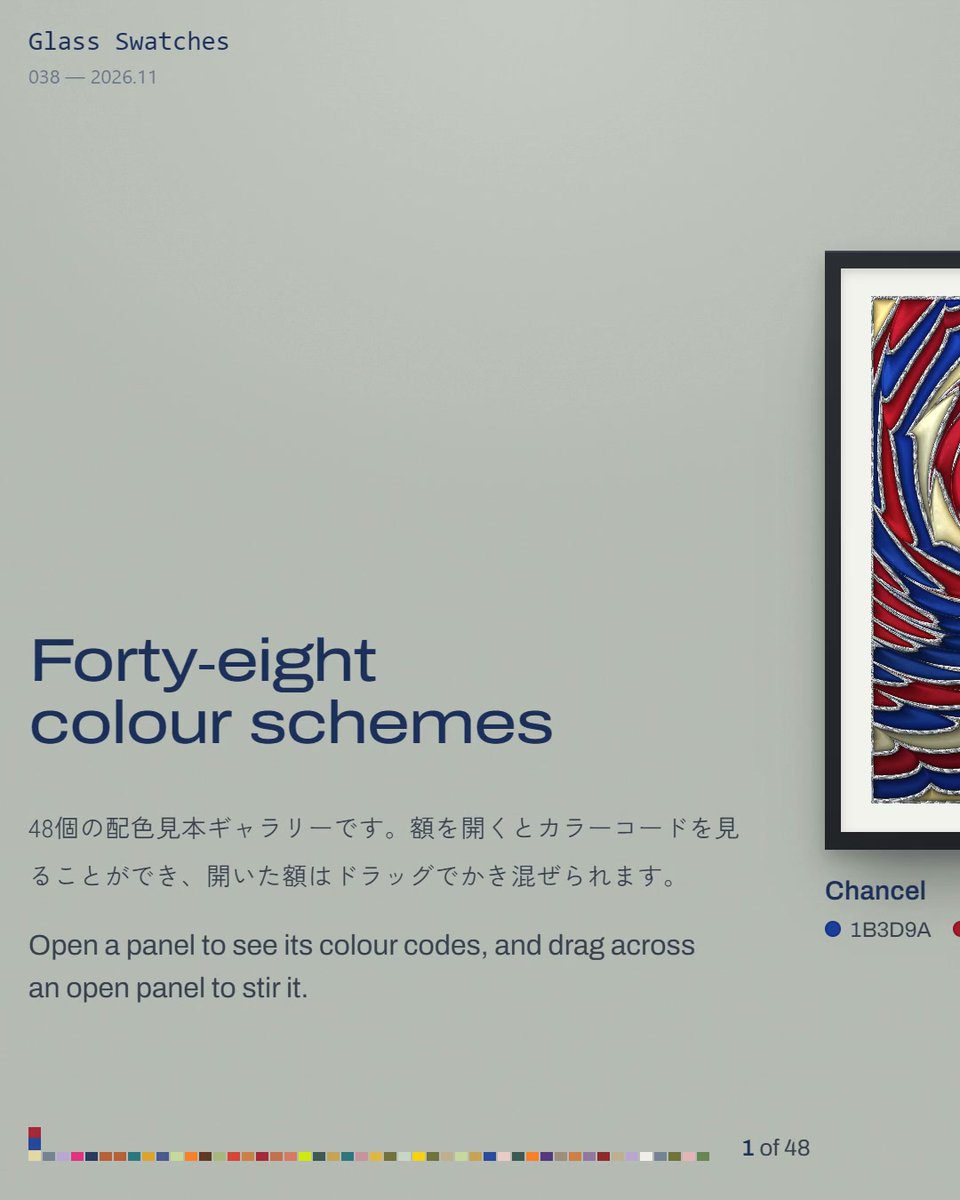
TONASY turns 48 color palettes into a WebGL 2 glass gallery
"Glass Swatches" (Motion Pieces #38) by Japanese creative developer TONASY, crafted in WebGL 2, GLSL, and TypeScript. 48 curated palettes are encapsulated within 3D glass specimen tiles, allowing users to inspect hex codes and drag cards together to mix their refractive liquid colors. 💡 **Quick Take:** 48 curated palettes preserved in WebGL 2 glass frames, blending optical refraction and color-mixing micro-interactions with refined Japanese aesthetics.
 56 Likes
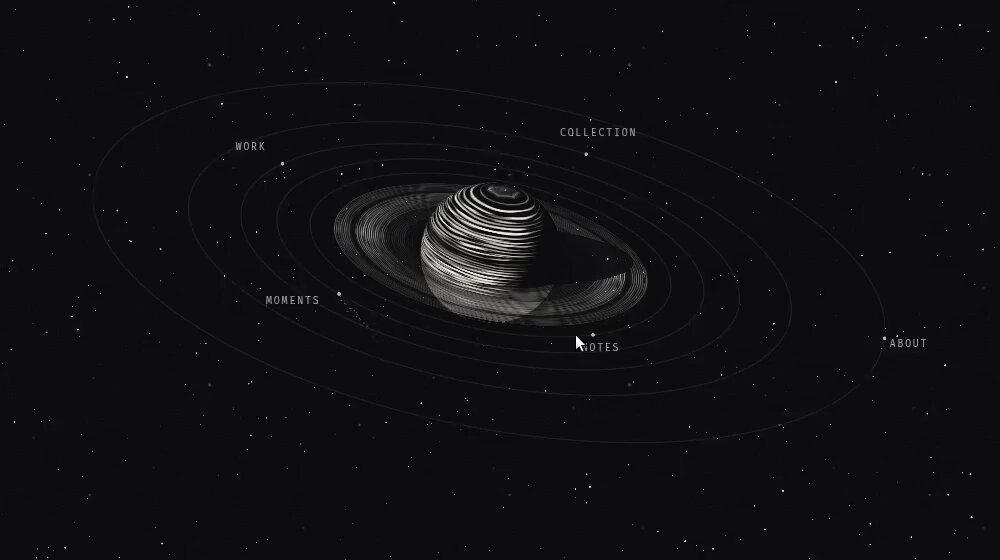
Koimsurai renders HTML text into WebGPU with Chrome's HTML-in-Canvas
Pioneering implementation of Chrome's native HTML-in-Canvas feature by Taiwanese developer Koimsurai, rasterizing DOM text cards directly within a WebGPU canvas. Slashing main-thread CPU usage by 70%, DOM typography now dynamically reacts to gravitational field shaders, warping around celestial rings like tidal cosmic dust. 💡 **Quick Take:** The wall between HTML and WebGPU dissolves: main-thread CPU overhead drops 70% as live web typography seamlessly bends to shader gravitational fields!
 37 Likes
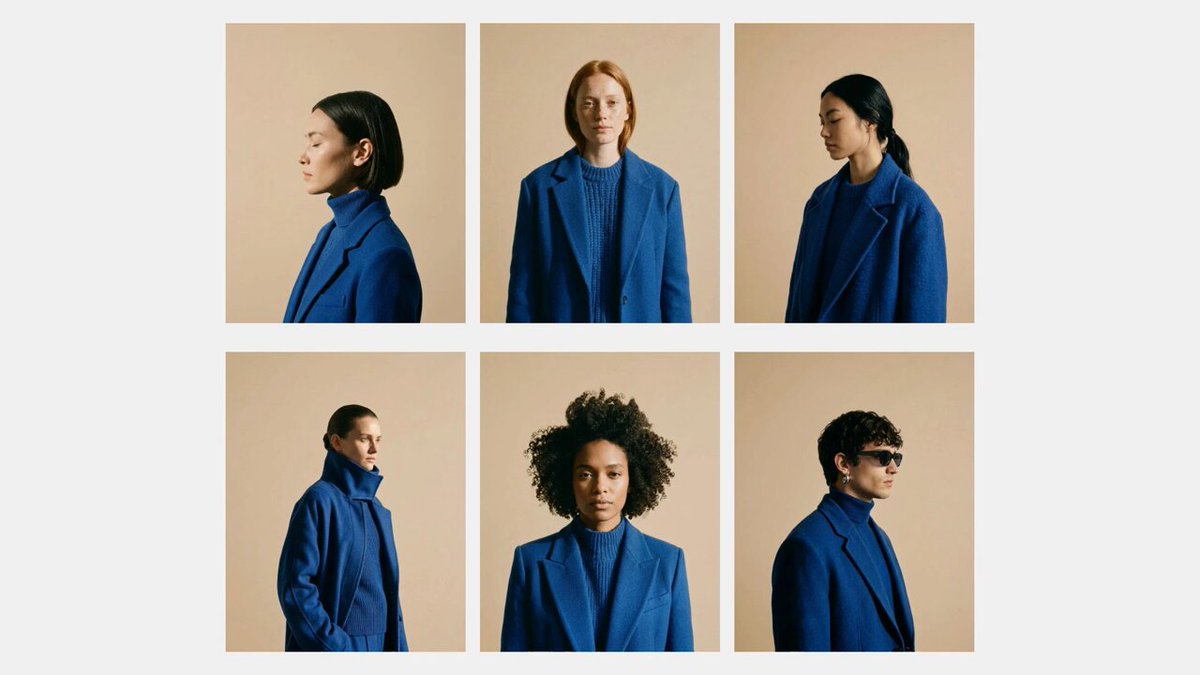
Codrops Lookbook Hover Effects: 8 WebGL Hover Interactions
"Lookbook Hover Effects" open-sourced by Codrops, featuring 8 distinct WebGL hover interactions tailored for fashion catalogs. Moving over cards triggers fluid liquid-glass distortion, realistic paper tearing with curling peels, or cathode-ray TV static transitions, fusing GSAP easing with custom fragment shaders. 💡 **Quick Take:** Liquid glass, curling paper peels, and retro cathode-ray static: Codrops elevates e-commerce lookbook hover micro-interactions to gallery-level digital art.