
Vipin Pathak makes a melting metal shader experiment in Three.js
By @curllmooha • Curated • 13 likes on X
 Open Live Demo ↗
3D melting shader experiment built for creative coding jams, using smooth displacement noise and vertex deformation algorithms to turn metallic meshes into dripping, liquefying surrealist sculptures.
More from @curllmooha
Other projects by Vipin Pathak
 21 Likes
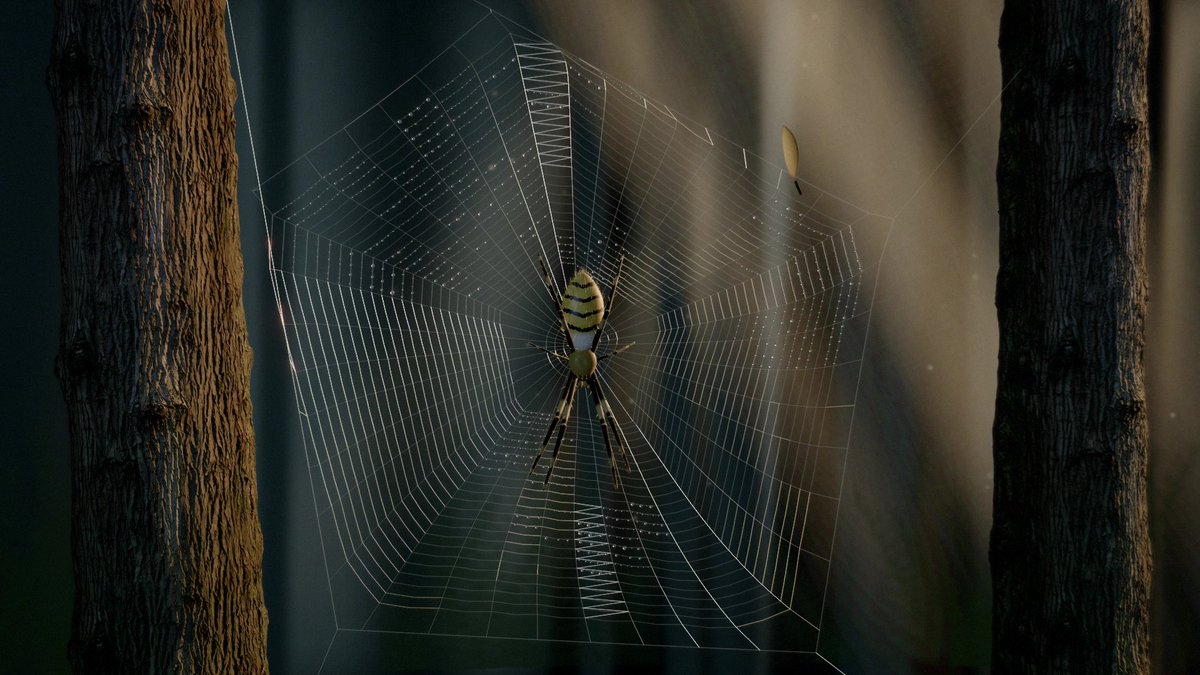
Vipin Pathak showcases Codevember Day 14 Tension
Vipin Pathak showcases Codevember Day 14 Tension, rendering elastic physics, particle dynamics, and responsive tactile mesh tension in Three.js.
 24 Likes
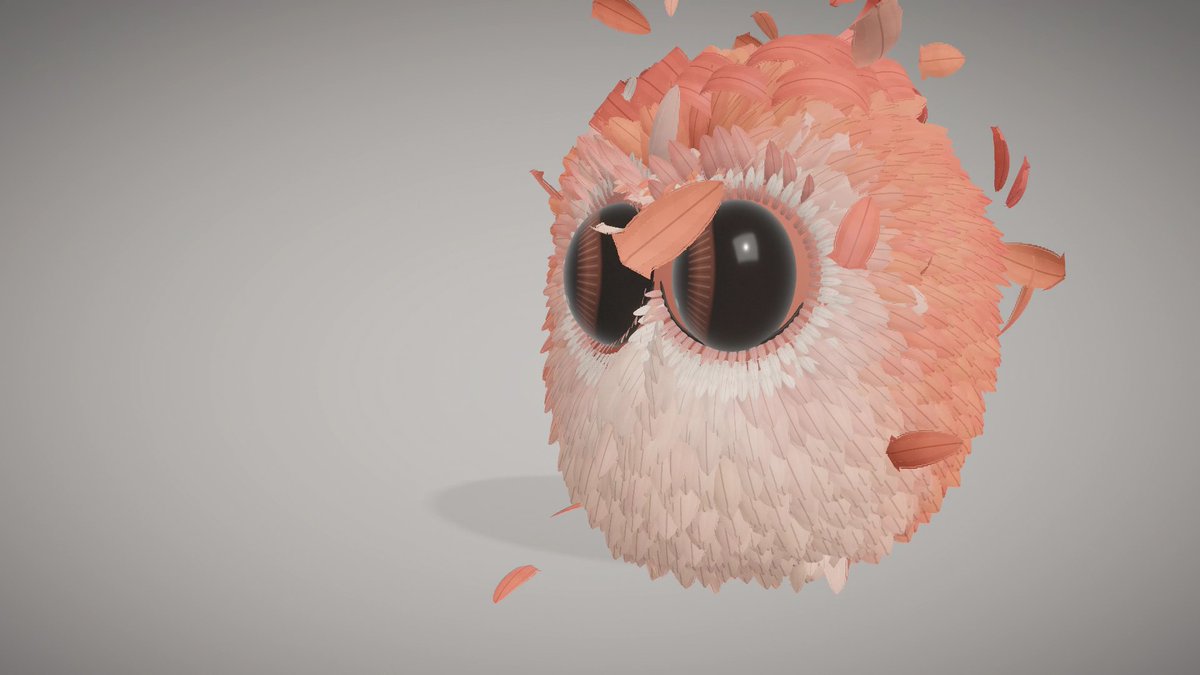
Vipin Pathak released Codevember Day 12 Feather
Vipin Pathak released Codevember Day 12 Feather, simulating delicate procedural barbs and soft specular reflections with Three.js shaders.
 27 Likes
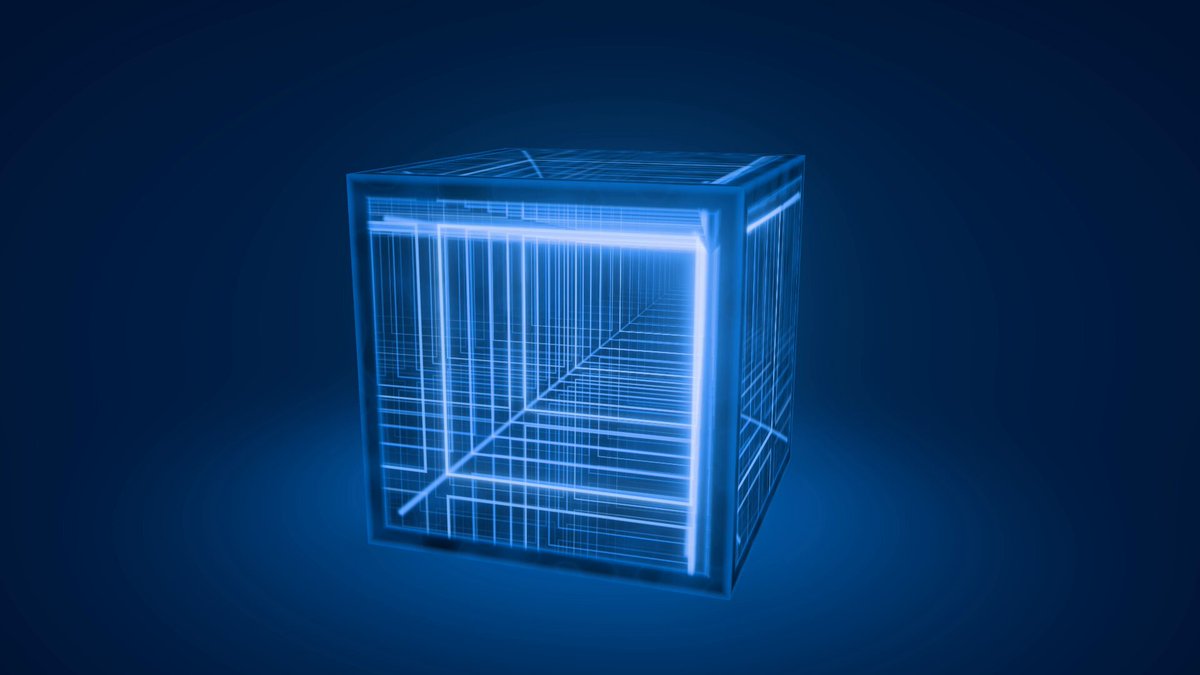
Vipin Pathak visualizes a 4D tesseract in Three.js for Codevember
Vipin Pathak visualizes hypnotic 4D tesseract geometric morphing in Three.js with glowing vertices for Codevember Day 8.
More Three.js Shaders
Projects curated around the same time in this topic
 44 Likes
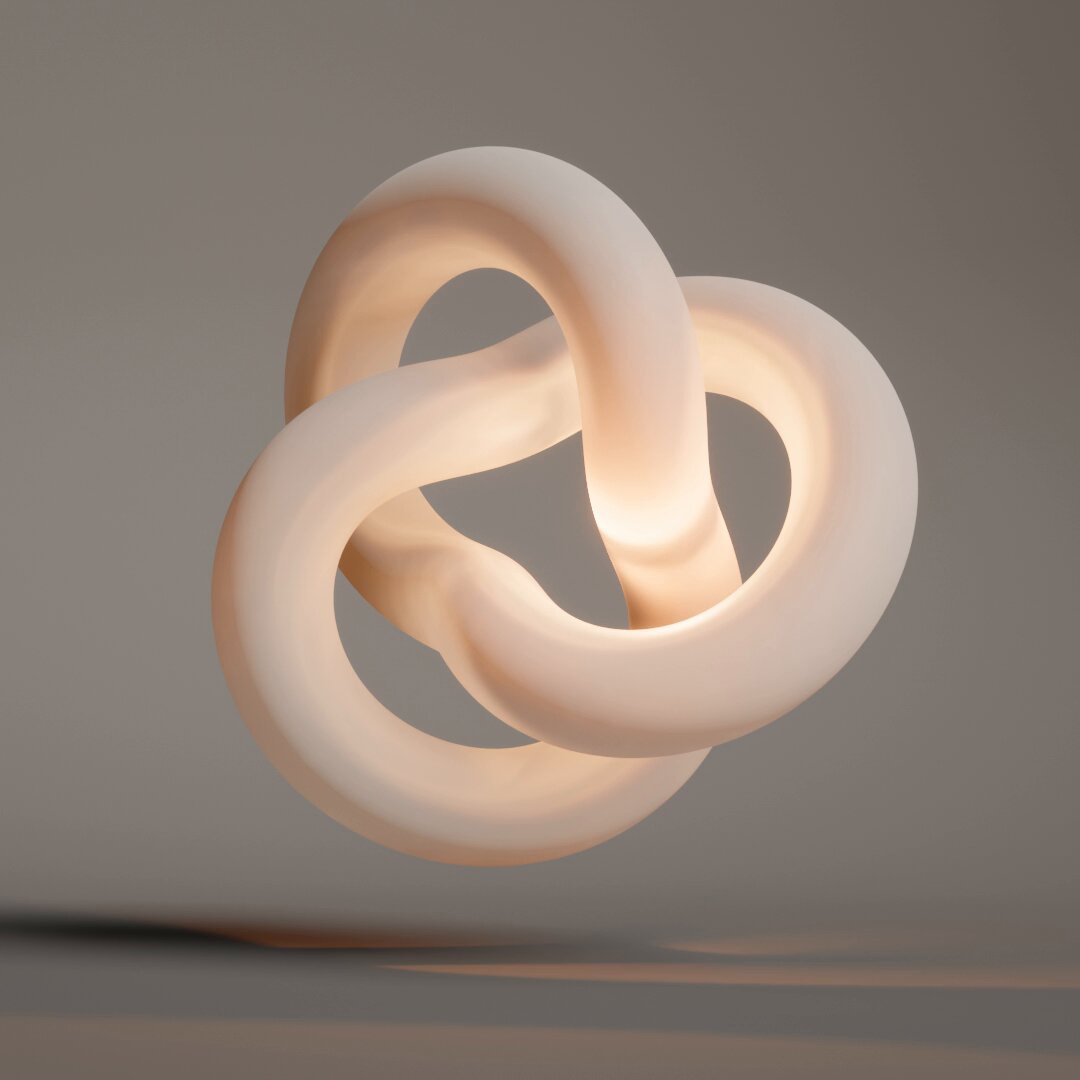
Creative Coding Experiment in Three.js Utilizing Algorithmic Shaders
Veteran 3D artist presents "Void", a creative coding experiment in Three.js utilizing algorithmic shaders to render an enigmatic hollow geometric dance of light, shadow, and volumetric pulse.
 11 Likes
Vertical Japanese Typography Signage Embedded in WebGL 3D Space
Vertical Japanese typography signage seamlessly embedded into WebGL 3D space, layered with retro VHS glitch, scanline distortion, and pixelation fragment shaders.
 16 Likes
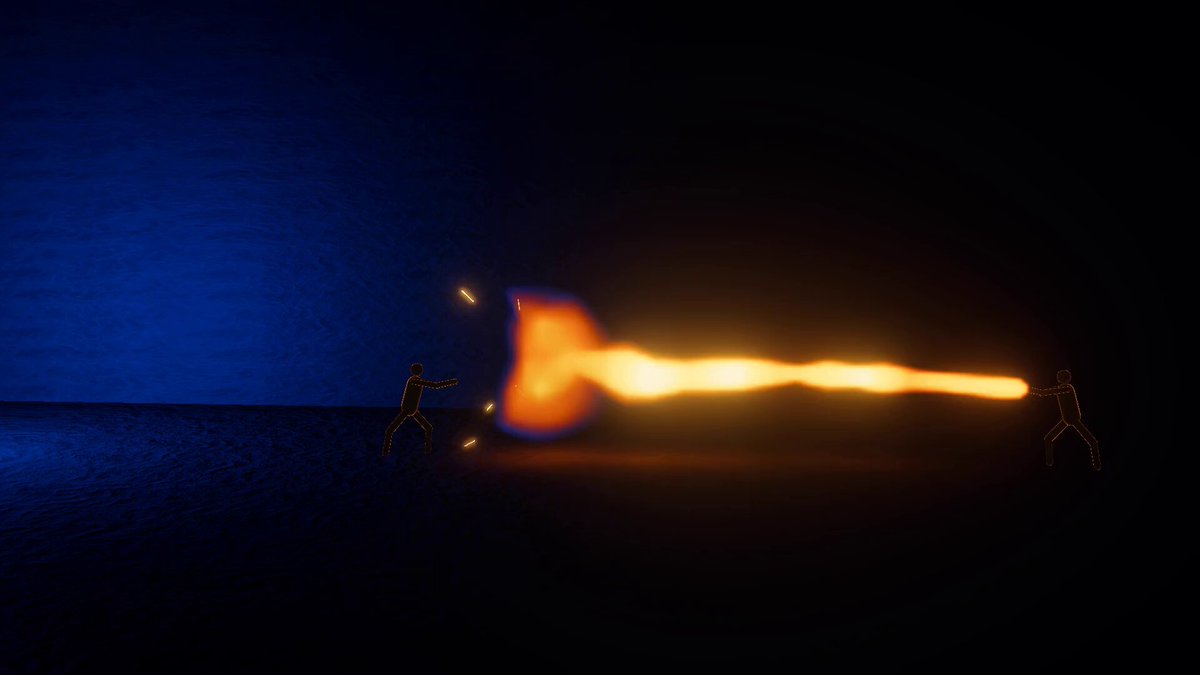
Fastmax remakes a Niagara force field effect in Three.js WebGPU
Fastmax recreated RedefineFX's Unreal Niagara force field effect in Three.js, running live in the browser on WebGPU. A 3D gas solver runs in compute shaders, with raymarched smoke and fire that cools into soot, and the source code is open.
 9 Likes
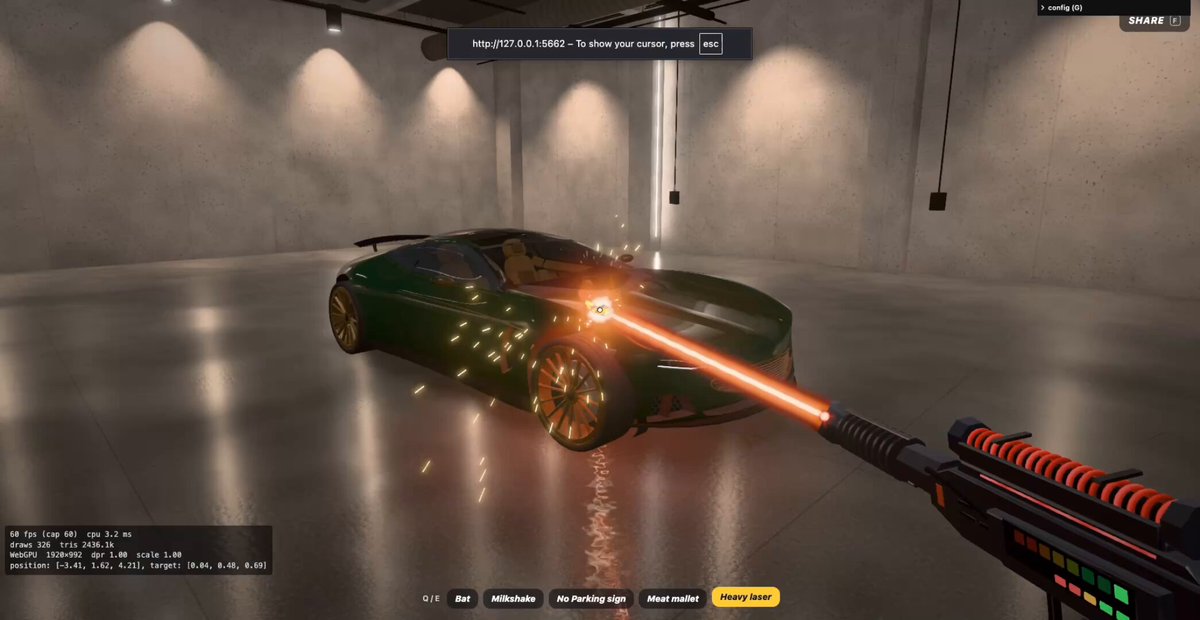
Andrei Provkin's Rage Garage: six ways to wreck a supercar
Rage Garage gives you one supercar and six ways to wreck it: dent it, shatter it, freeze it solid or cut it in half with a laser. Andrei Provkin built it with Claude Opus 5.5 in 51 agent-hours; everything is procedural Three.js TSL code with zero assets.
 52 Likes
A curated web design style dashboard aggregates cutting-edge
Structured web design trend dashboard built using automated scraping and AI synthesis, curating hundreds of cutting-edge WebGL, shader, and spatial interaction references for frontend developers.
 15 Likes
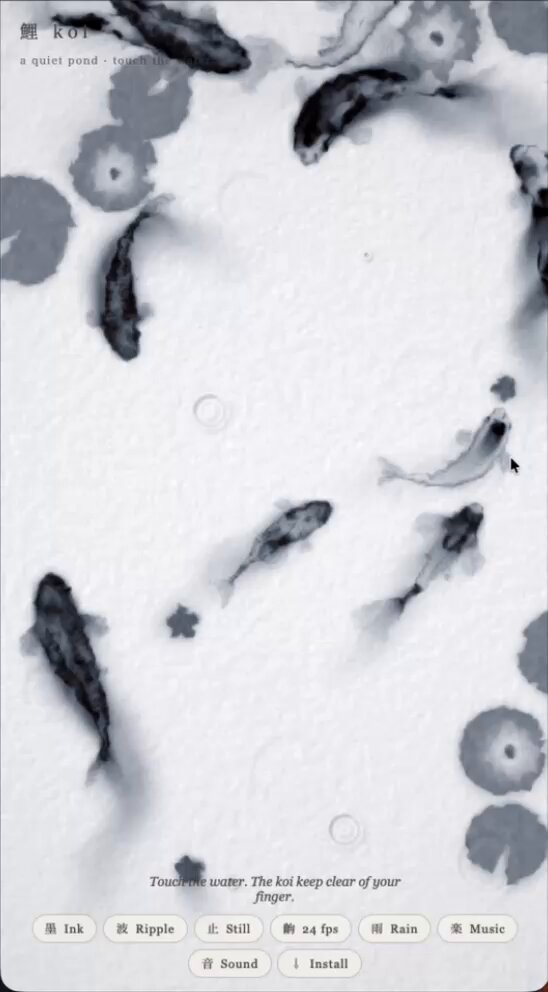
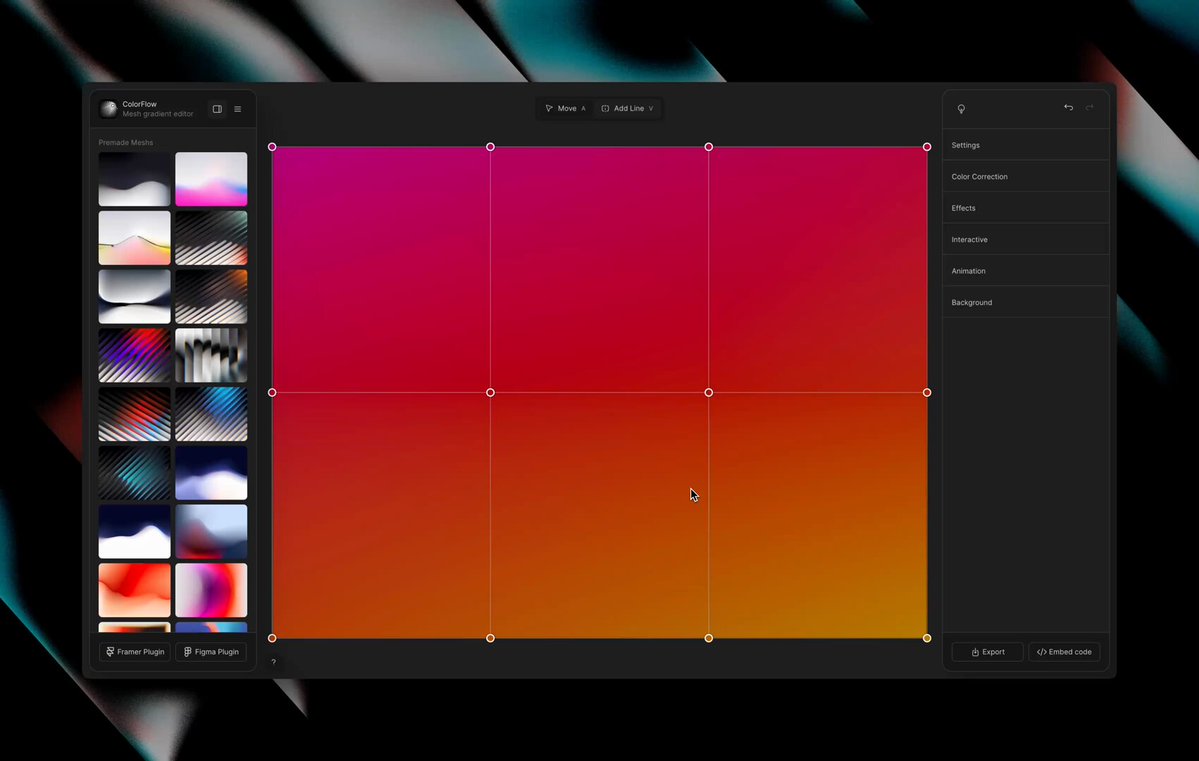
Codevember Zen Koi Pond
Artistic 3D koi pond simulation driven by Boids flocking algorithms with real-time post-processing filters for ink-wash, watercolor, and photorealism.
 11 Likes
Hey Detya curates a gallery of 3D hero sections and GLSL shaders
Curated gallery of cutting-edge 3D web experiences and GLSL shaders, capturing inventive navigation mechanics, hero animations, and shader techniques for contemporary creative web developers.
 12 Likes
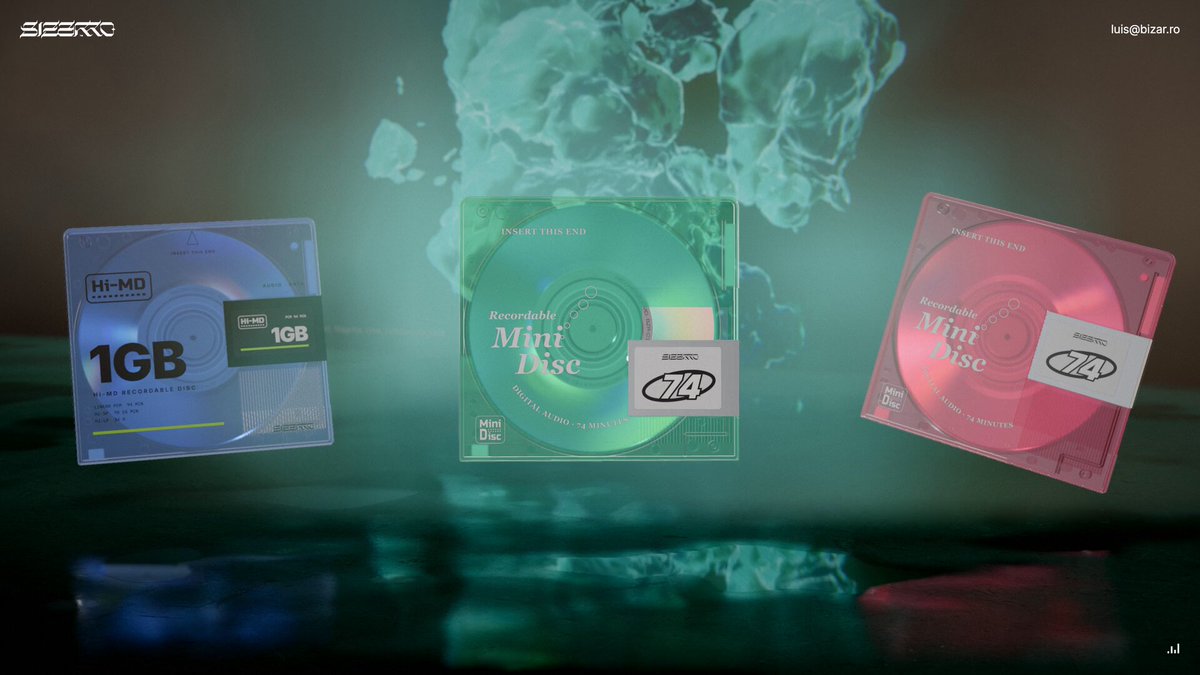
Graphics developer thespite shares a Codevember shatter experiment
Codevember shattered glass physics experiment by graphics veteran thespite, utilizing Three.js and custom GLSL refraction passes to depict explosive, photorealistic glass fracture dynamics.
Related Three.js Examples
More projects that share this one's topics
 117 Likes
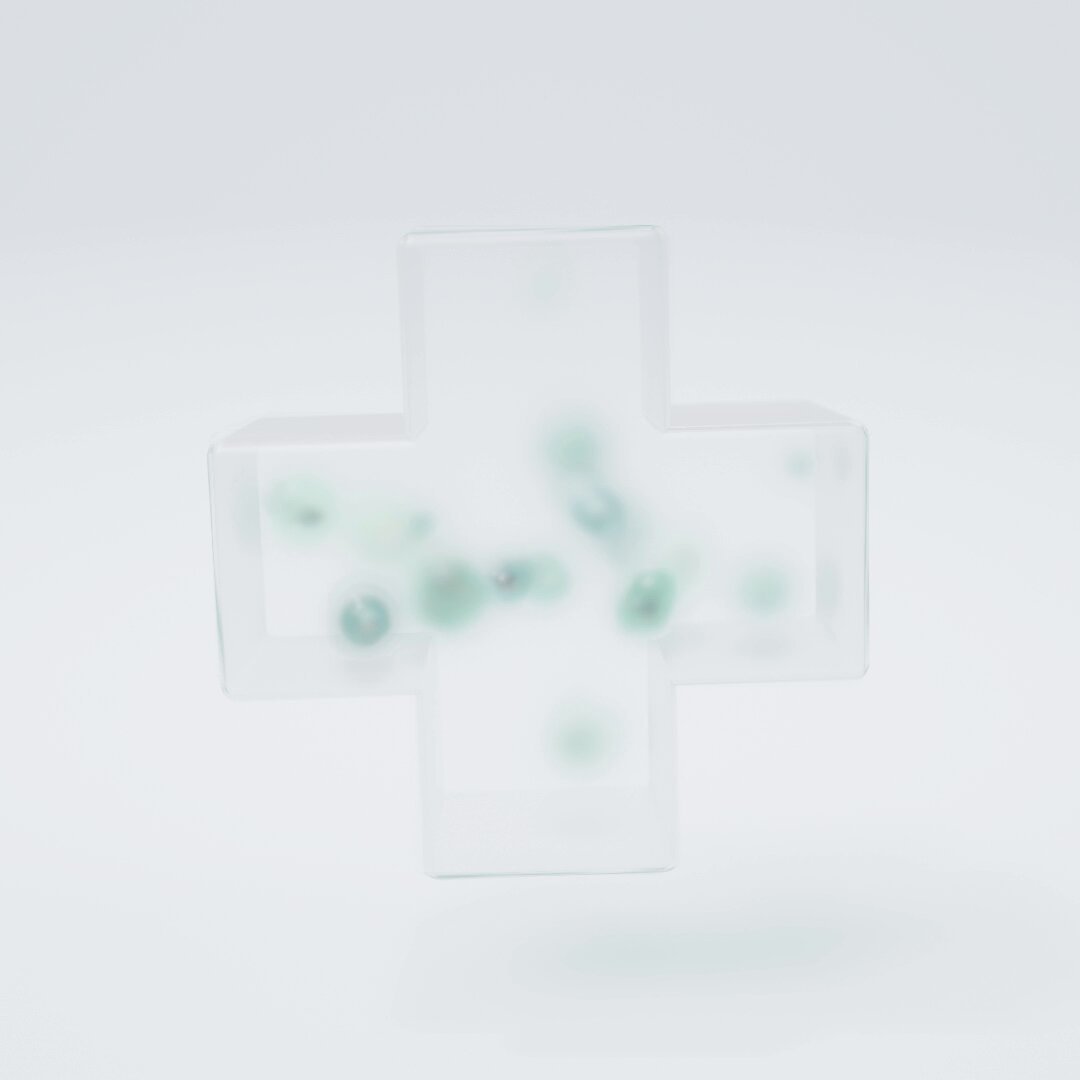
Luis Bizarro's MiniDiscs WebGL experiment with holographic shine
Nostalgic interactive CD-ROM simulation powered by native WebGL and GLSL shaders, faithfully reproducing holographic thin-film optical interference and iridescent rainbow diffraction under ambient lighting.
 101 Likes
Jaume Sanchez Elias shared Membrane for Codevember 2026
Jaume Sanchez Elias shared Membrane for Codevember 2026, animating procedural organic surfaces with custom vertex shaders in Three.js.
 15 Likes
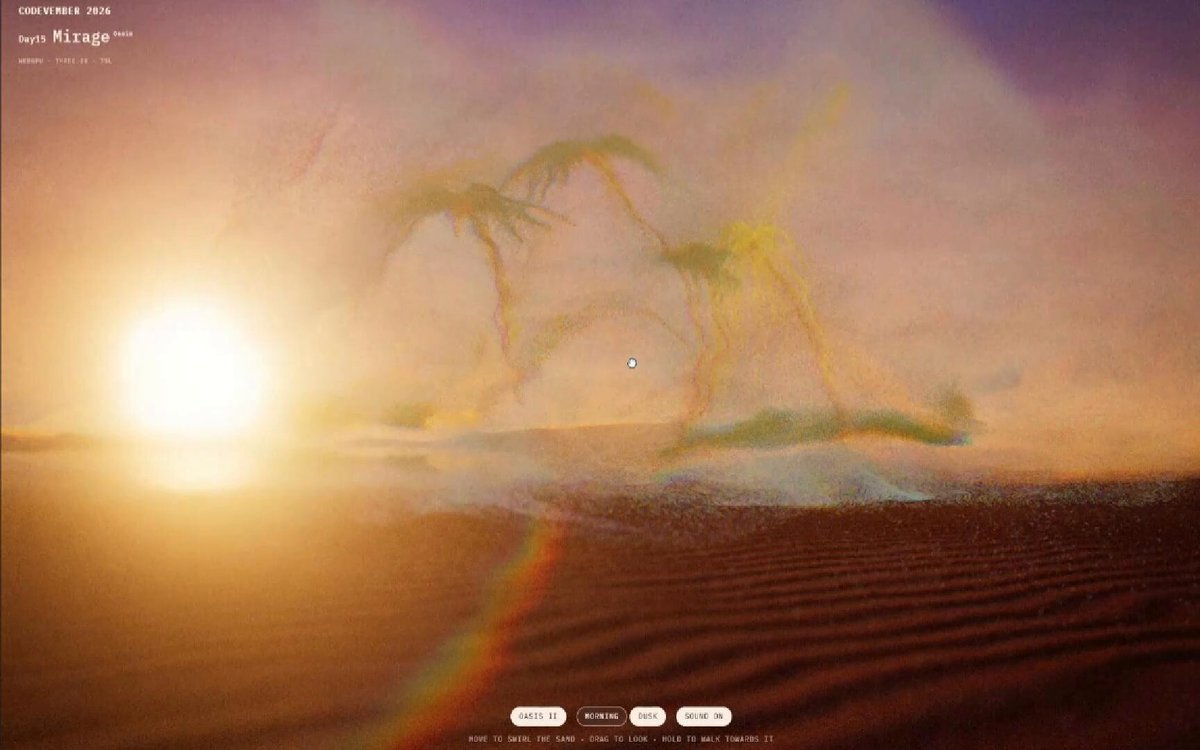
Frank Reitberger built Mirage for Codevember Day 15
Frank Reitberger built Mirage for Codevember Day 15 using Three.js TSL and WebGPU, featuring vibrant procedural light refraction and iridescent shader art.
 6 Likes
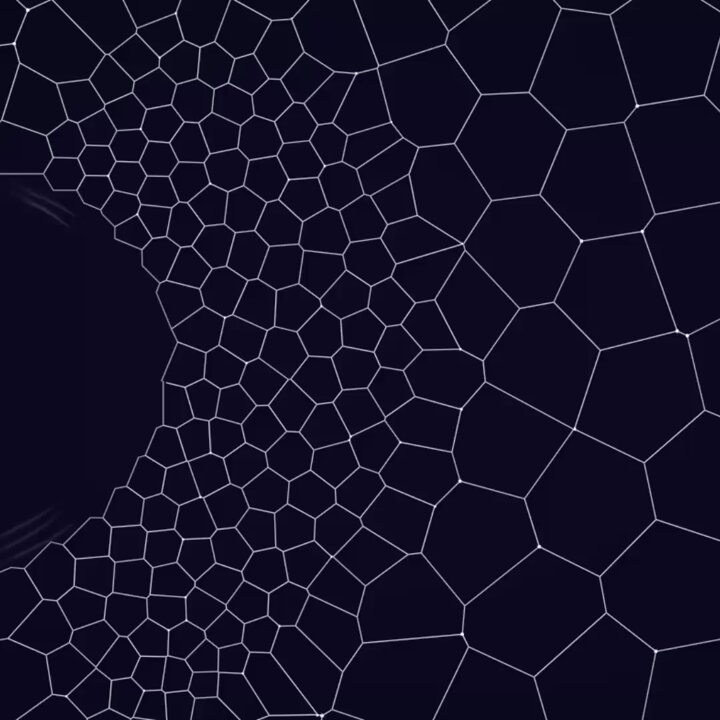
Creative WGSL Piece Built on Webgpu
Generative artist sib shares 'Flowing Cells', a creative WGSL piece built on WebGPU. Utilizing differential wave equations, the compact shader simulates organic cellular membrane deformation, diffusion, mitosis, and luminous surface oscillation within an ambient fluid medium. 💡 **Highlight:** Elegant differential calculus running in WGSL compute transforms abstract math into a pulsating, living microscopic realm.