
Frank Reitberger renders Codevember Erosion shaders in Three.js
By @_pwd_ • Curated • 13 likes on X
 Open Live Demo ↗
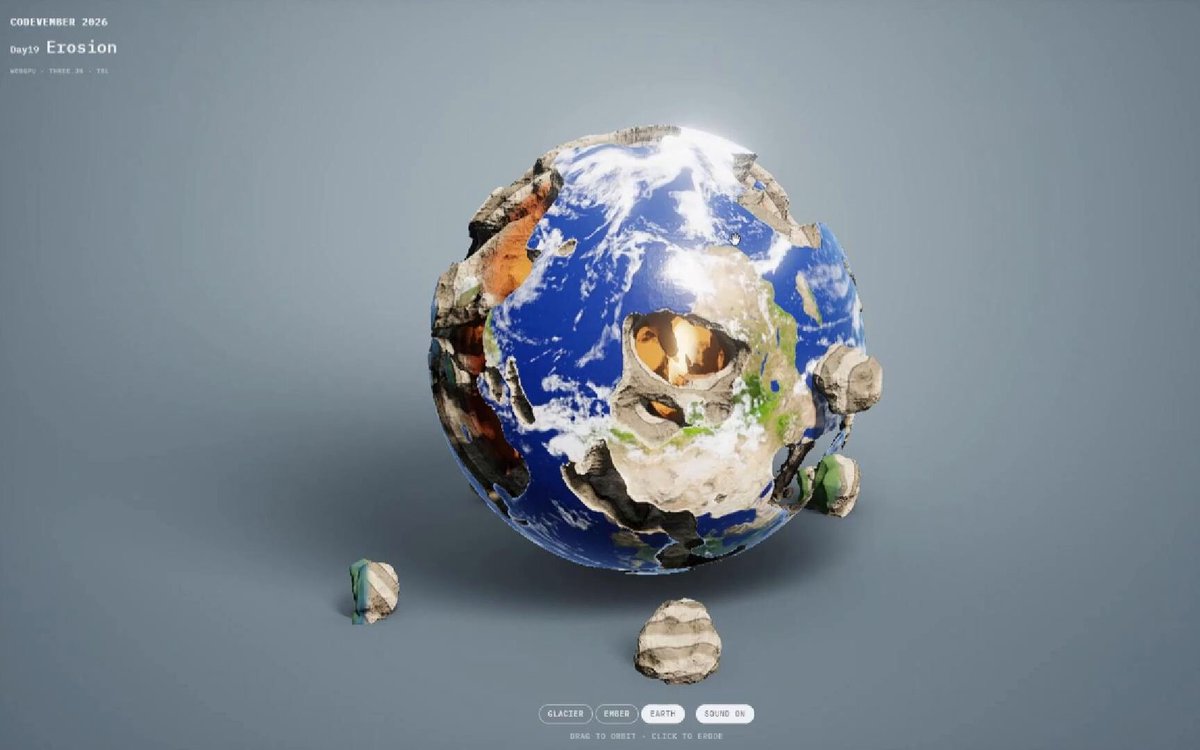
Frank Reitberger published Erosion for Codevember Day 19 using Three.js and custom shaders. The procedural rendering simulates weathering geological rock strata with dynamic particle decay and atmospheric audio.
More from @_pwd_
Other projects by Frank Reitberger
 15 Likes
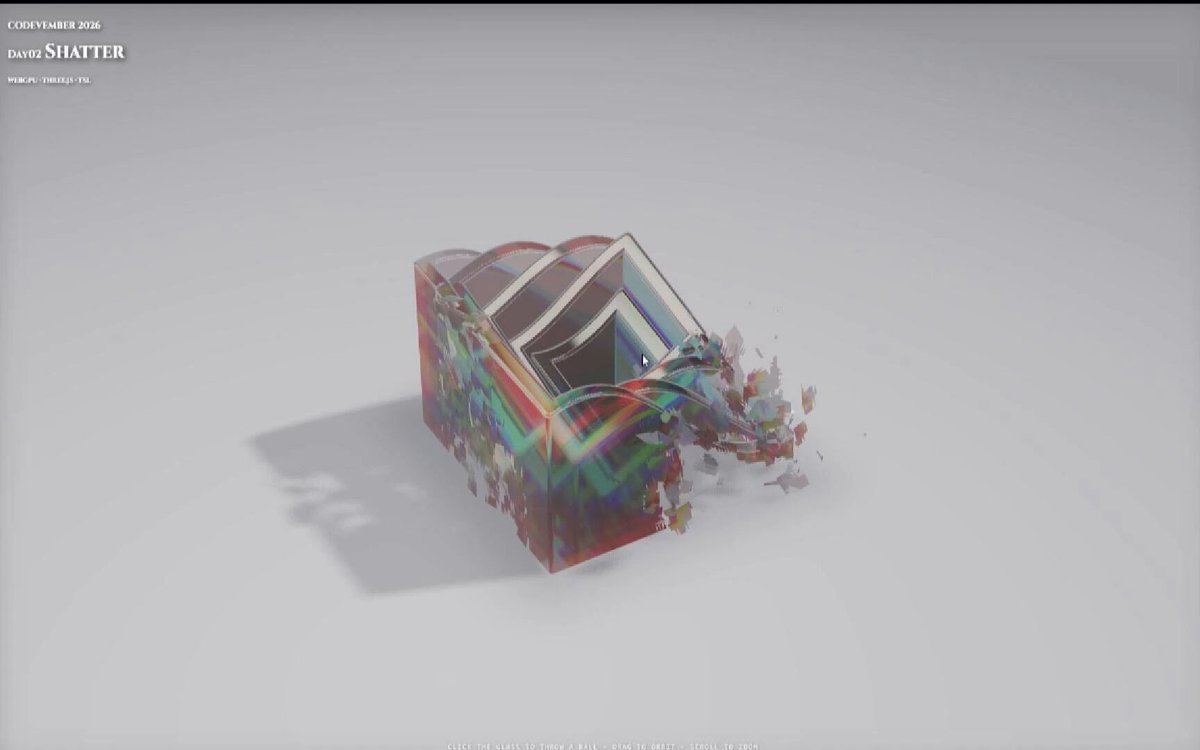
Frank Reitberger's WebGPU fracture and shockwave demo with audio
Audiovisual polygonal fracture and energy shockwave demo powered by WebGPU and WGSL, pushing raw GPU compute performance with dynamic shatter physics and synchronized audio-reactive particles.
 20 Likes
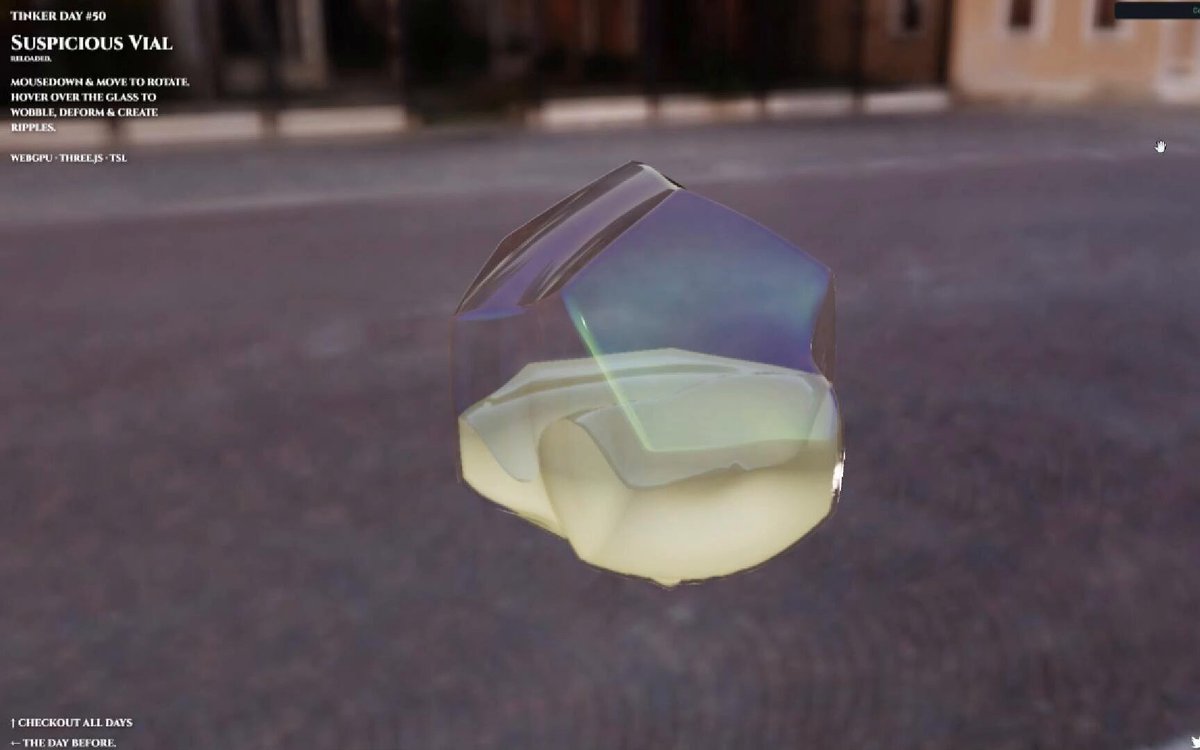
Classic Pure-glsl Potion Bottle Shader Modernized into WebGPU
A classic pure-GLSL potion bottle shader modernized into WebGPU using Three Shading Language (TSL). The port improves upon the original with thick glass surface refraction, spring-damped wobble elasticity, and buoyant liquid sloshing dynamics. 💡 **Highlight:** A textbook demonstration of migrating legacy GLSL into modular node-based TSL shaders, delivering rich dielectric refraction and fluid momentum.
 229 Likes
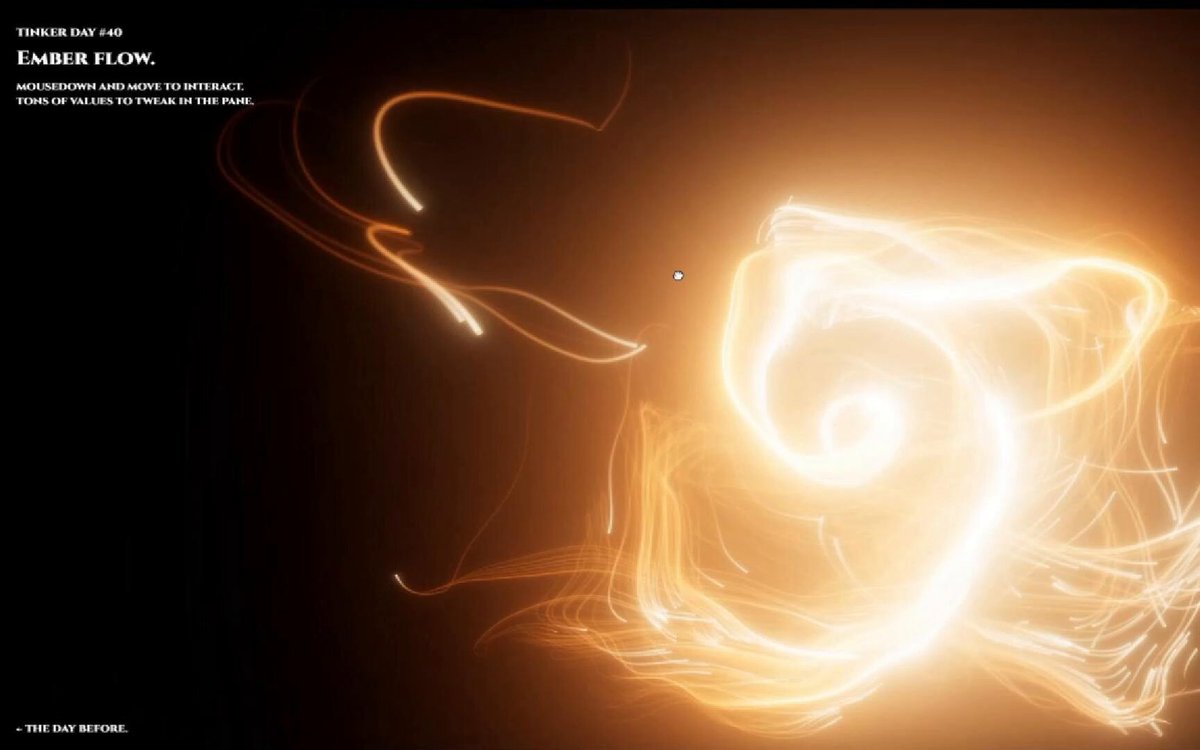
Ember Flow: Curl Noise in WebGPU and TSL
Ember flow. #threejs A little bit of evening exploring Curl-noise in WebGPU & TSL. Live: https://dasprinzip.com/tinker/day40/ Get the code here: https://github.com/prinzipiell/tsl #indiedev #gamedev #creativecoding #shaders #wgsl #webgpu #glsl #webgl #3d #tsl
More Three.js Shaders
Projects curated around the same time in this topic
 1,569 Likes
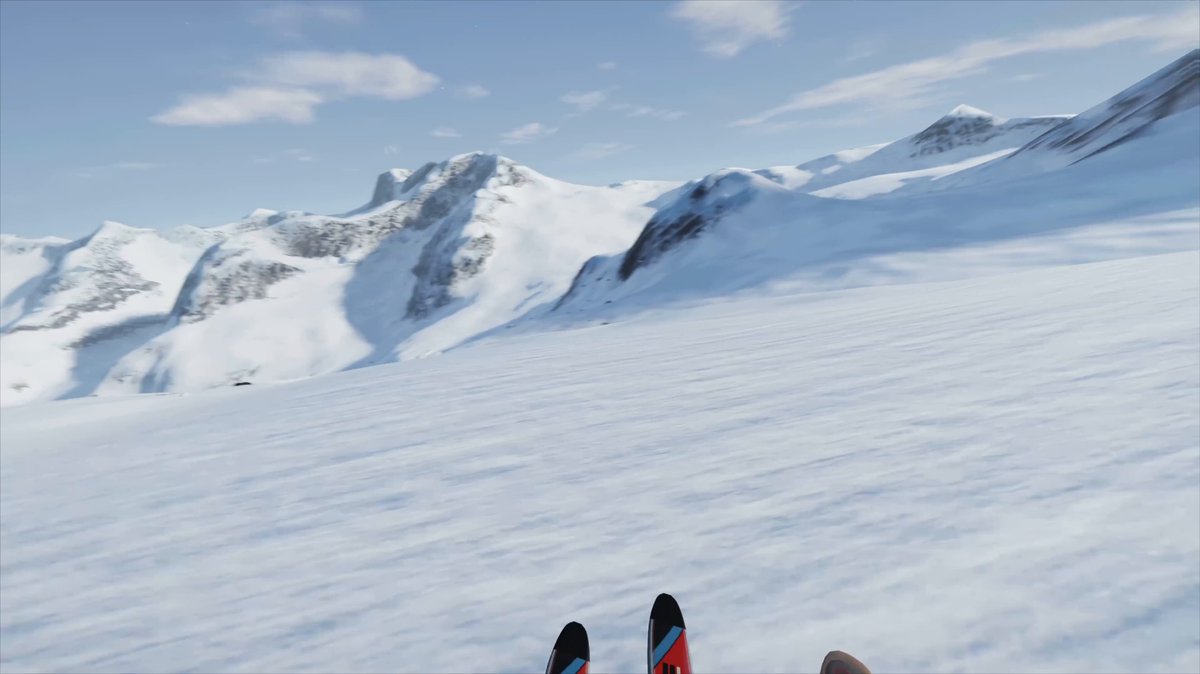
Google DeepMind simulates Mont Blanc skiing terrain with Gemini 4 Neon
Google DeepMind built a real time Mont Blanc ski simulator coded by Gemini 4 Neon in Antigravity. The browser demo computes procedural snow carving physics and avalanche volumetric shaders without pre-made 3D models.
 394 Likes
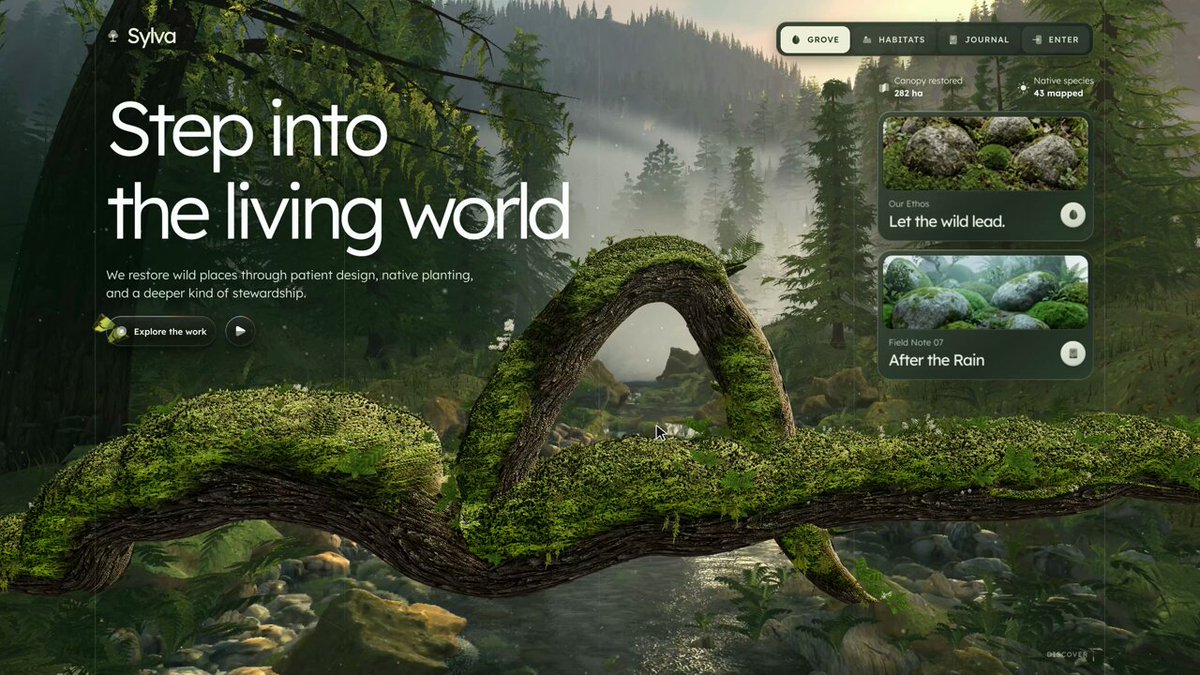
Meng To crafts Sylva Woodland interactive 3D landing page in Three.js
Meng To designed the Sylva Woodland interactive 3D landing page utilizing Three.js and Astra 6.2. The production demo features procedural volumetric fog shaders and dynamic layout transitions across responsive viewports.
 95 Likes
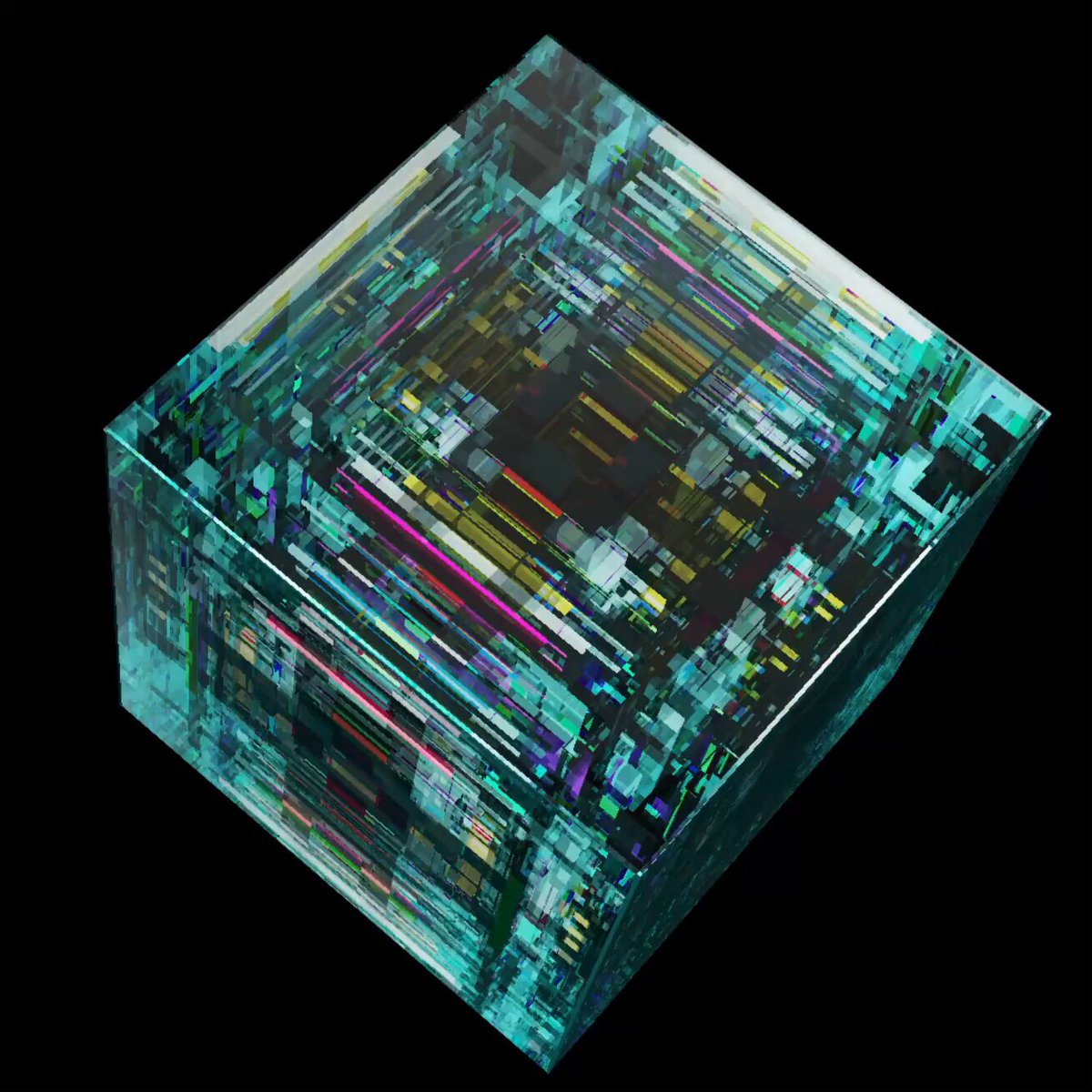
Sabo Sugi renders generative Distilled Cube shaders in Three.js
Sabo Sugi published Distilled Cube as an open source shader artwork created with Three.js on CodePen. The generative cube renders internal chromatic dispersion and fluid optical refractions.
 36 Likes
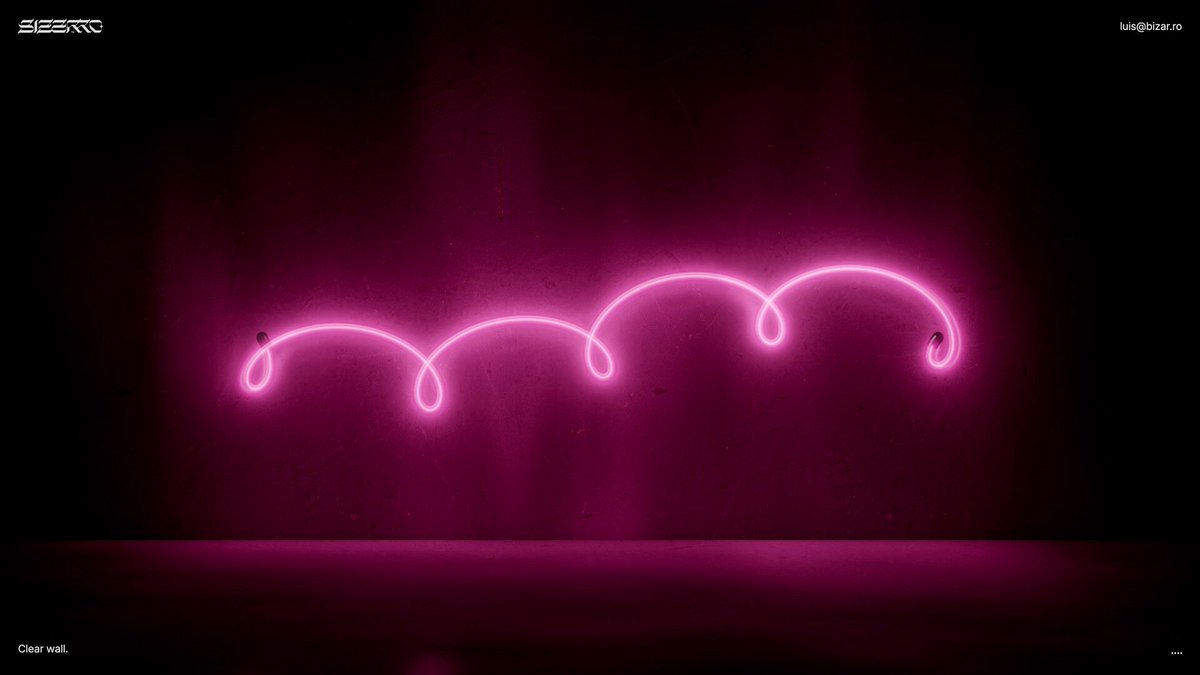
Luis Bizarro builds the Neon Sense interactive light canvas in WebGPU
Luis Bizarro published Neon Sense, an interactive WebGPU and WGSL visual experiment. Visitors draw glowing neon lights across a digital canvas with real time physical bloom dispersion and tube reflections.
 87 Likes
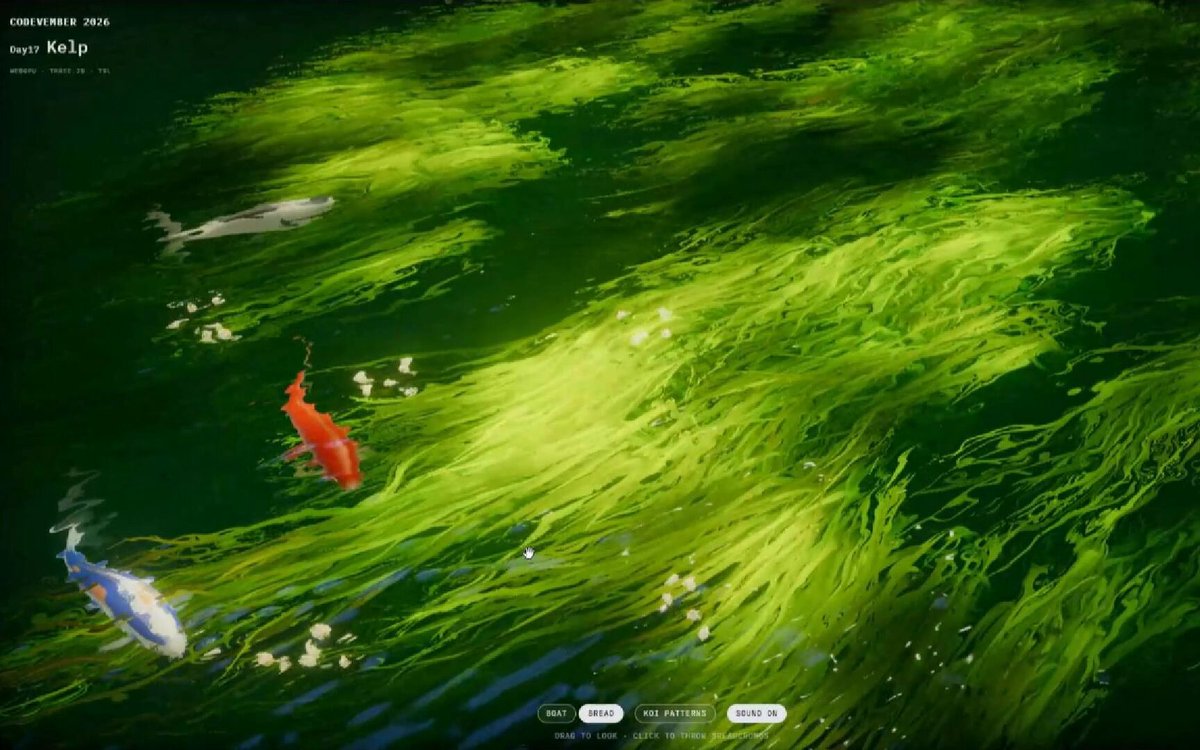
Frank Reitberger simulates an underwater kelp forest in WebGPU
Kelp is Frank Reitberger's Codevember 2026 day 17 piece: koi swim through a swaying underwater kelp forest, with on-screen controls to drag, add patterns and turn the sound on. It is built with Three.js, WebGPU and TSL shaders and runs live in the browser.
 245 Likes
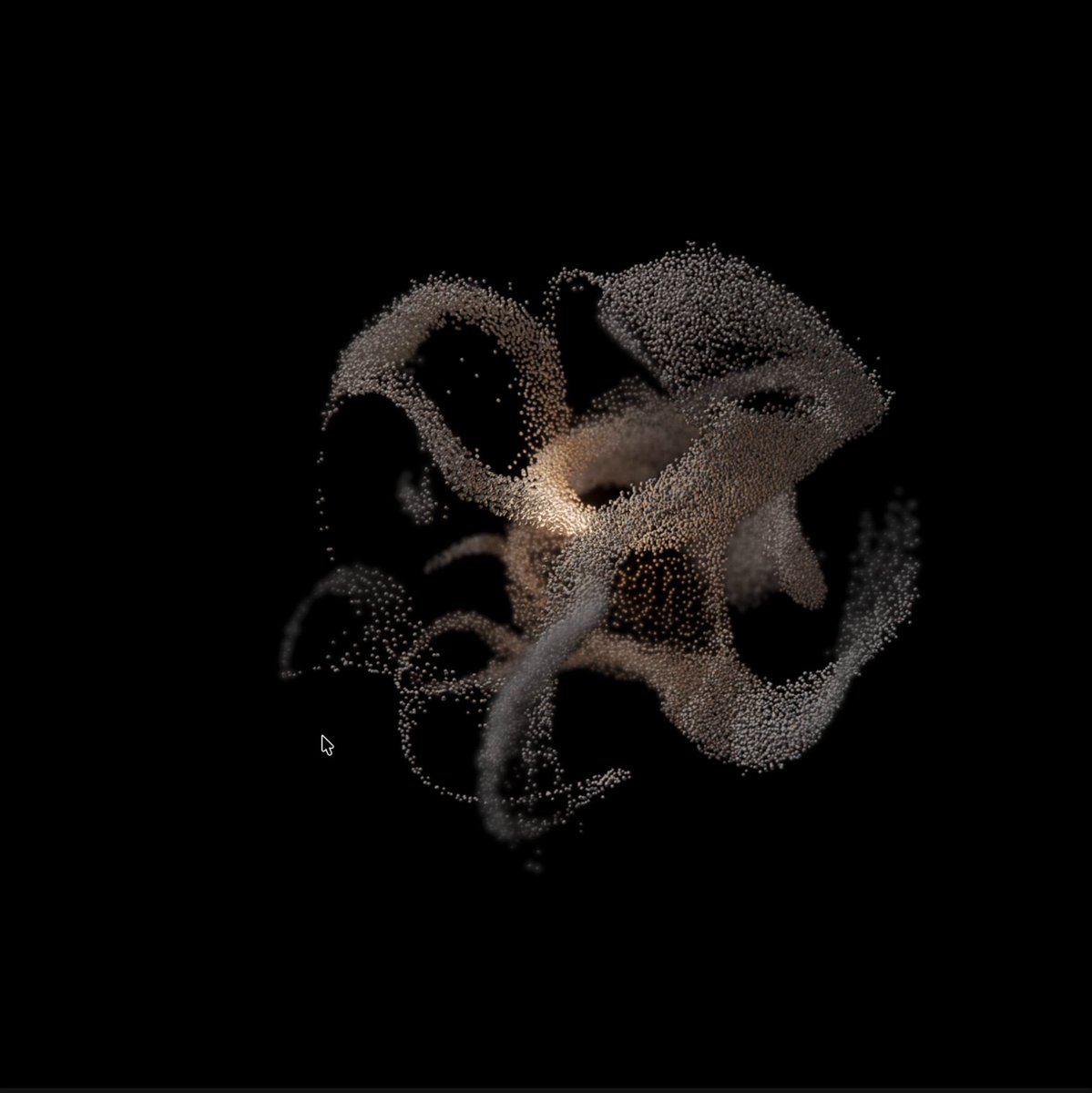
Thomas Cullen created an interactive particle face experiment
Thomas Cullen created an interactive particle face experiment in React Three Fiber powered by WebGPU compute shaders with responsive depth mapping.
 24 Likes
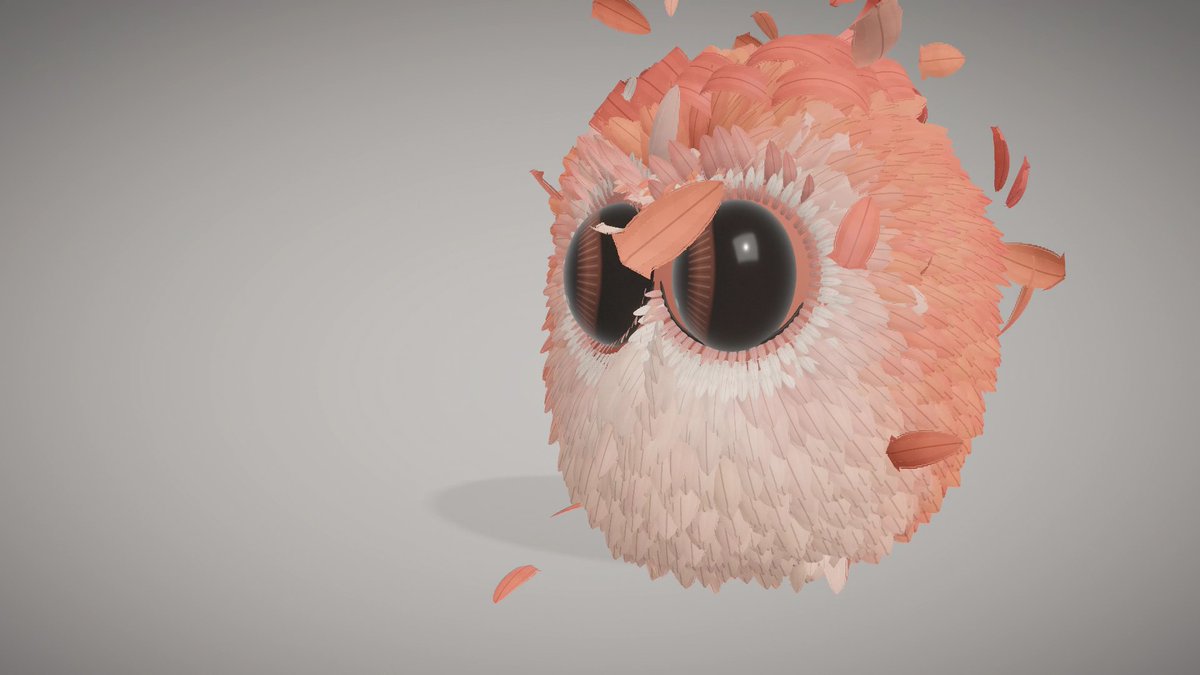
Vipin Pathak released Codevember Day 12 Feather
Vipin Pathak released Codevember Day 12 Feather, simulating delicate procedural barbs and soft specular reflections with Three.js shaders.
 15 Likes
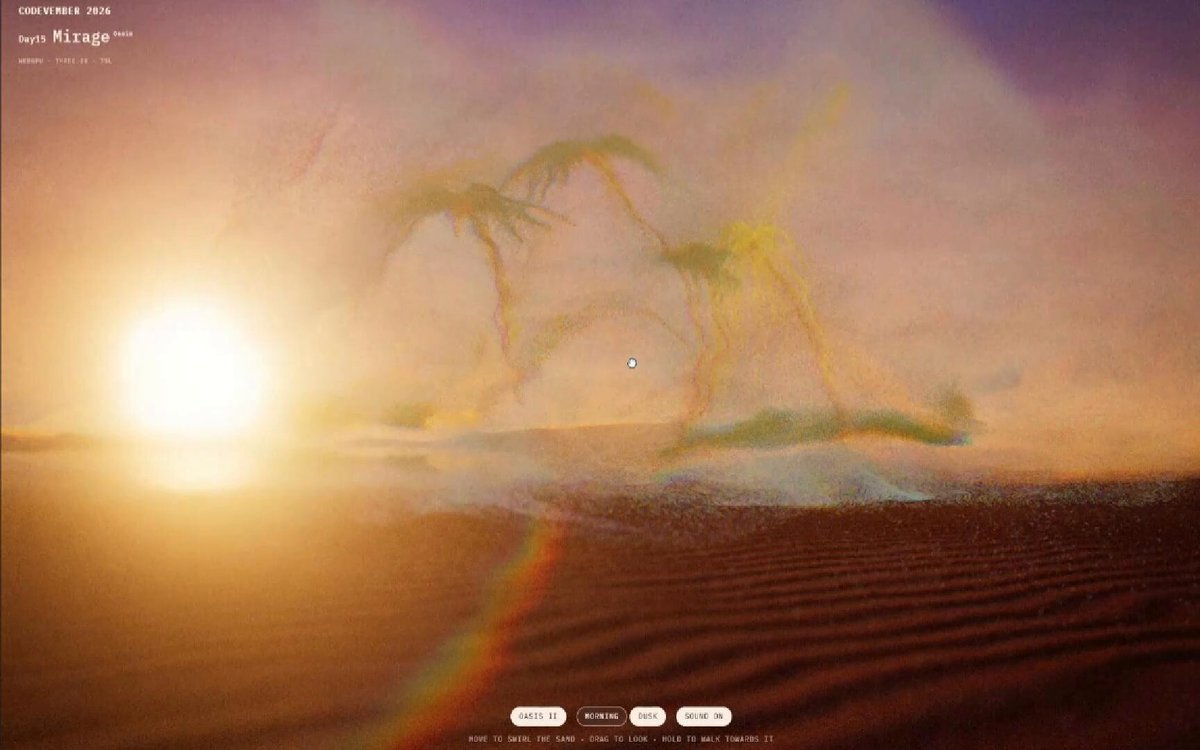
Frank Reitberger built Mirage for Codevember Day 15
Frank Reitberger built Mirage for Codevember Day 15 using Three.js TSL and WebGPU, featuring vibrant procedural light refraction and iridescent shader art.
Related Three.js Examples
More projects that share this one's topics
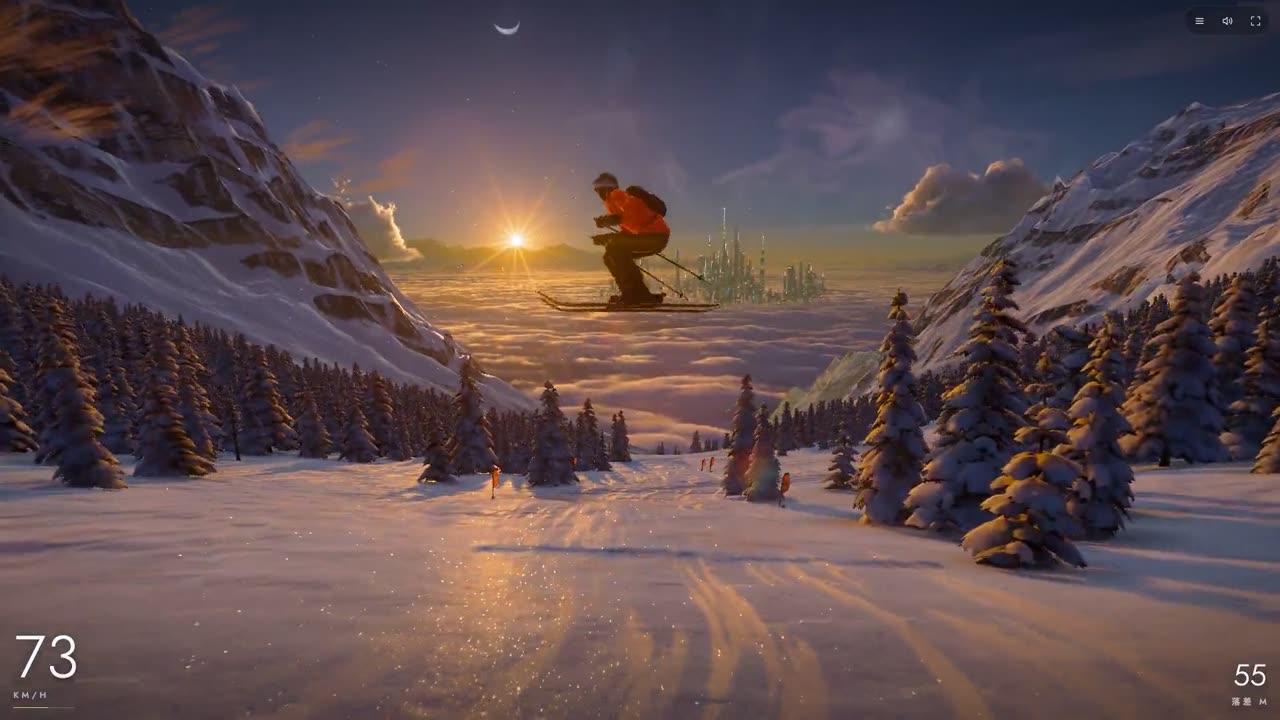
Huisky's Cold Smoke, an endless downhill ski game in one HTML file
Cold Smoke is Huisky's calm, endless downhill ski game in the browser: you carve, jump and tuck down a mountain that never repeats while the light changes from morning to night, with weather from clear skies to heavy snow. The whole game is one HTML file of about 1.6 MB, and the mountain, snow, trees, sky, aurora, skier, animals, music and wind are all generated by code, with no image, audio or model files. It renders with WebGPU and falls back to WebGL2, and was built with Claude Fable 5.2 over a few days of play-and-feedback rounds. The source is on GitHub under the MIT license.
 117 Likes
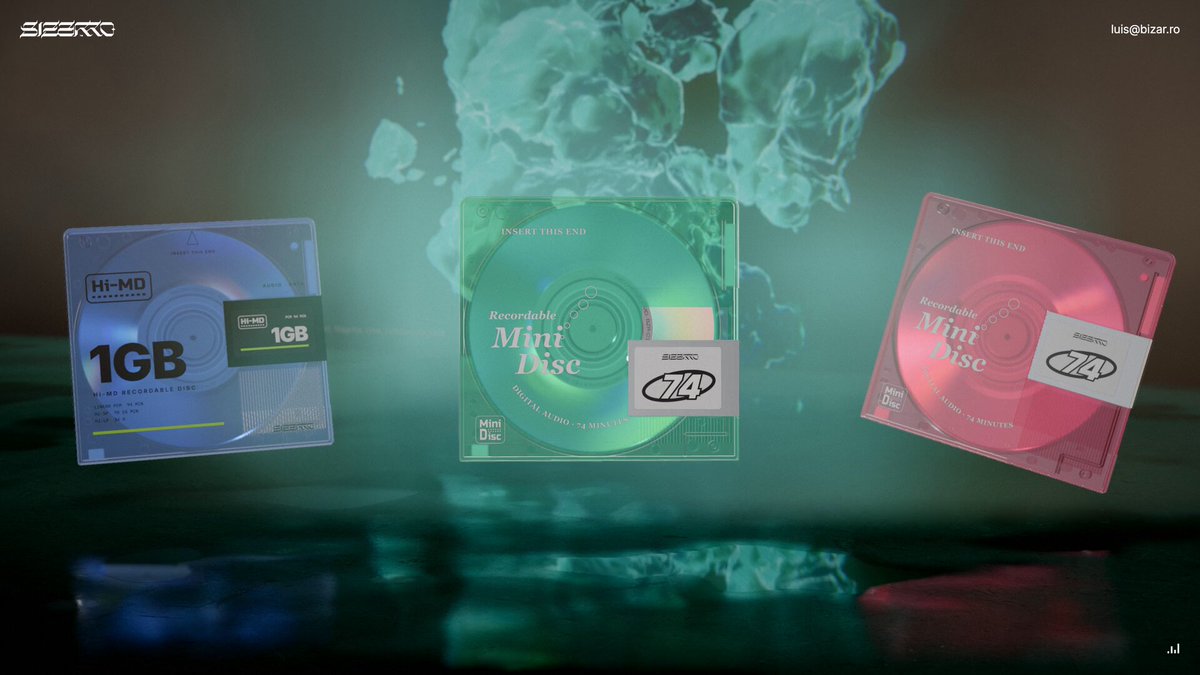
Luis Bizarro's MiniDiscs WebGL experiment with holographic shine
Nostalgic interactive CD-ROM simulation powered by native WebGL and GLSL shaders, faithfully reproducing holographic thin-film optical interference and iridescent rainbow diffraction under ambient lighting.
 22 Likes
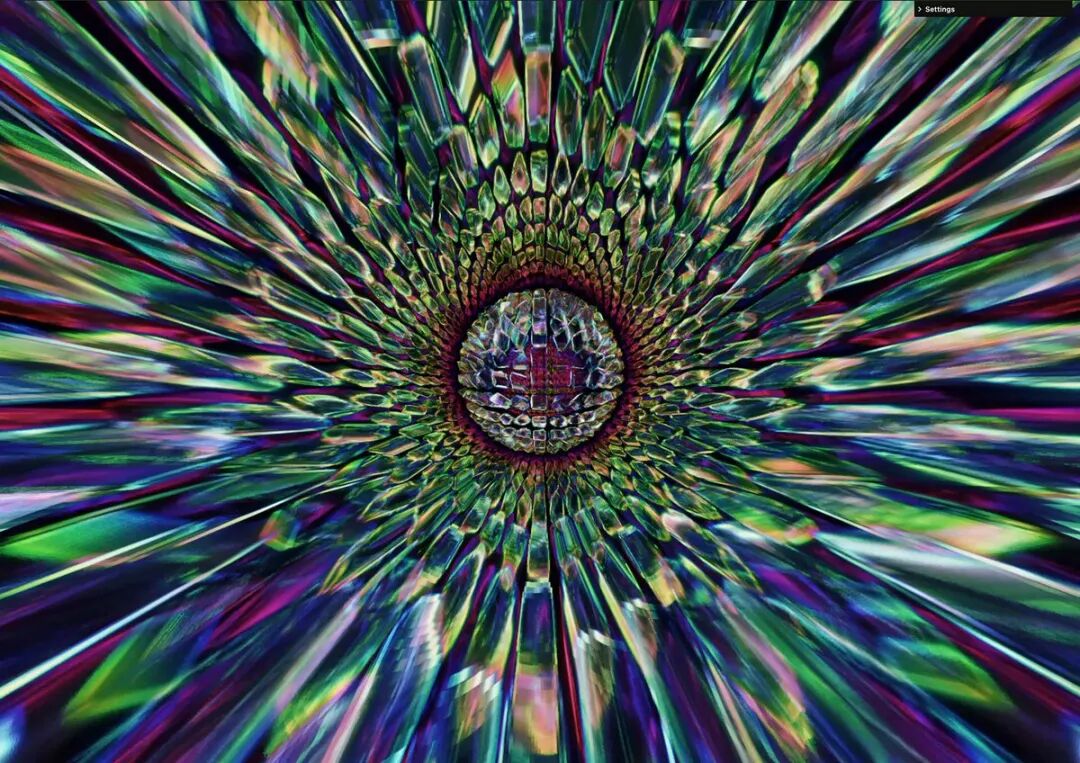
Japanese Shader Artist Sabosugi Publishes 'Inside Neon Crystals'
Japanese shader artist sabosugi publishes 'Inside Neon Crystals' on CodePen, an optical raymarching study written in GLSL. Computing internal total reflections and chromatic absorption across high-refractive crystal facets, luminous neon tubes cast ethereal glow against dark geometric prisms. 💡 **Highlight:** Open-source raymarching total internal reflections inside faceted crystals on CodePen offer an invaluable resource for learning optical shaders.
 885 Likes
Xian breaks down a creative Web 3D tech stack and workflow
A curated breakdown of essential modern Web 3D stacks and design workflows, detailing Next.js with React Three Fiber and GSAP for interactive 3D product cards and scene choreography, alongside Vite, Three.js, and GLSL fragment shaders for particle morphing and noise-driven dissolve effects.