
Luis Bizarro builds the Neon Sense interactive light canvas in WebGPU
By @LuisBizarro • Curated • 36 likes on X
 Open Live Demo ↗
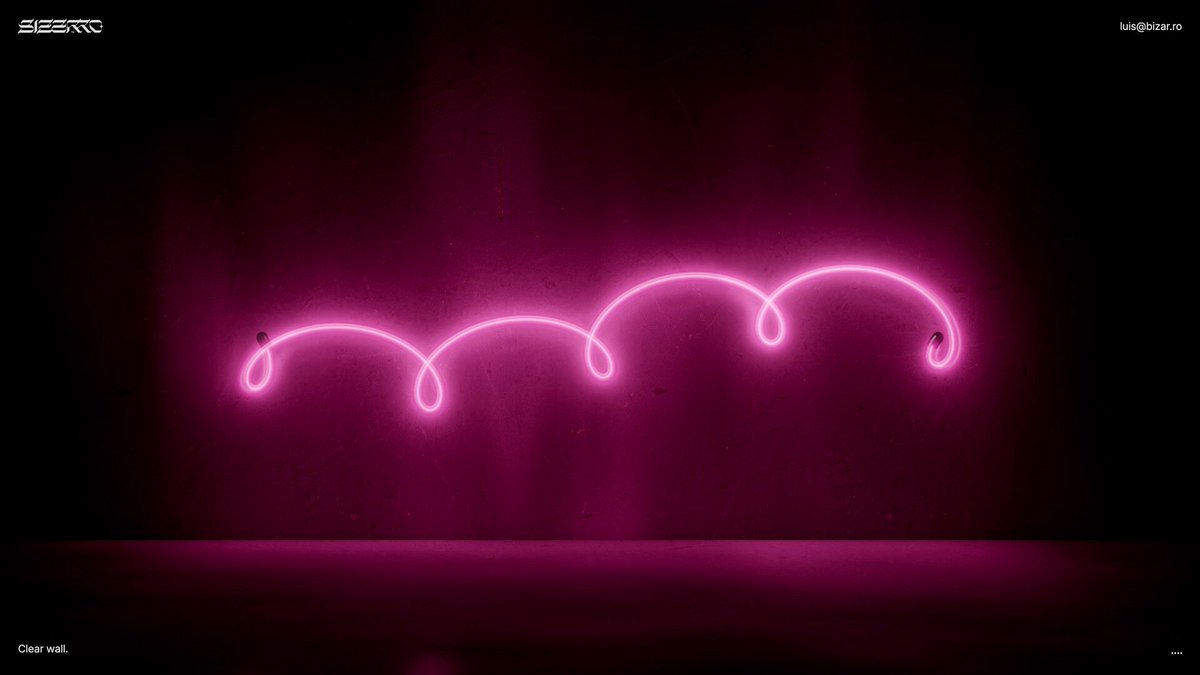
Luis Bizarro published Neon Sense, an interactive WebGPU and WGSL visual experiment. Visitors draw glowing neon lights across a digital canvas with real time physical bloom dispersion and tube reflections.
More from @LuisBizarro
Other projects by Luis Bizarro
 48 Likes
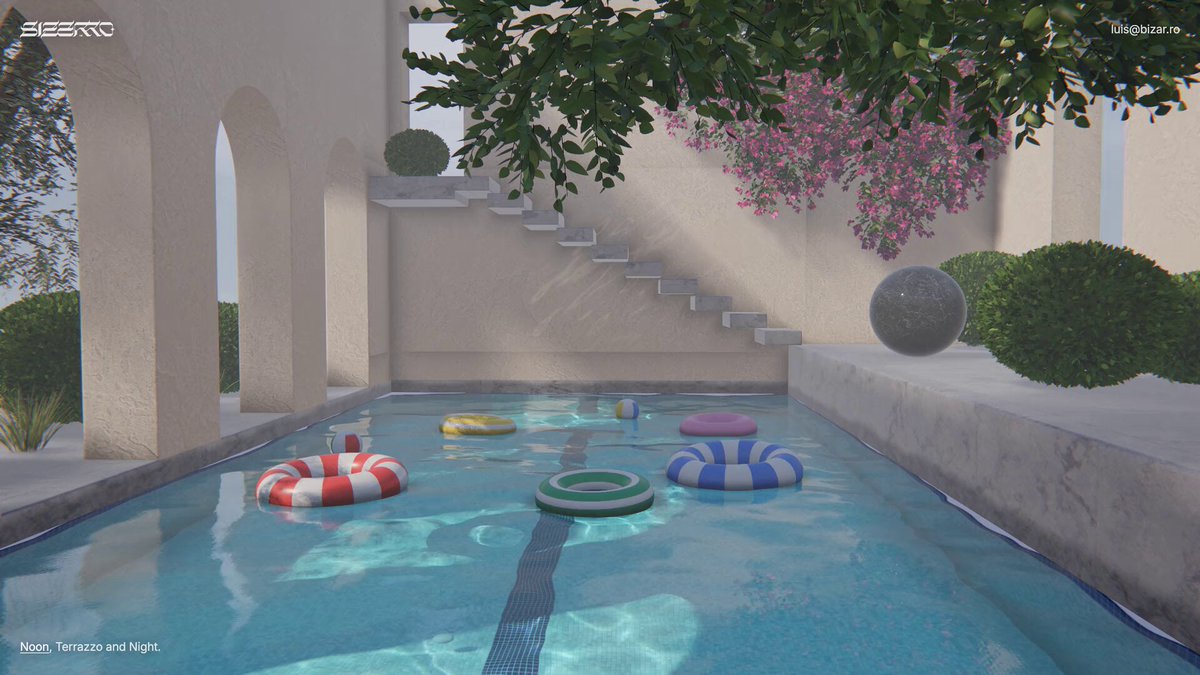
Luis Bizarro builds a digital pool party experiment in WebGPU
An immersive digital pool party powered by WebGPU and native WGSL shaders, featuring hyper-realistic underwater caustics, dynamic wave ripple displacement, and physical reflection-refraction optics.
 117 Likes
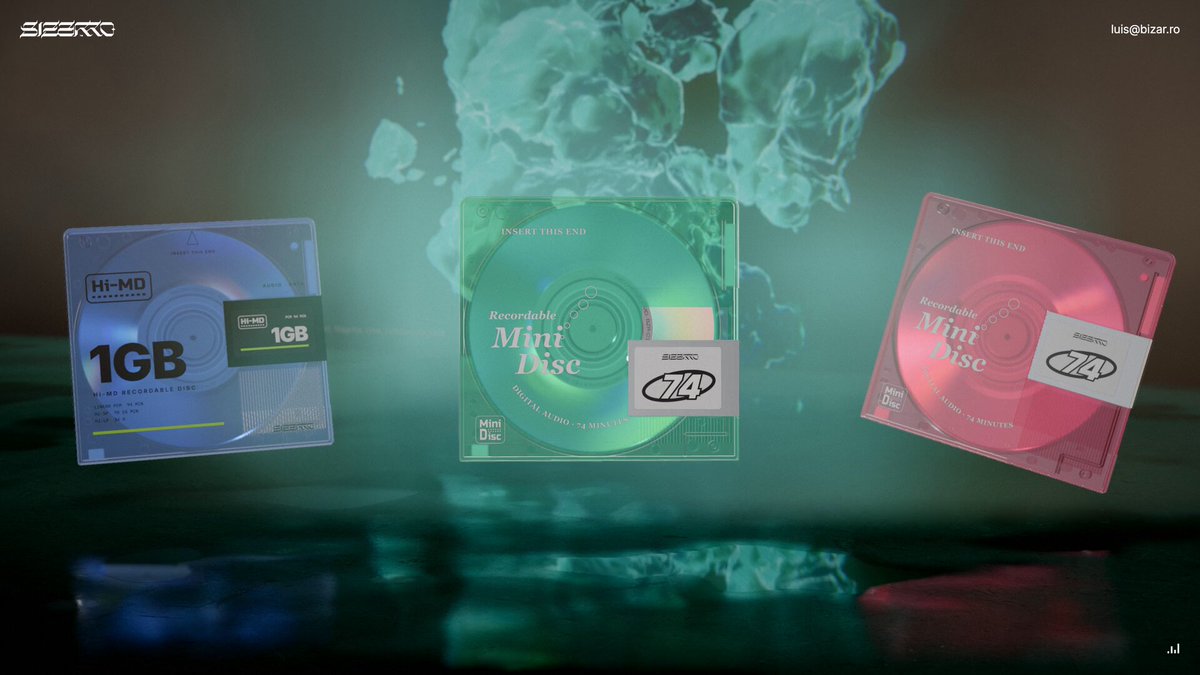
Luis Bizarro's MiniDiscs WebGL experiment with holographic shine
Nostalgic interactive CD-ROM simulation powered by native WebGL and GLSL shaders, faithfully reproducing holographic thin-film optical interference and iridescent rainbow diffraction under ambient lighting.
 47 Likes
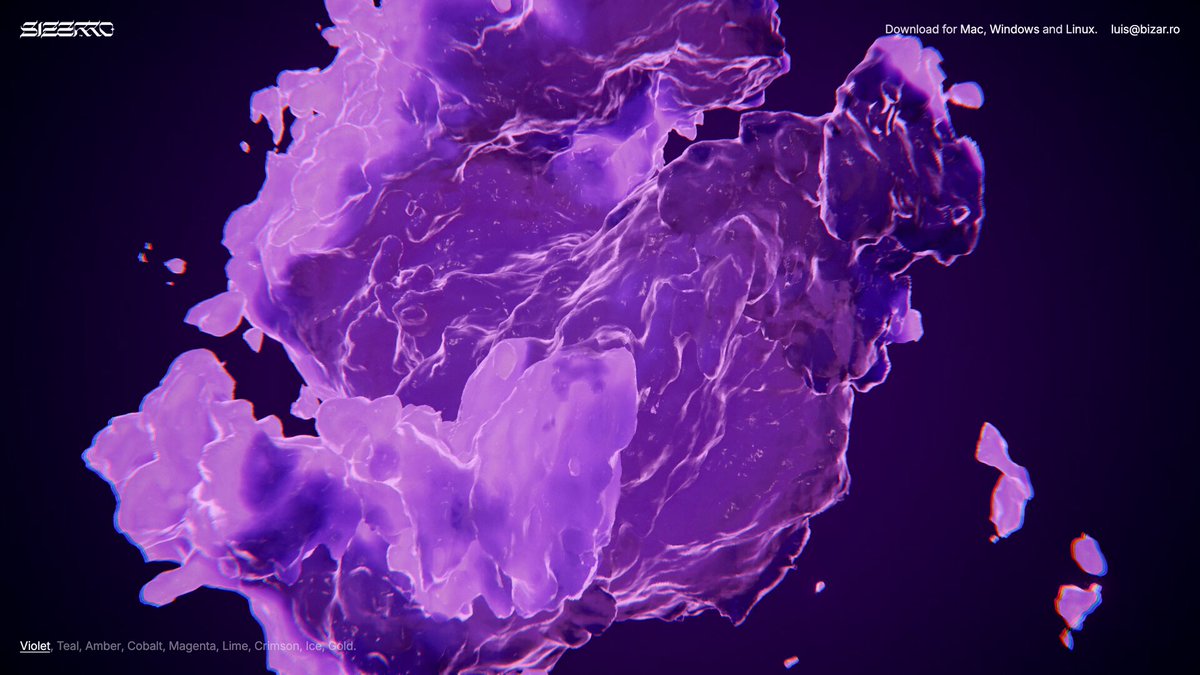
Luis Bizarro builds Gooey, a WebGPU gel with subsurface scattering
"Gooey", an interactive WebGPU and native WGSL shader experiment by Luis Bizarro, implementing realistic subsurface scattering (SSS) for a translucent, gelatinous fluid feel. Dragging the gel surface triggers spring-damped elastic deformations and tactile ripple waves. 💡 **Quick Take:** WGSL subsurface scattering meets soft-body physics, producing an irresistible, tactile jello-like interactive sensation!
 80 Likes
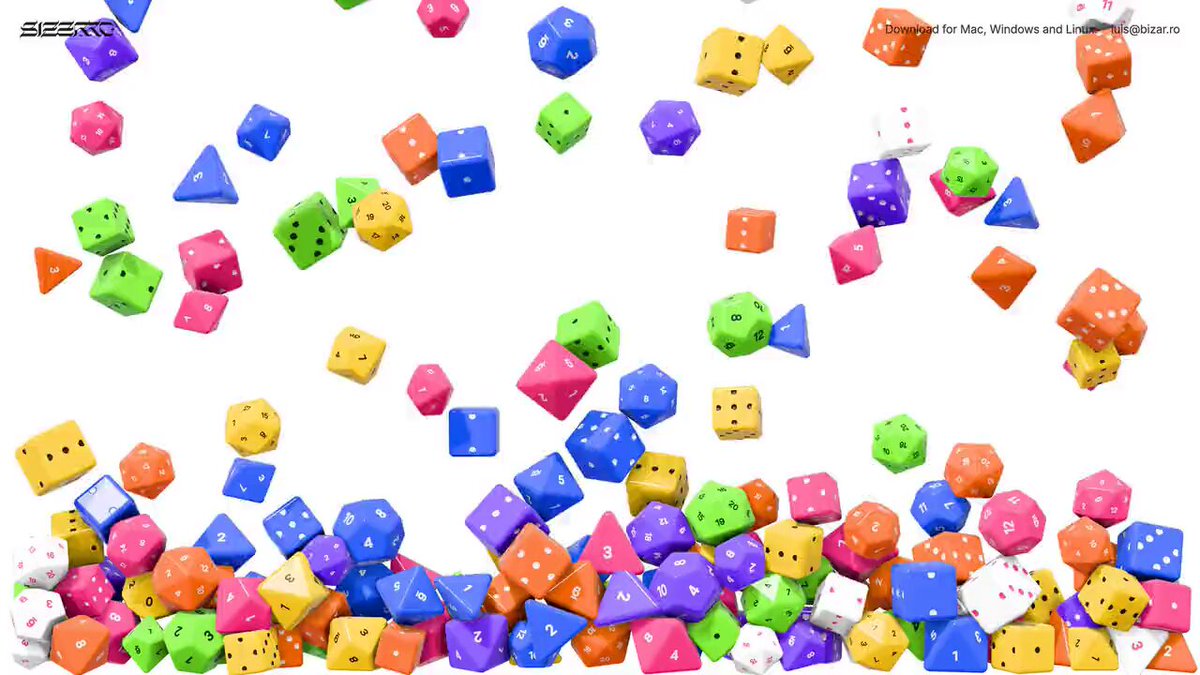
Luis Bizarro builds a GPU rigid-body cube simulation in WebGPU
Creative frontend and graphics engineer Luis Bizarro presents a GPU-driven rigid-body simulation built with WebGPU and WGSL. Focusing on dynamic 3D cube collisions and spatial bin packing, the entire pipeline—broadphase grid acceleration, narrowphase collision detection, and position Verlet integration—runs inside compute shaders, handling hundreds of falling dice with negligible CPU overhead. 💡 **Highlight:** End-to-end compute shader physics demonstrates WebGPU's immense performance advantage for compute-heavy collision dynamics.
More Three.js Shaders
Projects curated around the same time in this topic
 1,569 Likes
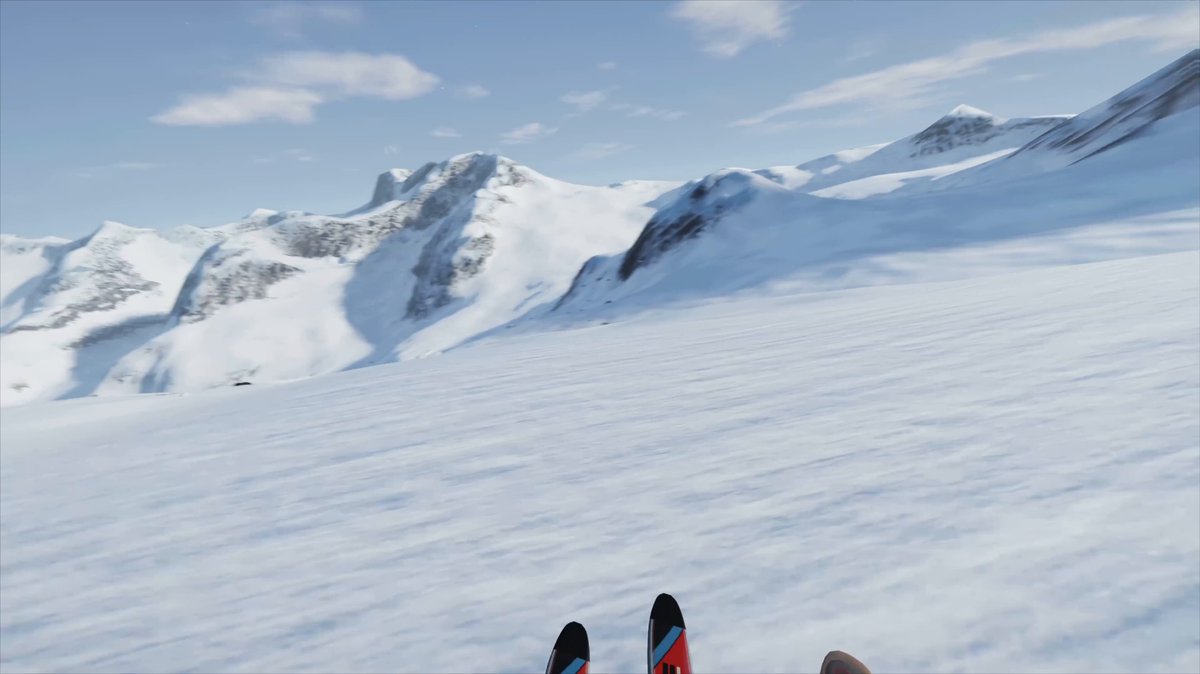
Google DeepMind simulates Mont Blanc skiing terrain with Gemini 4 Neon
Google DeepMind built a real time Mont Blanc ski simulator coded by Gemini 4 Neon in Antigravity. The browser demo computes procedural snow carving physics and avalanche volumetric shaders without pre-made 3D models.
 394 Likes
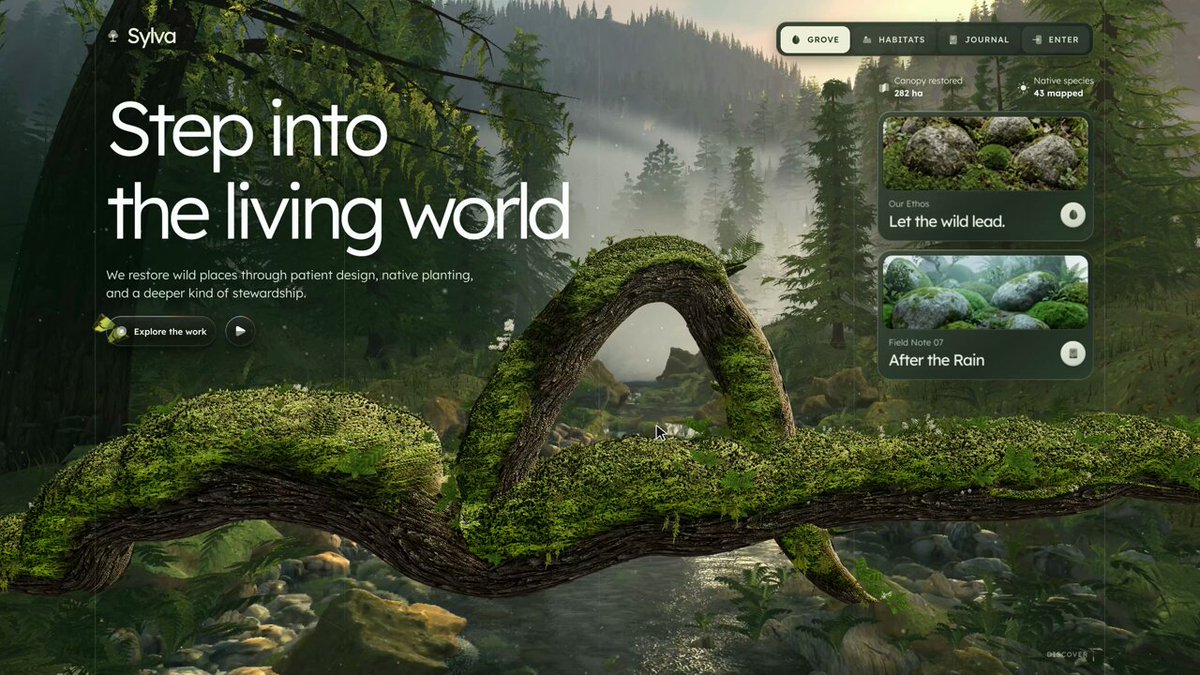
Meng To crafts Sylva Woodland interactive 3D landing page in Three.js
Meng To designed the Sylva Woodland interactive 3D landing page utilizing Three.js and Astra 6.2. The production demo features procedural volumetric fog shaders and dynamic layout transitions across responsive viewports.
 95 Likes
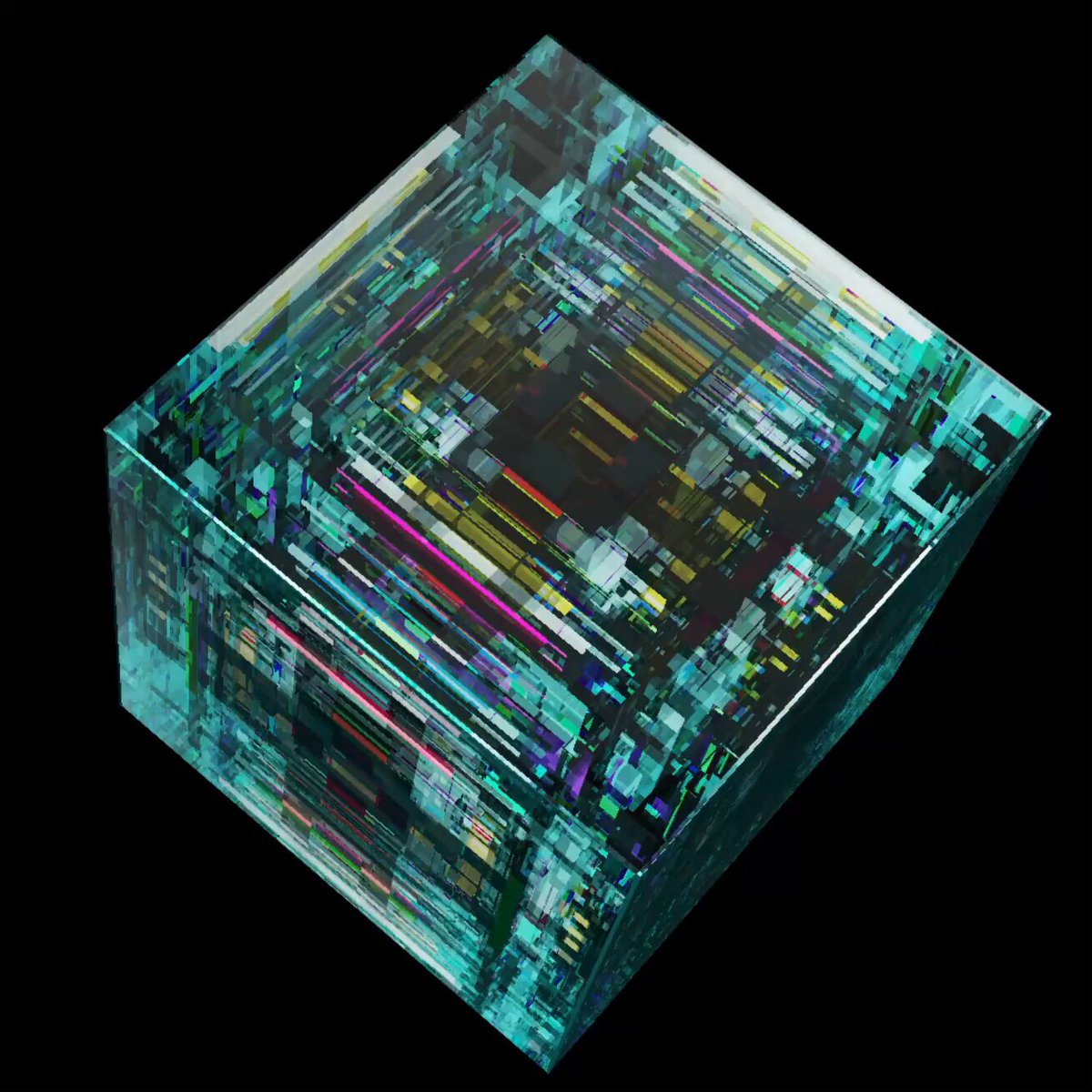
Sabo Sugi renders generative Distilled Cube shaders in Three.js
Sabo Sugi published Distilled Cube as an open source shader artwork created with Three.js on CodePen. The generative cube renders internal chromatic dispersion and fluid optical refractions.
 13 Likes
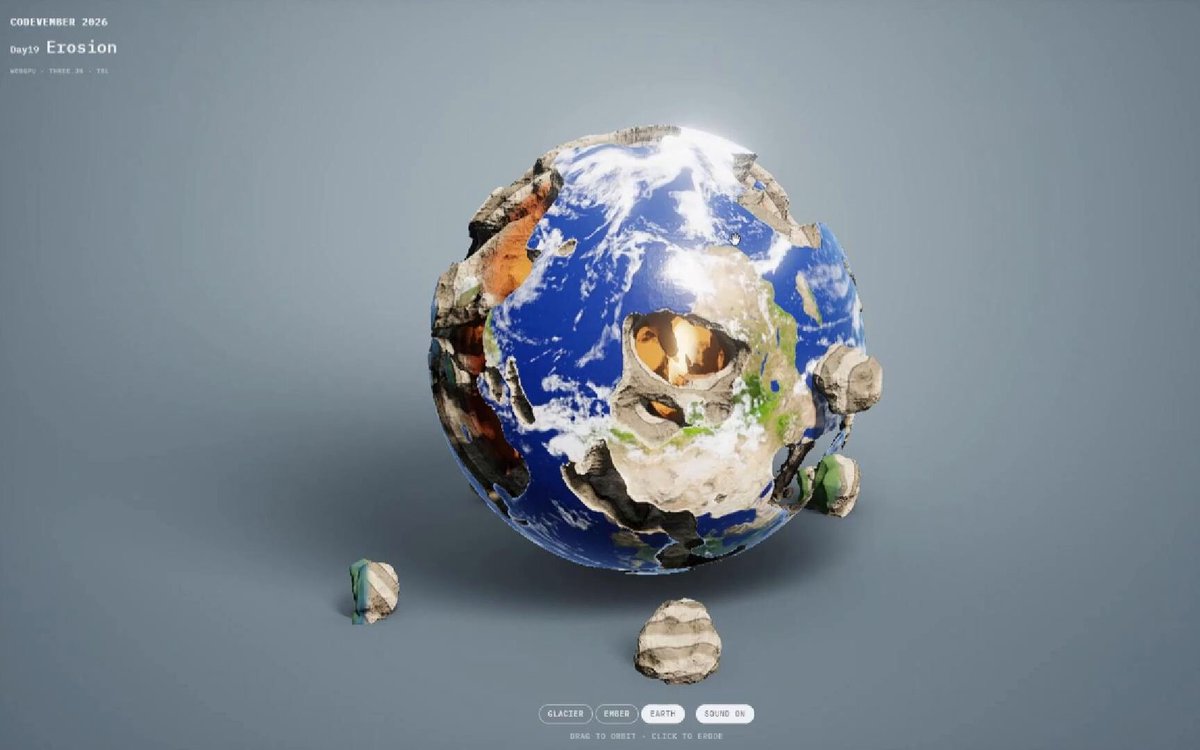
Frank Reitberger renders Codevember Erosion shaders in Three.js
Frank Reitberger published Erosion for Codevember Day 19 using Three.js and custom shaders. The procedural rendering simulates weathering geological rock strata with dynamic particle decay and atmospheric audio.
 87 Likes
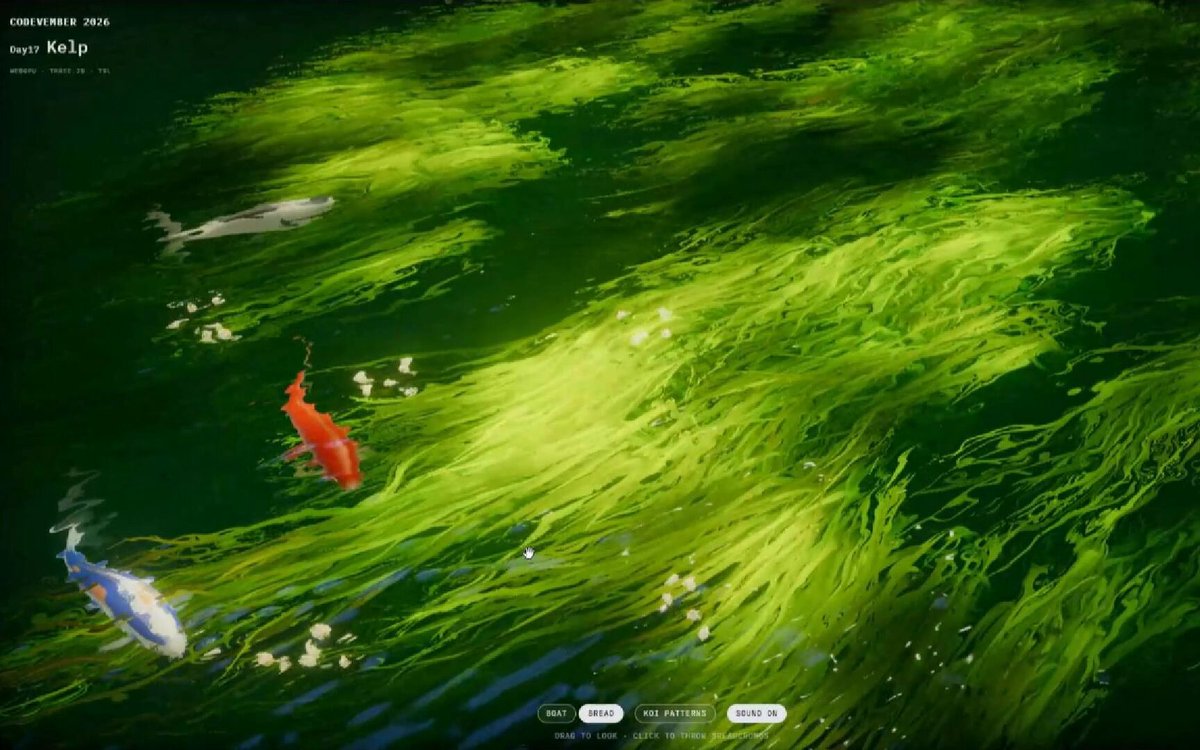
Frank Reitberger simulates an underwater kelp forest in WebGPU
Kelp is Frank Reitberger's Codevember 2026 day 17 piece: koi swim through a swaying underwater kelp forest, with on-screen controls to drag, add patterns and turn the sound on. It is built with Three.js, WebGPU and TSL shaders and runs live in the browser.
 245 Likes
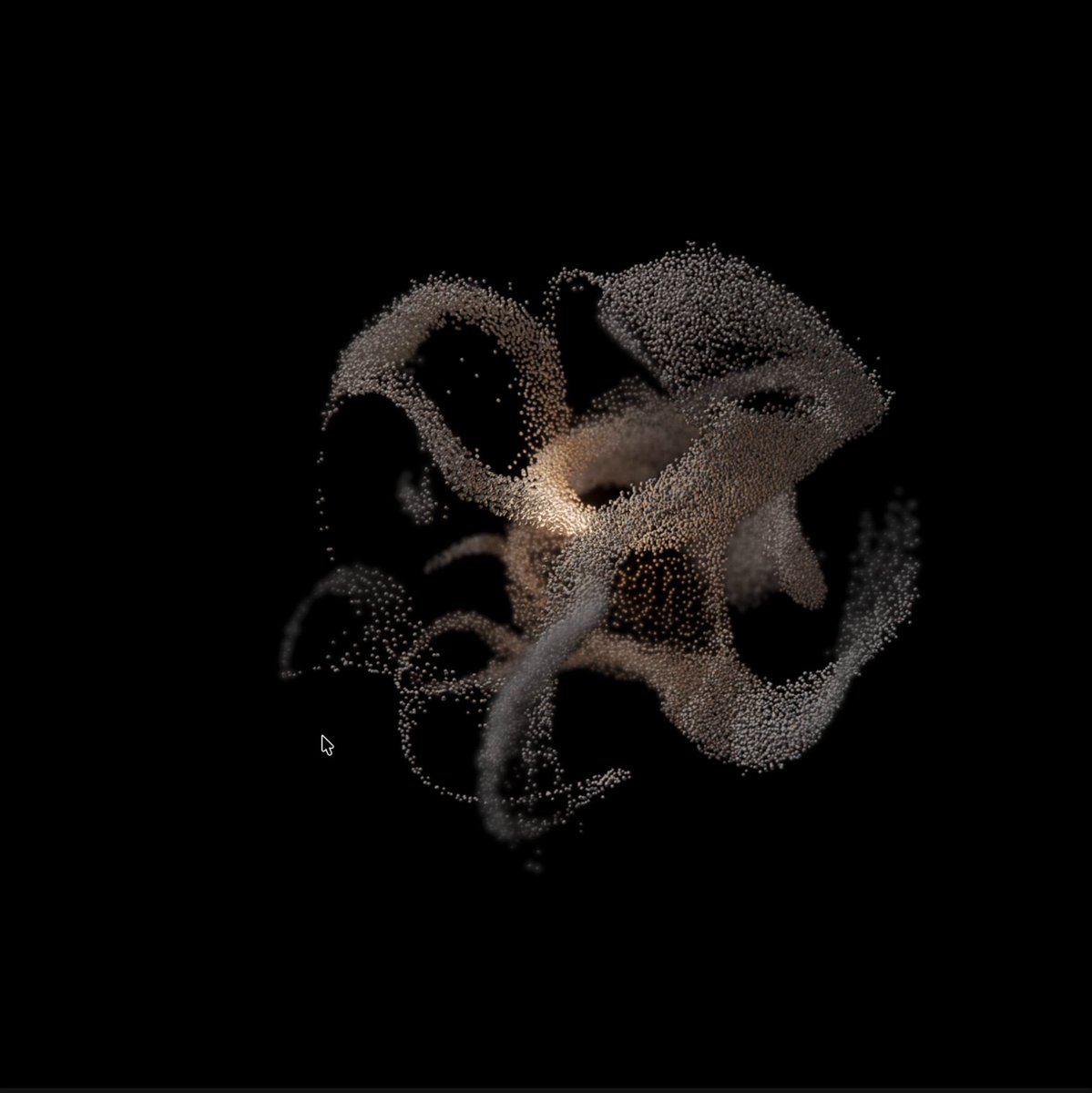
Thomas Cullen created an interactive particle face experiment
Thomas Cullen created an interactive particle face experiment in React Three Fiber powered by WebGPU compute shaders with responsive depth mapping.
 24 Likes
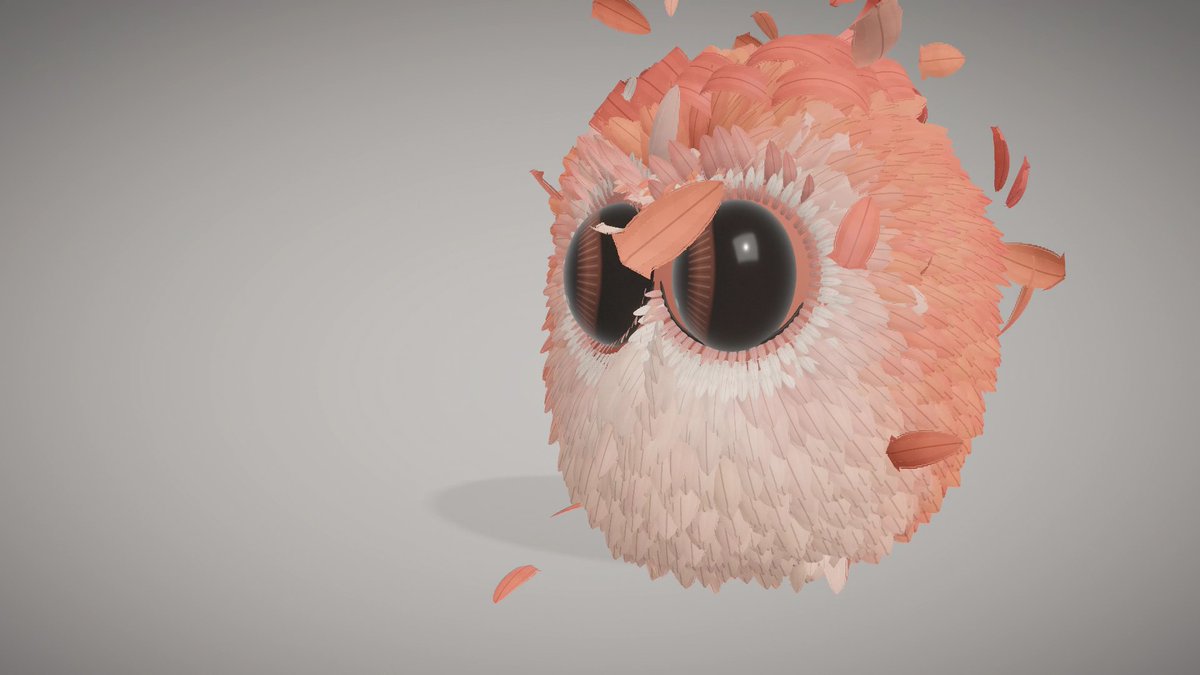
Vipin Pathak released Codevember Day 12 Feather
Vipin Pathak released Codevember Day 12 Feather, simulating delicate procedural barbs and soft specular reflections with Three.js shaders.
 15 Likes
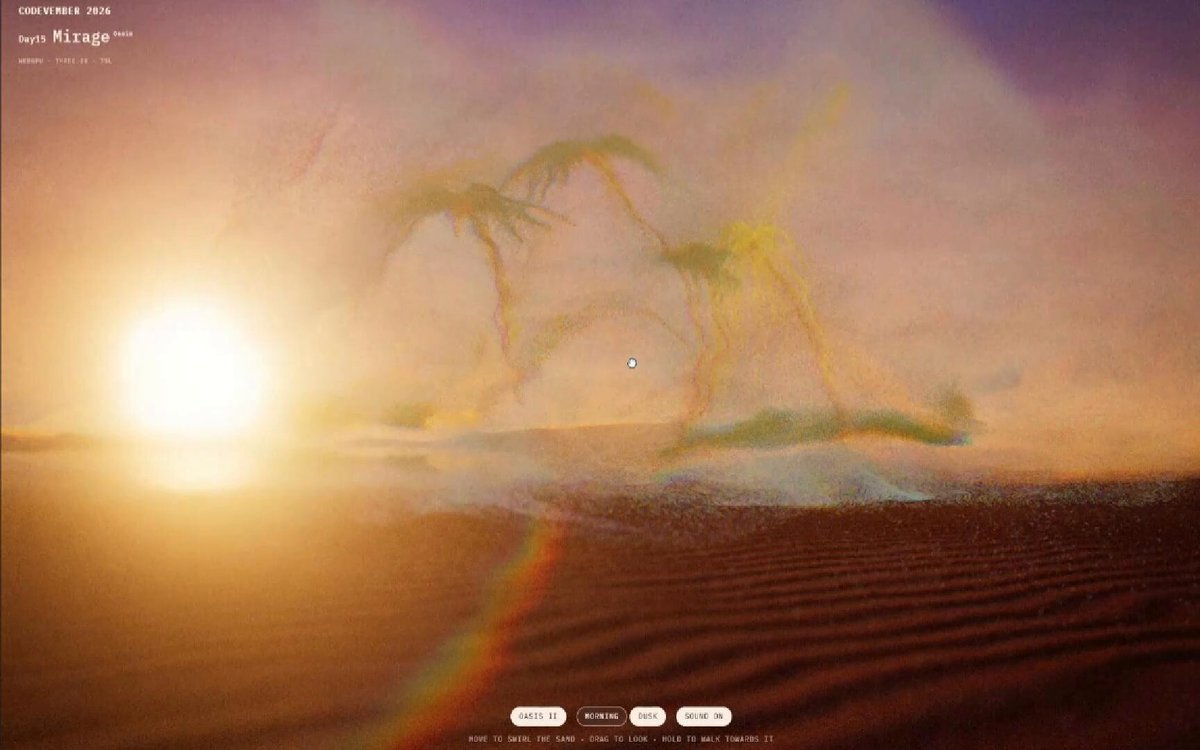
Frank Reitberger built Mirage for Codevember Day 15
Frank Reitberger built Mirage for Codevember Day 15 using Three.js TSL and WebGPU, featuring vibrant procedural light refraction and iridescent shader art.
Related Three.js Examples
More projects that share this one's topics
 16 Likes
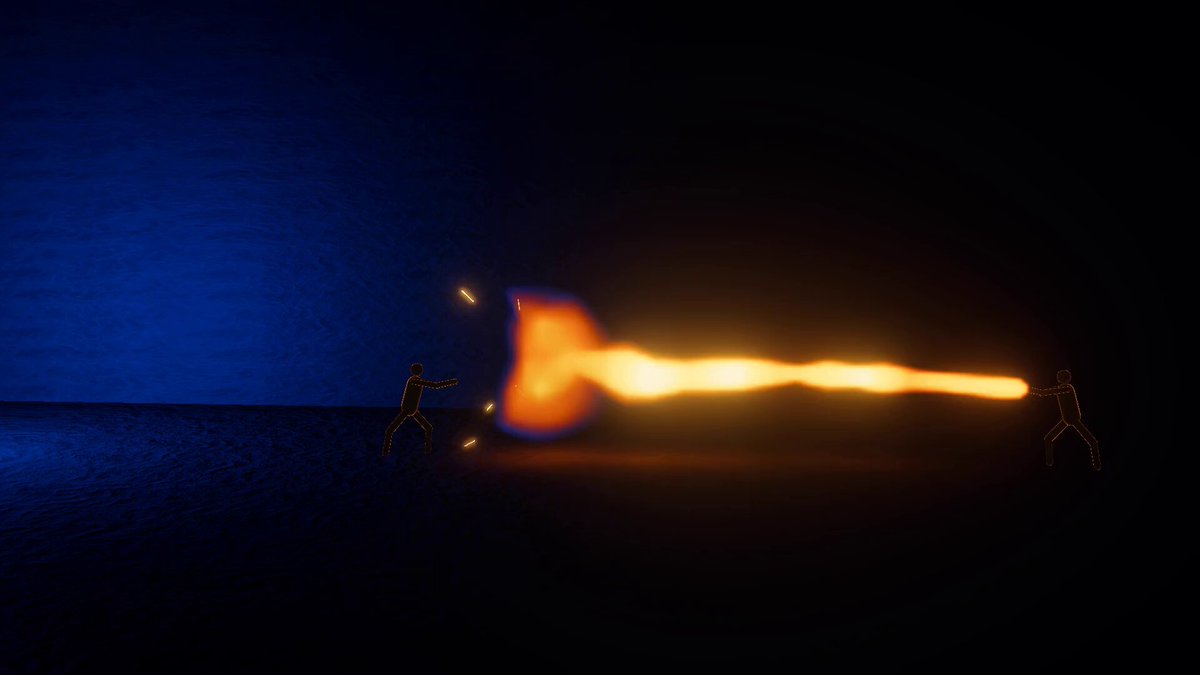
Fastmax remakes a Niagara force field effect in Three.js WebGPU
Fastmax recreated RedefineFX's Unreal Niagara force field effect in Three.js, running live in the browser on WebGPU. A 3D gas solver runs in compute shaders, with raymarched smoke and fire that cools into soot, and the source code is open.
 56 Likes
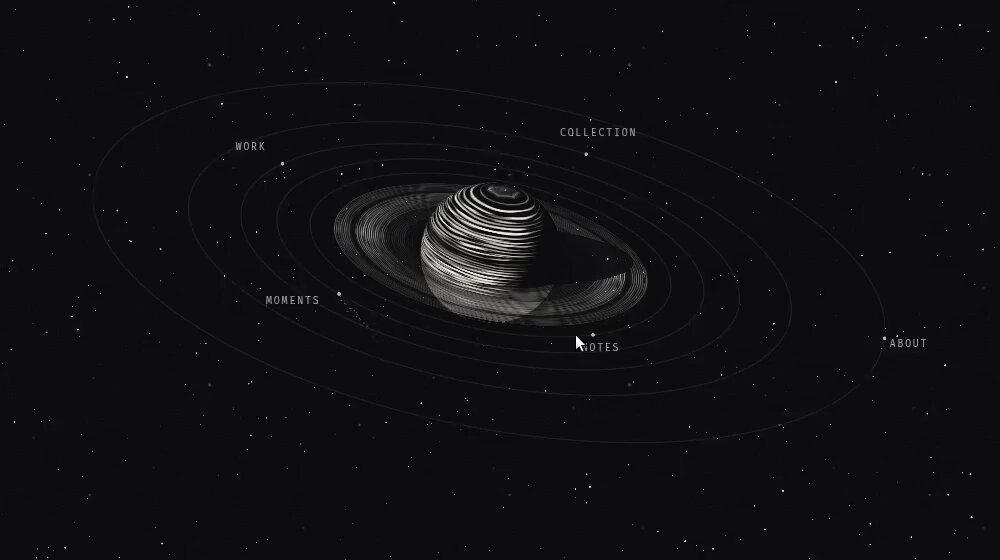
Koimsurai renders HTML text into WebGPU with Chrome's HTML-in-Canvas
Pioneering implementation of Chrome's native HTML-in-Canvas feature by Taiwanese developer Koimsurai, rasterizing DOM text cards directly within a WebGPU canvas. Slashing main-thread CPU usage by 70%, DOM typography now dynamically reacts to gravitational field shaders, warping around celestial rings like tidal cosmic dust. 💡 **Quick Take:** The wall between HTML and WebGPU dissolves: main-thread CPU overhead drops 70% as live web typography seamlessly bends to shader gravitational fields!
 122 Likes
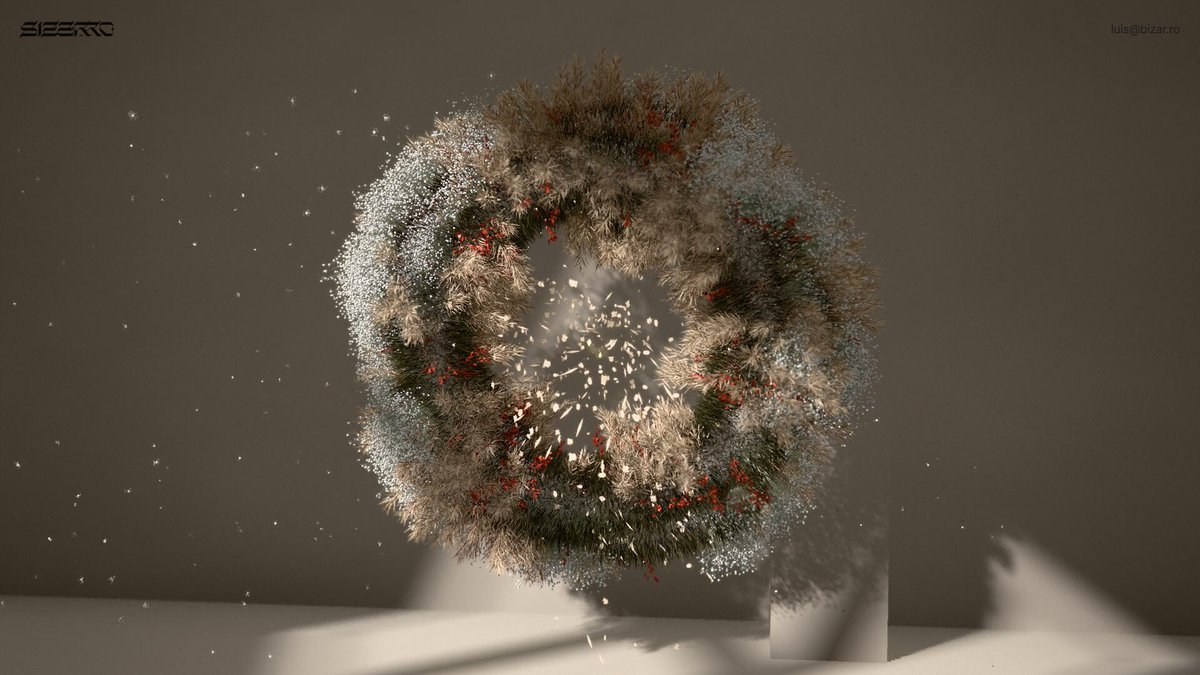
Luis Bizarro's photorealistic nature study in WebGPU and WGSL
Creative coder Luis Bizarro unveils a photorealistic nature rendering study driven by WebGPU and WGSL. Simulating blooming petals, wind-blown grass blades, contact shadows, and suspended airborne dust particles, the native WGSL pipeline captures the golden warmth of an afternoon garden. 💡 **Highlight:** Seamless coordination between WebGPU compute shaders and graphics pipelines simulates thousands of oscillating foliage blades with atmospheric lighting.
 23 Likes
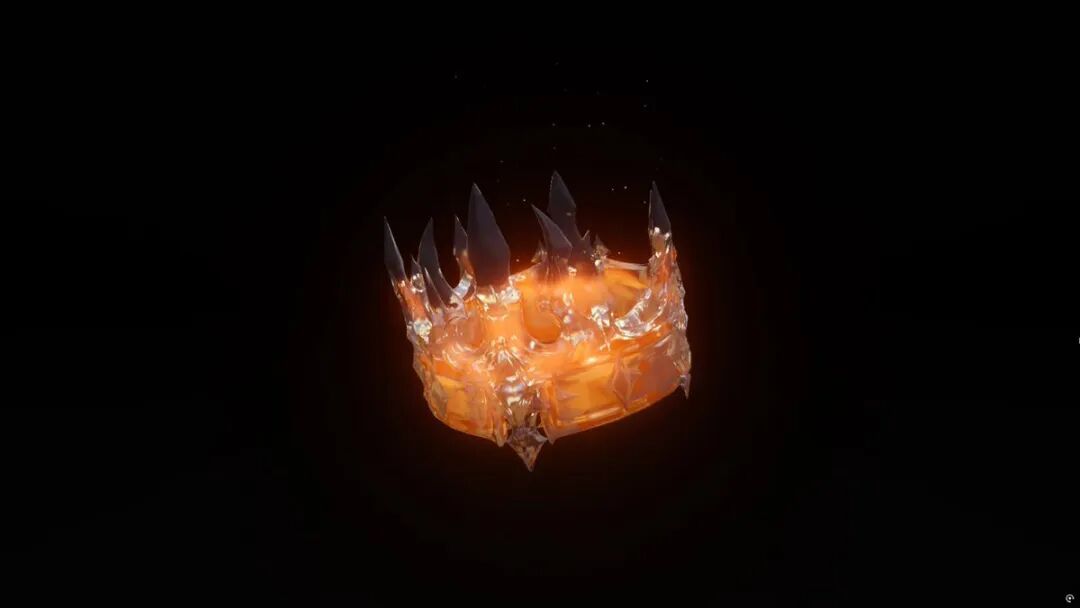
Mike Fernandez's A Crown of Ice and Fire, an SDF shader in WebGPU
- **Overview**: Developer Mike Fernandez unveiled A Crown of Ice and Fire, a shader artwork utilizing three-mesh-bvh to dynamically construct GPU-side signed distance fields (SDF). Coupled with a WebGPU pipeline, it computes physical collision attenuation, chromatic dispersion, and particle scattering between interacting flame and frost halos. - **Highlight**: A visual tour de force of signed distance fields: three-mesh-bvh and WebGPU deliver breathtaking kinetic radiance. - **Project Link**: https://mikefernandez-pro.github.io/a-crown-of-ice-and-fire